Smartphones
Compare models
Differences at a glance
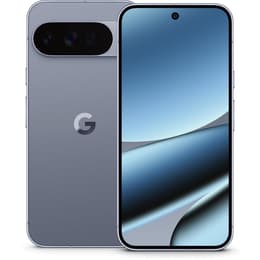
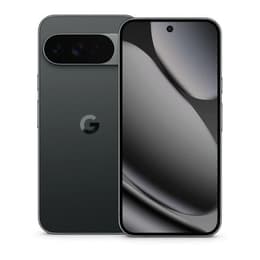
The Google Pixel 10 Pro (2025) and Google Pixel 10 Pro XL (2025) represent Google's top-tier smartphone lineup, sharing the same core hardware, operating system, and camera capabilities. While both devices run on Android 16 and offer identical processing power, they cater to different preferences through their distinct physical footprints. The primary differentiators between the two models are screen dimensions, physical weight, and battery capacity.
Choosing between these two smartphones depends heavily on physical handling preferences and media consumption habits rather than internal power or software features.
Colour
Storage
Both smartphones provide equivalent long-term software backing and structural durability, ensuring a reliable multi-year ownership cycle.
Year of Release
Compatible with latest Update
OS
Foldable
Internal hardware remains identical across both models, delivering the same level of day-to-day speed and multitasking capabilities.
Both handsets utilize high-end display panels with identical peak brightness levels and color accuracy, though scaled to different viewing areas.
Resolution
Photography and video recording suites are identical on both devices, featuring the same high-resolution main, ultra-wide, and telephoto sensors.
Front camera
Physical dimensions and handling characteristics create distinct everyday experiences despite identical connectivity features.
Physical profile: The standard Pro weighs less and slips easily into pockets, whereas the Pro XL adds noticeable weight and bulk to accommodate its larger screen.
Weight
Screen size (in)
Mobile network
SIM card
Carrier compatibility
Connector
User discussions across community forums highlight that the choice between these two devices comes down entirely to ergonomics and battery endurance. Many users praise the standard Google Pixel 10 Pro for its comfortable, single-handed handling and pocket-friendly dimensions. Conversely, frequent criticisms of the compact model center on its shorter battery life during intense workloads, which leads other users to favour the Google Pixel 10 Pro XL for its extended daily stamina and larger viewing workspace.
Users who prioritize comfortable one-handed use and a lightweight everyday carry may prefer the standard Google Pixel 10 Pro, while users prioritizing maximum screen workspace and extended battery endurance will lean toward the Google Pixel 10 Pro XL. For buyers exploring a quality-assured refurbished option, both models offer a sustainable choice that reduces electronic waste without compromising on flagship hardware performance.