
Compare models
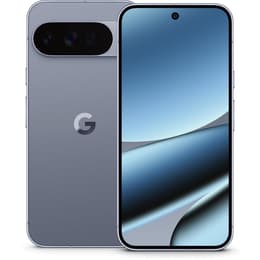
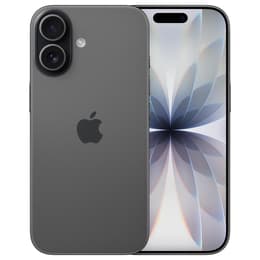
Google Pixel 10 Pro Vs iPhone 17
- 1-year minimum warranty
- Free delivery on all items
- Free 30-day returns
Differences at a glance
The Google Pixel 10 Pro (2025) and the iPhone 17 (2025) represent leading flagship options in the contemporary smartphone market. While both devices offer high-end capabilities in a similar physical size class, they differ significantly in their operating systems, software ecosystems, and hardware integration. Choosing between them depends largely on personal preference for software environments and daily workflow integration.
Available Models
Colour
Storage
Scores
Durability
Both smartphones provide robust long-term utility, though they differ in their software update lifecycles and repair frameworks.
- Software Update Duration: Both manufacturers provide multi-year commitments for operating system updates and security patches, helping maintain device security over several years.
- Repairability and Build Longevity: Both models utilize durable frame construction and reinforced glass screens, while incorporating modular internal components designed to support standardized repair procedures.
- Practical Lifespan: Users can expect extended daily usability from either device, with hardware performance designed to remain capable throughout standard upgrade cycles.
Year of Release
2025
2025
Compatible with latest Update
Yes
Yes
OS
Android
iOS
Foldable
No
No
Performance
System performance and everyday responsiveness vary based on software optimization and hardware configurations.
- Multitasking and Memory Handling: Generous memory allocations on both devices allow demanding applications and multiple browser tabs to remain active in the background without sudden reloading.
- App Responsiveness: Everyday tasks such as web browsing, navigation, and media streaming execute smoothly, with responsive touch tracking and fast application launch times.
- Battery Endurance: Battery capacities support a full day of mixed use under typical conditions, though heavy users engaging in extended gaming or continuous video recording may require a midday recharge.
Screen quality
Display characteristics on both handsets prioritize visual clarity, high peak brightness, and fluid motion handling.
- Display Technology: Both devices utilize advanced OLED panels that produce deep black levels and vibrant color reproduction for media consumption.
- Refresh Rate and Fluidity: Adaptive refresh rates scaling up to high thresholds ensure smooth scrolling through content and responsive animation transitions.
- Outdoor Visibility: High peak luminance capabilities allow screen contents to remain legible under direct sunlight or bright ambient lighting conditions.
Resolution
1280x2856
2622x1206
Screen type
LTPO OLED
Super Retina XDR
Audiovisual
Imaging systems on both models deliver versatile photographic tools suited for everyday memories and detailed recording.
- Camera Array Versatility: Both handsets feature primary and secondary lenses that handle wide-angle landscapes and close-up subjects with reliable clarity.
- Low-Light Photography: Computational processing helps preserve detail and manage noise when capturing images in dimly lit environments.
- Video and Audio Capture: Video recording remains stable and detailed across various lighting scenarios, paired with clear microphone pickup suitable for calls and voice notes.
Front camera
42 megapixels
18 megapixels
Miscellaneous
Physical dimensions and connectivity standards shape the everyday handling and utility of both devices.
- Physical Design and Weight: Balanced weight distribution and ergonomic dimensions allow comfortable one-handed use and pocket storage.
- Connectivity Options: Comprehensive support for modern cellular networks, short-range wireless standards, and fast satellite positioning ensures reliable connectivity.
- Biometric Security: Secure authentication methods, including facial recognition and fingerprint sensing options, provide quick access while protecting personal data.
Weight
207 g
177 g
Screen size (in)
6.3
6.3
Mobile network
5G
5G
SIM card
Physical SIM + eSIM
eSIM
Carrier compatibility
Unlocked
Unlocked
Connector
USB-C
USB-C
What the community thinks
User feedback highlights distinct preferences for each device based on ecosystem integration and personal habits. Owners of the Google Pixel 10 Pro frequently praise its intuitive software features, deep integration of assistant capabilities, and photographic versatility. Conversely, users of the iPhone 17 often highlight smooth system animations, robust build quality, and seamless synergy with other personal computing hardware.
Users prioritizing deep customization, extensive artificial intelligence tools, and flexible file management will find the Google Pixel 10 Pro well-suited to their needs. Meanwhile, users who favor a streamlined software environment, long-term ecosystem consistency, and simplified multimedia sharing may lean toward the iPhone 17. For those seeking an eco-friendly alternative, exploring a quality-assured refurbished option provides a sustainable choice that extends the lifecycle of high-end electronics. Ultimately, the decision rests on which operating environment aligns best with daily digital habits.