Galaxy A23 5G Vs iPhone 11

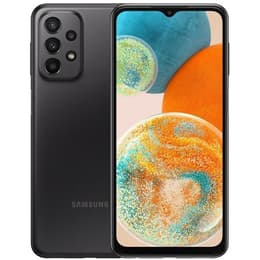
Galaxy A23 5G
Galaxy A23 5G
Starting at

Refurbished price:£100.00

Versus £300.00 new

See options
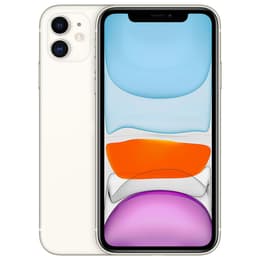
iPhone 11
iPhone 11
Starting at

Refurbished price:£124.00

Versus £489.00 new

See options

Ratings

The Samsung Galaxy A23 5G (2022) and the Apple iPhone 11 (2019) represent two distinct approaches to the modern smartphone experience. While the Galaxy A23 5G is a more recent mid-range device designed to bring modern connectivity to a wider audience, the iPhone 11 remains a popular choice due to its flagship-grade build and the enduring nature of its software ecosystem. These devices cater to different user priorities, ranging from high-speed mobile data and expansive screens to seamless video performance and integrated hardware-software harmony.

The primary differentiators between these two models lie in their network capabilities and their release timelines. The Galaxy A23 5G offers access to the latest high-speed networks, whereas the iPhone 11 is limited to 4G connectivity. Furthermore, the three-year gap between their launch dates influences everything from battery efficiency to the longevity of manufacturer support. This comparison explores how these technical differences translate into daily practical use for students, professionals, and casual users alike.

Scores

Durability

When evaluating how long these devices will remain functional and secure, users must weigh the benefits of a newer mid-range model against an older flagship device.

  • Software Support and Updates: The iPhone 11 was released in 2019 and has enjoyed a long period of consistent software updates, though it is naturally closer to the end of its official support cycle than newer models. Conversely, the Galaxy A23 5G arrived in 2022, providing it with a more modern starting point for security patches and operating system upgrades. Choosing a quality-assured refurbished option for either device ensures that the hardware has been thoroughly checked to meet functional standards, extending the practical lifespan of the technology.
  • Build Quality and Repairability: The iPhone 11 features a glass and aluminium construction that feels substantial in the hand, though the glass components require careful handling to avoid damage. The Galaxy A23 5G utilises a reinforced plastic frame and back, which offers a different kind of resilience against minor drops and impacts. In terms of maintenance, the Galaxy model is often noted for a more straightforward internal layout, which can simplify common repairs like screen or battery replacements compared to the more integrated assembly of the iPhone.

Year of Release

2022

2019

Compatible with latest Update

Yes

Yes

OS

Android

iOS

Foldable

No

No

Performance

Performance is not just about raw speed; it is about how smoothly a device handles multitasking, app loading, and sustained use throughout a busy day.

  • System Responsiveness and Multitasking: The iPhone 11 continues to provide a very fluid user experience, with apps opening quickly and animations remaining smooth thanks to highly optimised software. It handles demanding tasks like photo editing and gaming with consistent stability. The Galaxy A23 5G, while designed for efficiency, manages everyday tasks such as web browsing, social media, and video streaming with ease. While it may not match the peak processing power of a flagship, its modern internals are well-suited for standard productivity and communication apps.
  • Battery Endurance and Charging: The Galaxy A23 5G is equipped with a large battery capacity that is designed to last through a full day of heavy use, including navigation and media consumption. Its power management is tuned for longevity, making it a reliable companion for long commutes. The iPhone 11 has a smaller battery footprint but benefits from efficient power usage; however, heavy users may find themselves reaching for a charger by the early evening. Both devices support fast charging, allowing users to quickly top up their power levels during short breaks.

Memory (GB)

4 GB

4 GB

Screen quality

The display is the primary interface for any smartphone user, and these two models offer very different visual experiences in terms of size and fluidity.

  • Display Fluidity and Refresh Rate: One of the standout features of the Galaxy A23 5G is its high refresh rate, which allows for much smoother scrolling and transitions compared to standard displays. This makes reading long articles or navigating through menus feel more responsive and easier on the eyes. The iPhone 11 uses a standard refresh rate which, while consistent and reliable, does not offer the same level of visual smoothness during fast-paced movement or scrolling.
  • Screen Size and Clarity: The Galaxy A23 5G features a large 6.6-inch display, providing ample space for watching videos or multitasking with split-screen apps. Its resolution ensures that text and images appear sharp and detailed. The iPhone 11 has a more compact 6.1-inch screen, which many users find easier to operate with one hand. While its pixel density is lower than some modern counterparts, the Liquid Retina technology ensures excellent colour accuracy and natural-looking tones, which is particularly beneficial for viewing photos and high-quality video content.

Resolution

1080 x 2408

828 x 1792

Screen type

PLS LCD

Liquid Retina IPS LCD

Audiovisual

For many users, the camera is the most important feature, and both Samsung and Apple have prioritised different aspects of the photographic experience.

  • Photography Versatility: The Galaxy A23 5G features a multi-lens system, including a high-resolution main sensor and dedicated lenses for ultra-wide and macro photography. This variety allows users to capture everything from expansive landscapes to close-up details of small objects in good lighting conditions. The iPhone 11 focuses on a dual-camera setup that prioritises consistency and ease of use. Its main and ultra-wide sensors are known for their excellent dynamic range and natural skin tones, making it a favourite for portraiture and everyday snapshots.
  • Video Quality and Audio Capture: The iPhone 11 is widely regarded for its superior video recording capabilities, offering smooth stabilisation and the ability to record in high resolutions at high frame rates. This makes it an excellent tool for content creators or anyone who frequently records family videos. The Galaxy A23 5G provides reliable video for casual use and social media sharing, though it lacks some of the advanced stabilisation features found in flagship models. Both devices feature capable microphones that clear up voice recordings and ensure clarity during video calls.

Main camera

50 megapixels

12 megapixels

Front camera

8 megapixels

12 megapixels

Miscellaneous

Beyond the core specifications, practical features like connectivity and physical design play a significant role in the overall user experience.

  • Connectivity and Data Speeds: The most significant advantage of the Galaxy A23 5G is its namesake connectivity. It can access 5G networks, which offer significantly faster download and upload speeds in supported areas, as well as lower latency for online activities. The iPhone 11 is limited to 4G LTE, which remains perfectly functional for most tasks but may feel slower when downloading large files or streaming high-definition content in crowded areas.
  • Physical Design and Biometrics: The iPhone 11 uses FaceID for secure unlocking, which many users find intuitive as it works seamlessly when looking at the device. It also lacks a headphone jack, requiring the use of adapters or wireless headphones. The Galaxy A23 5G includes a fingerprint sensor integrated into the power button for quick access and retains a traditional 3.5mm headphone jack, which is a major convenience for users who prefer wired audio equipment. The Samsung is also noticeably larger and heavier, which may influence how it fits in pockets or small bags.

Weight

197 g

194 g

Screen size (in)

6.6

6.1

Mobile network

5G

4G

SIM card

Dual Physical SIM

Physical SIM + eSIM

Carrier compatibility

Unlocked

Unlocked

Connector

USB-C + Jack 3.5mm

Lightning

In summary, the choice between the Galaxy A23 5G and the iPhone 11 depends largely on whether a user prioritises modern network standards or a refined flagship experience. According to user discussions on various tech forums, the Galaxy A23 5G is frequently praised for its impressive battery life and the smoothness of its 120Hz screen, though some users note that its camera performance can dip in low-light environments. The iPhone 11, on the other hand, receives consistent acclaim for its reliable performance and exceptional video quality, even years after its release, though its 4G-only connectivity is increasingly seen as a limitation for those in 5G-ready areas.

Users who prioritise high-speed 5G connectivity, a large screen for media consumption, and the convenience of a headphone jack will likely find the Galaxy A23 5G to be the more suitable choice. Conversely, users who prefer a more compact design, the iOS ecosystem, and superior video recording capabilities may lean toward the iPhone 11. Opting for a quality-assured refurbished option provides a sustainable way to own either of these capable smartphones while ensuring they have been tested for reliability. Ultimately, both devices remain highly functional choices that serve different practical needs in the current mobile landscape.


See all articles

Our recent comparisons