Samsung
Compare models
Differences at a glance
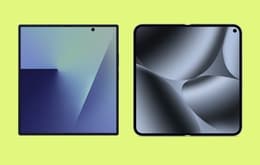
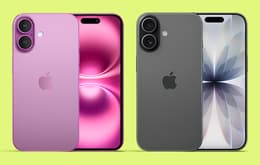
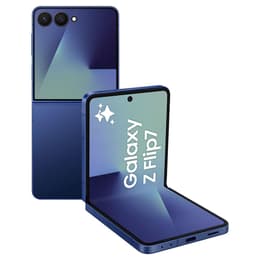
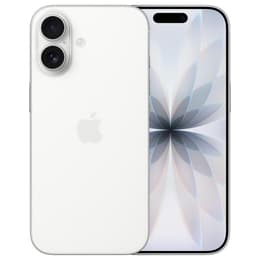
The Samsung Galaxy Z Flip7 (2025) and the iPhone 17 (2025) represent two distinct approaches to modern smartphone design, contrasting a foldable clamshell form factor with a traditional slate layout. While both devices serve daily communication and productivity needs, they differ significantly in construction, operating system, and hardware philosophy. The Galaxy Z Flip7 runs Android with custom software features tailored for dual-screen interaction, whereas the iPhone 17 operates on Apple's iOS platform. Understanding these fundamental design distinctions helps users choose the device that best fits their daily workflow.
Colour
Storage
Both smartphones arrive from the 2025 product generation, providing modern software support structures and long-term hardware durability. Users evaluating structural lifespan will find different physical considerations between a folding screen and a rigid glass slab.
Year of Release
Compatible with latest Update
OS
Foldable
Performance capabilities across both models handle demanding mobile applications, multitasking requirements, and heavy day-to-day use with ease. System fluidity remains high across both platforms, though memory configurations and thermal handling differ.
Visual output represents a major differentiator, contrasting a flexible folding display against a fixed, high-refresh-rate glass panel. Both technologies deliver sharp text rendering and vivid color reproduction for media consumption.
Resolution
Screen type
Imaging hardware on both devices accommodates casual photography, low-light environments, and high-definition video recording. Practical implementation of camera placements differs due to the folding nature of one device.
Main camera
Front camera
Physical dimensions, weight distribution, and connectivity standards dictate how each device fits into pockets, bags, and daily routines. Ergonomics play a major role in the user experience.
Weight
Screen size (in)
Mobile network
SIM card
Carrier compatibility
Connector
User discussions and community feedback highlight distinct preferences for each device style. Owners of the Galaxy Z Flip7 frequently praise its compact footprint when folded and the convenience of the outer display for quick notifications, though some express mindfulness regarding the central screen crease. Conversely, iPhone 17 users frequently highlight system reliability, robust build consistency, and seamless integration within the broader Apple ecosystem, while noting the standard slate shape lacks the pocket-folding novelty. For users seeking an eco-friendly, quality-assured alternative, exploring a quality-assured refurbished option through Back Market provides a sustainable path to acquiring either device.
Users prioritizing a pocket-friendly, folding design with flexible viewing angles may prefer the Galaxy Z Flip7, while users prioritizing a traditional slate layout, facial recognition, and specific ecosystem software will lean toward the iPhone 17. Evaluating these core ergonomic and software differences ensures an informed decision aligned with personal daily habits.