
iPhone 12 Pro Max Vs OnePlus 10 Pro

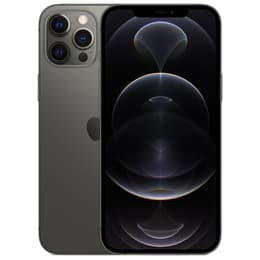
iPhone 12 Pro Max
iPhone 12 Pro Max
Starting at

Refurbished price:£236.00

Versus £979.00 new

See options
OnePlus 10 Pro
OnePlus 10 Pro
Starting at

Refurbished price:£391.00

Versus £769.39 new

See options

Ratings

The iPhone 12 Pro Max, released in late 2020, and the OnePlus 10 Pro, launched in early 2022, represent two different philosophies in the flagship smartphone market. While the iPhone 12 Pro Max serves as a cornerstone of the iOS ecosystem with its large-format design, the OnePlus 10 Pro offers a modern Android experience with a focus on display fluidity and rapid charging capabilities. These devices cater to users who prefer expansive screens but differ significantly in their software environments and release timelines.

The primary distinction between these two handsets lies in their age and operating systems, with the OnePlus 10 Pro arriving nearly a year and a half after the iPhone. This comparison explores how these differences impact daily usability, from software longevity to hardware performance, helping you decide which device aligns with your specific mobile needs.

Scores

Durability

When evaluating how long these devices will remain functional and secure, the release dates and manufacturer update policies play a central role in determining their practical lifespan.

  • Software Support: The iPhone 12 Pro Max benefits from Apple's historically long support cycle, typically receiving major operating system updates for six to seven years from its release. Despite being older, it is expected to remain current with the latest features and security patches for several more years. The OnePlus 10 Pro, while newer, follows a different update schedule that generally provides three years of major Android updates, meaning its software relevancy may conclude around a similar time as the iPhone.
  • Physical Longevity: Both devices are built with high-quality materials like glass and metal, but the iPhone 12 Pro Max features a stainless steel frame which is highly resistant to structural wear. Choosing a quality-assured refurbished option for either model ensures that the hardware has been inspected to meet functional standards, extending the useful life of these premium materials.
  • Repairability: The OnePlus 10 Pro features a more traditional internal layout that some independent technicians find more accessible for common fixes like battery swaps. The iPhone 12 Pro Max is widely supported by repair networks, though certain component replacements require specific calibration to maintain full functionality.

Year of Release

2020

2022

Compatible with latest Update

Yes

Yes

OS

iOS

Android

Foldable

No

No

Performance

Performance in these devices is defined by how smoothly they handle demanding applications and how effectively they manage power throughout a full day of activity.

  • System Responsiveness: The iPhone 12 Pro Max utilizes a highly efficient processor that remains remarkably capable for modern multitasking and high-end gaming. Users will find that apps open quickly and the interface remains fluid even when multiple processes are running in the background. The OnePlus 10 Pro features a newer processor that excels in short-burst tasks and provides a very snappy feel when navigating the interface, though it can generate more heat during sustained heavy use.
  • Battery and Charging: The iPhone 12 Pro Max is known for its conservative power consumption, often lasting through a full day of heavy use on a single charge. In contrast, the OnePlus 10 Pro prioritizes recovery speed, offering significantly faster wired charging that can replenish the battery in a fraction of the time required by the iPhone, which is a major benefit for users who are frequently on the move.
  • Multitasking Capacity: Both devices offer ample memory to keep several apps active at once. The OnePlus 10 Pro generally includes more raw memory, which helps with keeping many browser tabs or background apps open, while the iPhone relies on tight software integration to achieve similar levels of stability and speed.

Memory (GB)

6 GB

8 GB

Screen quality

The viewing experience on these smartphones is shaped by different display technologies that prioritize either color accuracy or motion smoothness.

  • Display Technology: The OnePlus 10 Pro features an advanced screen with an adaptive refresh rate, allowing it to reach 120Hz for incredibly smooth scrolling and animations. This technology also allows the screen to slow down when viewing static content to preserve battery life. The iPhone 12 Pro Max uses a high-quality OLED panel that provides deep blacks and excellent contrast, but it is limited to a standard 60Hz refresh rate, which may feel less fluid to users accustomed to high-motion displays.
  • Clarity and Brightness: Both screens are large at 6.7 inches, making them ideal for media consumption. The OnePlus 10 Pro offers a higher pixel density, resulting in slightly sharper text and fine details. However, the iPhone 12 Pro Max provides very high peak brightness levels that ensure the screen remains easily readable even when used outdoors under direct sunlight.
  • Visual Comfort: The iPhone features technology that adjusts the white balance of the display to match the ambient lighting in the room, making the screen more comfortable for long reading sessions. The OnePlus 10 Pro offers extensive manual calibration settings, allowing users to fine-tune the color temperature and saturation to their personal preference.

Resolution

1284 x 2778

1440 x 3216

Screen type

Super Retina XDR OLED

LTPO2 Fluid AMOLED

Audiovisual

Photography and video capabilities on these devices reflect different approaches to image processing and hardware configuration.

  • Image Quality: The iPhone 12 Pro Max is celebrated for its natural color reproduction and consistent performance across its three lenses. It excels in capturing realistic skin tones and balanced exposures in various lighting conditions. The OnePlus 10 Pro, developed in partnership with camera experts, offers a distinct color profile that often produces more vibrant and stylised images, which many users find appealing for social media sharing without additional editing.
  • Video Performance: For users who record a lot of video, the iPhone 12 Pro Max remains a strong choice due to its excellent stabilization and high dynamic range recording. It produces smooth, professional-looking footage even when the user is moving. The OnePlus 10 Pro supports high-resolution video recording and offers a variety of creative modes, though its stabilization is generally considered slightly less consistent than the iPhone's.
  • Low-Light Capability: The iPhone 12 Pro Max includes a specialized sensor that helps with focusing in the dark, leading to faster and more accurate night-time photography. The OnePlus 10 Pro uses a large main sensor to pull in significant light, producing bright and clear images in dim environments, though it may occasionally struggle with fine detail in the shadows compared to the iPhone.

Main camera

12 megapixels

48 megapixels

Front camera

12 megapixels

32 megapixels

Miscellaneous

Beyond the core specifications, several practical features influence how these devices fit into a user's daily routine and physical handling.

  • Biometrics and Security: The iPhone 12 Pro Max relies on sophisticated facial recognition for unlocking the device and authorizing payments, which is highly secure and works well in most lighting. The OnePlus 10 Pro uses an optical fingerprint sensor located under the display, providing a quick and familiar way to access the phone that some users prefer over facial scanning.
  • Connectivity and Ports: Both smartphones support 5G for fast mobile data and include modern Wi-Fi and Bluetooth standards. A key difference is the physical port; the iPhone uses the proprietary Lightning connector, while the OnePlus 10 Pro uses the more universal USB-C port, which is compatible with a wider range of modern laptops and accessories.
  • Design and Ergonomics: The iPhone 12 Pro Max has a flat-edge design that provides a secure grip but can feel quite large in smaller hands due to its width and weight. The OnePlus 10 Pro features curved edges on the front and back, making it feel slightly narrower and more comfortable to hold for extended periods, though the curved screen can occasionally lead to accidental touches.

Weight

226 g

201 g

Screen size (in)

6.7

6.7

Mobile network

5G

5G

SIM card

Physical SIM + eSIM

Physical SIM

Carrier compatibility

Unlocked

Unlocked

Connector

Lightning

USB-C

Choosing between the iPhone 12 Pro Max and the OnePlus 10 Pro often comes down to a preference for software ecosystems and specific hardware priorities. Based on user feedback from various tech communities, the iPhone 12 Pro Max is frequently praised for its exceptional battery consistency, video quality, and the reliability of the iOS experience. Some users, however, find its 60Hz screen and slower charging speeds to be dated compared to more recent arrivals. The OnePlus 10 Pro receives high marks for its incredibly smooth 120Hz display and its ability to charge from empty to full in under an hour, though some users note that its software updates can be less frequent than those provided by Apple.

Users who prioritize long-term software support, professional-grade video recording, and a flat, sturdy design will likely find the iPhone 12 Pro Max to be the better fit for their needs. Conversely, those who value a more modern display with fluid animations, rapid charging, and the flexibility of the Android operating system may lean toward the OnePlus 10 Pro. For those looking to make a sustainable choice, opting for a quality-assured refurbished version of either device is an excellent way to access flagship technology while reducing environmental impact. Ultimately, both devices remain highly capable in 2026, offering large-screen experiences that satisfy both productivity and entertainment requirements without compromise.

See all articles

Our recent comparisons