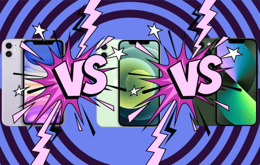
iPhone 11 Vs iPhone 12 Pro Max

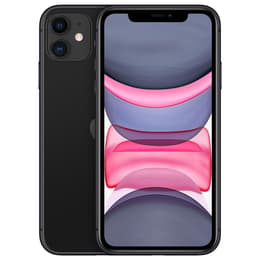
iPhone 11
iPhone 11
Starting at

Refurbished price:£123.00

Versus £489.00 new

See options
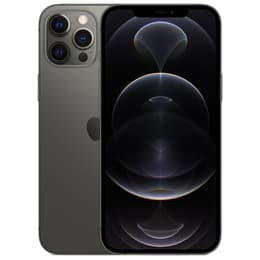
iPhone 12 Pro Max
iPhone 12 Pro Max
Starting at

Refurbished price:£238.00

Versus £979.00 new

See options

Ratings

The iPhone 11, released in 2019, and the iPhone 12 Pro Max, launched in 2020, represent two different tiers within Apple’s smartphone ecosystem. While the iPhone 11 serves as a standard flagship model, the iPhone 12 Pro Max was designed as the most advanced offering of its generation. The primary differences lie in their physical size, display technology, and mobile network compatibility. Both devices continue to support the latest iOS versions, ensuring a consistent software experience across both generations.

Scores

Durability

The iPhone 12 Pro Max offers a more modern build and longer software support window compared to the iPhone 11.

  • Software Longevity: Since the iPhone 12 Pro Max was released a year after the iPhone 11, it is expected to receive official software updates for at least one additional year. This makes it a more viable long-term option for users who want to maintain access to the latest security features and application compatibility.
  • Physical Resilience: The iPhone 12 Pro Max introduced a Ceramic Shield front cover, which provides significantly better drop protection than the glass used on the iPhone 11. Additionally, the 12 Pro Max features a stainless steel frame, whereas the iPhone 11 uses aluminium, offering a different level of structural rigidity.
  • Maintenance and Repair: Both devices are widely supported by repair services, though the iPhone 12 Pro Max's more complex internal layout and 5G components can make certain repairs more involved. Choosing a quality-assured refurbished option for either model ensures that the device has been thoroughly tested for structural integrity and functional reliability.

Year of Release

2019

2020

Compatible with latest Update

Yes

Yes

OS

iOS

iOS

Foldable

No

No

Performance

While both phones handle daily tasks with ease, the iPhone 12 Pro Max provides more headroom for demanding activities and multitasking.

  • System Responsiveness: The iPhone 12 Pro Max features a more advanced processor that handles intensive applications, such as high-definition video editing or complex mobile games, with greater efficiency than the iPhone 11. Users will notice slightly faster app loading times and smoother transitions when switching between multiple open programmes.
  • Battery Endurance: Due to its larger physical footprint, the iPhone 12 Pro Max houses a significantly larger battery. In real-world usage, this translates to several more hours of screen time, making it better suited for users who are away from a charger for extended periods. The iPhone 11 remains reliable for a full day of moderate use but may require a top-up during heavy activity.
  • Memory and Storage: The iPhone 12 Pro Max comes with higher base storage and more internal memory (RAM). This extra memory allows the device to keep more apps open in the background without needing to refresh them, which is a distinct advantage for professional workflows.

Memory (GB)

4 GB

6 GB

Screen quality

The viewing experience is one of the most significant points of divergence between these two smartphones.

  • Display Technology: The iPhone 11 uses a Liquid Retina LCD, which provides natural colours and reliable performance. In contrast, the iPhone 12 Pro Max features a Super Retina XDR OLED display. This OLED technology allows for deep blacks and a much higher contrast ratio, as each pixel can be turned off individually, whereas the LCD requires a backlight.
  • Size and Clarity: With a 6.7-inch screen, the iPhone 12 Pro Max offers a much larger canvas for media consumption compared to the 6.1-inch iPhone 11. The 12 Pro Max also has a higher pixel density, resulting in sharper text and finer detail when viewing high-resolution photographs or streaming 4K content.
  • Outdoor Visibility: The iPhone 12 Pro Max can reach higher peak brightness levels than the iPhone 11. This makes the screen significantly easier to read when used directly under bright sunlight, reducing glare and eye strain for outdoor users.

Resolution

828 x 1792

1284 x 2778

Screen type

Liquid Retina IPS LCD

Super Retina XDR OLED

Audiovisual

Photography and video capabilities are significantly more advanced on the Pro Max model, though the standard 11 remains capable for casual use.

  • Camera Versatility: The iPhone 11 features a dual-camera system with Wide and Ultra Wide lenses. The iPhone 12 Pro Max adds a third Telephoto lens, allowing for optical zoom without losing image quality. It also includes a LiDAR scanner, which assists with autofocus in low-light conditions and enables more accurate depth sensing for portrait photography.
  • Low-Light Performance: While both devices support Night Mode, the iPhone 12 Pro Max features a larger primary sensor that captures more light. This results in clearer, less grainy images when taking photos in dimly lit environments. Furthermore, the 12 Pro Max can use Night Mode on all of its lenses, including the front-facing camera.
  • Video and Audio: The iPhone 12 Pro Max supports Dolby Vision HDR video recording, providing a wider range of colours and highlights in filmed content. Both devices offer spatial audio playback and stereo recording, but the 12 Pro Max provides a slightly fuller sound profile due to its larger internal chassis.

Main camera

12 megapixels

12 megapixels

Front camera

12 megapixels

12 megapixels

Miscellaneous

Beyond the core specifications, the physical design and connectivity options mark a clear generational shift between these two models.

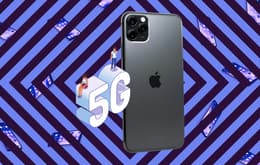
  • Network Connectivity: A major differentiator is that the iPhone 12 Pro Max supports 5G networks, whereas the iPhone 11 is limited to 4G LTE. For users in areas with 5G coverage, the 12 Pro Max offers significantly faster download and upload speeds, which is a key factor for future-proofing.
  • Design and Handling: The iPhone 11 features rounded edges that many users find comfortable for one-handed use. The iPhone 12 Pro Max moved to a flat-edge design and is considerably heavier and wider. This makes the 12 Pro Max more challenging to use with one hand but provides a more substantial feel.
  • Charging and Accessories: The iPhone 12 Pro Max introduced MagSafe, a magnetic system on the back of the phone that allows for easy attachment of wireless chargers and accessories. The iPhone 11 supports standard Qi wireless charging but lacks the magnetic alignment and ecosystem of MagSafe-specific tools.

Weight

194 g

226 g

Width

7,57 cm

7,81 cm

Height

15,09 cm

16,08 cm

Depth

0,83 cm

0,74 cm

Screen size (in)

6.1

6.7

Mobile network

4G

5G

SIM card

Physical SIM + eSIM

Physical SIM + eSIM

Carrier compatibility

Unlocked

Unlocked

Connector

Lightning

Lightning

User feedback for the iPhone 11 often highlights its comfortable ergonomics and reliable performance for everyday tasks like social media and web browsing. It is frequently cited as a practical choice for those who prefer a more compact device that still feels modern. Conversely, the iPhone 12 Pro Max receives praise for its expansive display and exceptional battery life, though some users find its large size and weight to be a drawback for portability. Consensus among long-term users suggests that while the iPhone 11 remains a functional and capable device, the iPhone 12 Pro Max offers a more comprehensive multimedia experience.

Users who prioritise a lightweight design and comfortable one-handed operation may find the iPhone 11 better suited to their daily needs. It remains a solid choice for standard smartphone activities without the bulk of a larger handset. On the other hand, users who frequently watch videos, play games, or require advanced photography tools will likely prefer the iPhone 12 Pro Max. Its 5G capabilities and larger screen make it a more robust option for those looking to keep their device for several years. Opting for a sustainable choice through a refurbished model allows users to access these features while contributing to a more circular electronics economy. Ultimately, the decision rests on whether the user values portability and simplicity or screen size and advanced camera features.


See all articles

Our recent comparisons