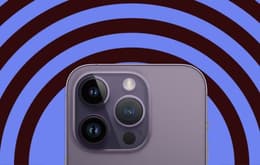
Google Pixel 8 Vs iPhone 14 Pro Max

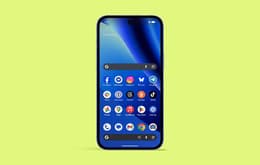
Google Pixel 8
Google Pixel 8
Starting at

Refurbished price:£189.00

Versus £699.99 new

See options
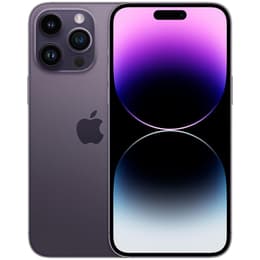
iPhone 14 Pro Max
iPhone 14 Pro Max
Starting at

Refurbished price:£325.00

Versus £1,199.00 new

See options

Ratings

The Google Pixel 8 (2023) and the iPhone 14 Pro Max (2022) represent two distinct approaches to the modern smartphone experience. While the Pixel 8 focuses on a compact form factor and deeply integrated software features, the iPhone 14 Pro Max offers a larger viewing area and a robust ecosystem. Both devices run on their respective latest operating systems—Android and iOS—providing users with different interfaces and app ecosystems. Choosing between them often comes down to a preference for size, software flexibility, and specific hardware features.

Scores

Durability

The Pixel 8 and iPhone 14 Pro Max offer different long-term support timelines and physical builds that impact their overall longevity and daily resilience.

  • Software Support: The Pixel 8 is notable for its commitment to seven years of security and operating system updates, potentially extending its functional life well into the next decade.
  • Build Quality: The iPhone 14 Pro Max features a stainless steel frame and Ceramic Shield glass, while the Pixel 8 uses a durable aluminium frame and high-strength glass to resist daily wear and tear.
  • Repairability: The Pixel 8 has been designed with improved internal access for repairs, whereas the iPhone 14 Pro Max follows a more complex internal structure that typically requires professional assistance for component replacements.

Year of Release

2023

2022

Compatible with latest Update

Yes

Yes

OS

Android

iOS

Foldable

No

No

Performance

While both smartphones handle daily tasks with ease, they manage power and multitasking in ways that suit different user habits and workloads.

  • System Responsiveness: The Pixel 8 excels in smooth navigation and smart features like real-time translation and call screening, making it feel highly intuitive for everyday interactions and quick tasks.
  • Multitasking and Gaming: The iPhone 14 Pro Max is built for heavy workloads, allowing users to switch between demanding apps or play high-end games without noticeable slowdowns or heat issues during extended sessions.
  • Battery Behaviour: The iPhone 14 Pro Max features a larger battery capacity that often lasts through a full day of intensive use, while the Pixel 8 offers efficient power management for its more compact size.

Memory (GB)

8 GB

6 GB

Screen quality

The display experience is one of the most significant differences between these two models, primarily due to their physical dimensions and screen technology.

  • Display Technology: Both phones use OLED technology, which provides deep blacks and vibrant colours, but the iPhone 14 Pro Max features a much larger 6.7-inch screen compared to the Pixel 8's 6.2-inch display.
  • Smoothness and Brightness: Each device supports a high refresh rate of up to 120Hz, ensuring that scrolling through social media or menus feels fluid and responsive even under bright outdoor conditions.
  • Viewing Experience: The iPhone's Dynamic Island at the top of the screen offers a different interactive element for notifications, while the Pixel 8 maintains a traditional small camera cutout for an unobstructed view.

Resolution

1080 x 2400

1290 x 2796

Screen type

OLED

LTPO Super Retina XDR OLED

Audiovisual

Photography and media consumption are central to both devices, though their hardware configurations offer different creative possibilities for users.

  • Camera Versatility: The iPhone 14 Pro Max includes a dedicated telephoto lens for optical zooming, whereas the Pixel 8 relies on a dual-lens system combined with software processing for zoomed shots.
  • Image Processing: The Pixel 8 is known for its natural skin tones and advanced editing tools that can remove unwanted objects from photos, while the iPhone focuses on consistent video quality and realistic colour reproduction.
  • Audio and Microphones: Both devices feature stereo speakers that provide clear audio, and they use multiple microphones to isolate voices and reduce background noise during calls or video recordings.

Main camera

50 megapixels

48 megapixels

Front camera

10.5 megapixels

12 megapixels

Miscellaneous

Practical hardware differences like ports and biometric security play a large role in the daily user experience and how the devices connect to other tools.

  • Connectivity and Ports: The Pixel 8 uses a universal USB-C port for charging and data transfer, while the iPhone 14 Pro Max uses the proprietary Lightning port, which may require specific cables.
  • Biometric Security: The iPhone relies on facial recognition for unlocking and payments, whereas the Pixel 8 offers both a fingerprint sensor under the screen and facial recognition for added convenience.
  • Size and Weight: The Pixel 8 is significantly lighter and easier to use with one hand, while the iPhone 14 Pro Max is a substantial device that may require two hands for comfortable operation.

Weight

187 g

120 g

Screen size (in)

6.2

6.7

Mobile network

5G

5G

SIM card

Physical SIM + eSIM

Physical SIM + eSIM

Carrier compatibility

Unlocked

Unlocked

User feedback from various forums highlights the distinct strengths of each device. The Google Pixel 8 is frequently praised for its manageable size and the intelligence of its software features, though some users note it can get warm during intensive tasks. The iPhone 14 Pro Max receives consistent acclaim for its long-lasting battery life and the reliability of its video recording, though its weight is a common point of discussion for those moving from smaller phones.

Users who prioritise a compact, smart, and long-supported Android experience will find the Pixel 8 fits their needs perfectly. Conversely, those who prefer a large screen for media, a dedicated zoom lens, and the familiarity of the iOS ecosystem will likely lean toward the iPhone 14 Pro Max. For those looking to make a sustainable choice, opting for a quality-assured refurbished option is a practical way to access these high-end features while reducing environmental impact. Ultimately, both smartphones offer a premium experience, and the decision rests on whether you value portability and software cleverness or a large-screen powerhouse. Choosing a sustainable choice like a refurbished device ensures you get a thoroughly tested product that performs like new.


See all articles

Our recent comparisons