
Google Pixel 9 Vs iPhone 13 Pro Max

Google Pixel 9
Google Pixel 9
Starting at

Refurbished price:£327.25

Versus £890.22 new

See options
iPhone 13 Pro Max
iPhone 13 Pro Max
Starting at

Refurbished price:£272.00

Versus £1,259.00 new

See options

Ratings

The Google Pixel 9, released in 2024, and the iPhone 13 Pro Max, launched in 2021, represent two different eras of flagship smartphone technology. While the Pixel 9 is a modern standard-sized device focusing on integrated intelligence and recent hardware advancements, the iPhone 13 Pro Max remains a large-format powerhouse known for its substantial battery life and professional-grade video capabilities. These devices operate on distinct ecosystems, with the Pixel 9 running the latest version of Android and the iPhone 13 Pro Max utilising Apple's iOS.

Choosing between these two involves weighing the benefits of a newer, more compact device against a slightly older but larger and more feature-rich professional model. The Pixel 9 introduces a fresh design language and long-term software commitments, whereas the iPhone 13 Pro Max offers a expansive screen and a dedicated telephoto lens that the standard Pixel model lacks. This comparison explores how these differences impact daily usage for various types of users.

Scores

Durability

When evaluating how long these devices will remain functional and relevant, the primary factors are software support timelines and the physical ease of maintaining the hardware over several years.

  • Software Longevity: The Google Pixel 9 comes with a commitment for seven years of operating system and security updates, potentially keeping the device current until 2031. In contrast, the iPhone 13 Pro Max, being an older model, has already used several years of its expected update cycle, though Apple typically provides support for six to seven years from the original release date.
  • Repairability and Maintenance: Both manufacturers have made strides in making parts more accessible. Google partners with independent repair specialists to provide genuine components, while Apple offers a self-service repair programme for the iPhone 13 series. Choosing a quality-assured refurbished option can extend the life of these durable devices while supporting environmental goals.
  • Build Durability: The Pixel 9 features modern glass and metal construction designed to resist scratches and drops, while the iPhone 13 Pro Max uses a stainless steel frame which is notably heavy but highly resistant to structural bending and impacts.

Year of Release

2024

2021

Compatible with latest Update

Yes

Yes

OS

Android

iOS

Foldable

No

No

Performance

Performance in these handsets is defined by how smoothly they handle multitasking, demanding applications, and long-term system responsiveness without overheating or lagging.

  • Daily Responsiveness: The Pixel 9 utilises a modern processor designed specifically to handle complex background tasks and integrated machine learning features, resulting in a very fluid user interface and quick app launches. The iPhone 13 Pro Max, despite its age, remains remarkably fast due to its highly efficient internal architecture, which continues to run the latest apps and games with ease.
  • Multitasking and Memory: With a generous amount of memory, the Pixel 9 is well-equipped for keeping many apps open simultaneously. The iPhone 13 Pro Max manages its resources effectively through software optimisation, ensuring that switching between a camera, a web browser, and a document remains seamless for the user.
  • Battery Endurance: The iPhone 13 Pro Max is widely recognised for its exceptional battery life, often lasting well into a second day for moderate users due to its large physical battery size. The Pixel 9 offers reliable full-day performance and includes smart power-saving features that learn the user's habits to prioritise energy for frequently used applications.

Memory (GB)

12 GB

6 GB

Screen quality

The viewing experience differs significantly between these two models, primarily due to the physical dimensions and the specific display technologies employed by Google and Apple.

  • Display Technology and Smoothness: Both phones use OLED technology, which provides deep blacks and high contrast ratios. The iPhone 13 Pro Max features a 120Hz adaptive refresh rate, making scrolling and animations appear very fluid. The Pixel 9 also offers a high refresh rate display that is exceptionally bright, making it easier to read text and view photos even under direct, harsh sunlight.
  • Size and Immersion: The iPhone 13 Pro Max has a much larger 6.7-inch screen, which is ideal for watching videos, editing documents, or playing games. The Pixel 9 is more compact at 6.3 inches, making it easier to operate with one hand while still providing enough space for comfortable media consumption.
  • Clarity and Detail: Both devices offer high-resolution screens where individual pixels are indistinguishable to the human eye at normal viewing distances. The Pixel 9's display is tuned for natural colour accuracy, while the iPhone 13 Pro Max provides a consistent look across different lighting environments thanks to sensors that adjust the screen's white balance.

Resolution

1080 x 2424

1284 x 2778

Screen type

OLED

Super Retina XDR OLED

Audiovisual

While both devices take excellent photographs, their camera systems are designed with different priorities in mind, particularly regarding zoom capabilities and video features.

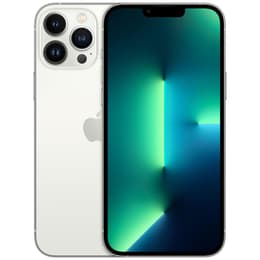
  • Photography Versatility: The iPhone 13 Pro Max features a triple-camera system, including a dedicated telephoto lens for high-quality zoomed-in shots. The Pixel 9 uses a dual-camera setup with a main and an ultrawide lens; it relies on advanced software processing to provide clear digital zoom, though it lacks the physical magnification of the iPhone.
  • Image Processing: Google's Pixel 9 is known for its ability to capture balanced exposures in difficult lighting and its suite of tools that allow users to remove unwanted objects from photos. The iPhone 13 Pro Max focuses on a natural look with excellent skin tone reproduction and a highly reliable autofocus system that rarely misses a shot.
  • Video and Audio: For video creators, the iPhone 13 Pro Max offers professional-grade recording formats and a cinematic mode that adds a blurred background effect to videos. Both phones feature high-quality microphones that effectively filter out background noise during calls or video recordings, ensuring clear audio capture in most environments.

Main camera

50 megapixels

12 megapixels

Front camera

10.5 megapixels

12 megapixels

Miscellaneous

Practical considerations such as physical handling, charging standards, and security methods play a significant role in the long-term satisfaction with a smartphone.

  • Physical Handling and Weight: The iPhone 13 Pro Max is a heavy device, weighing significantly more than the Pixel 9 due to its larger size and stainless steel frame. Users who prefer a lighter, more pocketable phone will find the Pixel 9 much easier to manage, whereas those who like a substantial, sturdy feel may prefer the iPhone.
  • Connectivity and Ports: The Pixel 9 uses the universal USB-C standard for charging and data transfer, which is compatible with most modern laptops and tablets. The iPhone 13 Pro Max uses the Lightning port, which may require specific cables if the user does not already own other Apple accessories. Both devices support 5G for fast mobile data speeds.
  • Security and Biometrics: Google's device uses an ultrasonic fingerprint sensor hidden under the display for quick unlocking, alongside a secure face unlock feature. The iPhone 13 Pro Max relies entirely on FaceID, which uses a sophisticated sensor array to recognise the user's face even in total darkness or when wearing glasses.

Weight

198 g

238 g

Width

7.198 cm

7,81 cm

Height

15.283 cm

16,08 cm

Depth

8.54 cm

0,76 cm

Screen size (in)

6.3

6.7

Mobile network

5G

5G

SIM card

Physical SIM + eSIM

Physical SIM + eSIM

Carrier compatibility

Unlocked

Unlocked

Connector

USB-C

Lightning

In summary, the Google Pixel 9 and the iPhone 13 Pro Max cater to different user priorities. Based on common user feedback, the Pixel 9 is frequently praised for its manageable size, its helpful integrated intelligence features, and the promise of many years of software updates. Some users, however, note that the lack of a dedicated zoom lens is a trade-off for its more compact design. The iPhone 13 Pro Max continues to receive acclaim for its legendary battery life and its consistent, high-quality video performance, though some find its weight and the older Lightning port to be less convenient in a modern context.

Users who prioritise having the latest software features, a lighter device, and a long-term update commitment will likely find the Pixel 9 to be the more suitable choice. Conversely, users who require a large screen for media, a dedicated telephoto lens for photography, and the longest possible battery life may lean toward the iPhone 13 Pro Max. Opting for an eco-friendly alternative through refurbishment allows users to access these high-end features sustainably. Both smartphones remain highly capable tools that can serve a professional or personal lifestyle effectively for several years to come.


See all articles

Our recent comparisons