Galaxy S21 Ultra 5G Vs iPhone XR

Galaxy S21 Ultra 5G
Galaxy S21 Ultra 5G
Starting at

Refurbished price:£186.00

Versus £1,800.00 new

See options
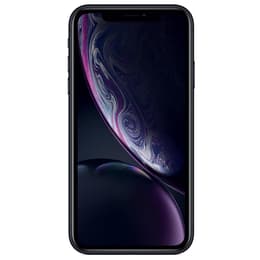
iPhone XR
iPhone XR
Starting at

Refurbished price:£98.00

Versus £399.00 new

See options

Ratings

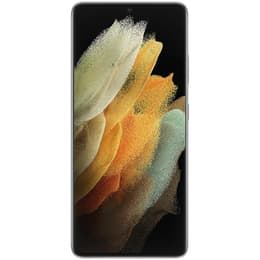
The Samsung Galaxy S21 Ultra 5G, released in 2021, and the iPhone XR, launched in 2018, represent two distinct generations of smartphone technology. While the Galaxy S21 Ultra was designed as a high-performance flagship with a focus on professional-grade features, the iPhone XR was introduced as a reliable and accessible entry into the Apple ecosystem. These devices differ significantly in their hardware capabilities, reflecting the three-year gap between their respective launches. Users will also experience different software environments, with the Samsung device running on Android and the iPhone operating on iOS.

The primary differentiators between these two models lie in their display technology and camera versatility. The Galaxy S21 Ultra offers a large, high-refresh-rate screen and a complex multi-lens camera system, whereas the iPhone XR maintains a more traditional LCD display and a simplified single-lens camera setup. This comparison explores how these differences impact daily use for various types of users.

Scores

Durability

The age difference between these two models plays a critical role in their expected software support and overall physical longevity in the current mobile landscape.

  • Software Support and Longevity: The Galaxy S21 Ultra, being a newer release from 2021, is scheduled to receive security updates and operating system upgrades for a longer period than the iPhone XR. As the iPhone XR was released in 2018, it is approaching the end of its official software support cycle, which may eventually limit its ability to run the latest applications or receive new features.
  • Build Quality and Repairability: Both smartphones feature robust glass and metal constructions, but the Galaxy S21 Ultra utilizes more modern materials designed for improved scratch resistance. In terms of maintenance, the iPhone XR has a well-established repair network, making it relatively straightforward to find replacement parts like screens or batteries, whereas the S21 Ultra features a more complex internal design that may require more specialized attention.
  • Practical Lifespan: For users seeking a device that will remain current for several years, the Galaxy S21 Ultra offers more future-readiness. The iPhone XR is better suited for those who need a reliable device for the immediate future or as a secondary handset for lighter tasks.

Year of Release

2021

2018

Compatible with latest Update

Yes

Yes

OS

Android

iOS

Foldable

No

No

Performance

There is a significant gap in processing power and multitasking efficiency when comparing the hardware of these two different eras.

  • System Responsiveness and Multitasking: The Galaxy S21 Ultra is equipped with a high volume of temporary memory, allowing it to handle demanding applications, intensive mobile gaming, and heavy multitasking without slowing down. The iPhone XR remains smooth for standard daily activities like web browsing and messaging, but users may notice longer loading times when switching between multiple modern, resource-heavy apps.
  • Battery Endurance and Charging: With a much larger internal battery capacity, the Galaxy S21 Ultra is designed to comfortably last through a full day of heavy usage, including video streaming and navigation. The iPhone XR has a smaller battery that, while efficient for its time, may require more frequent charging for users who are active on their phones throughout the day.
  • Storage Flexibility: The Galaxy S21 Ultra was released with higher base storage options and configurations, catering to users who store large amounts of high-resolution media. The iPhone XR offers more modest storage tiers, which are sufficient for standard app usage and cloud-based photo storage but may fill up quickly for power users.

Memory (GB)

12 GB

3 GB

Screen quality

The viewing experience is one of the most immediate and noticeable differences between these two smartphones, reflecting advancements in display technology.

  • Display Technology and Fluidity: The Galaxy S21 Ultra features an advanced AMOLED panel that provides deep blacks, vibrant colours, and a high refresh rate. This technology makes scrolling through social media and playing games feel exceptionally smooth. In contrast, the iPhone XR uses a Liquid Retina LCD, which offers natural colour reproduction but lacks the high-contrast punch and fluid motion found on the Samsung device.
  • Resolution and Clarity: The Galaxy S21 Ultra boasts a much higher resolution, resulting in sharper text and more detailed images when watching high-definition video. The iPhone XR has a lower pixel density, which is perfectly adequate for typical viewing distances but lacks the fine detail visible on the newer flagship.
  • Outdoor Visibility and Size: The Samsung display can reach much higher brightness levels, making it significantly easier to read under direct sunlight. Additionally, its larger 6.8-inch screen provides a more immersive experience for media consumption compared to the 6.1-inch display on the iPhone XR, which is more compact and easier to handle with one hand.

Resolution

1440 x 3200

828 x 1792

Screen type

Dynamic AMOLED 2X

Liquid Retina IPS LCD

Audiovisual

The camera systems represent a shift from a simplified single-lens approach to a sophisticated multi-lens professional-grade setup.

  • Photography Versatility: The Galaxy S21 Ultra features a quad-camera system, including specialized lenses for extreme optical zoom and ultra-wide-angle shots. This allows users to capture distant subjects with clarity and fit more into a single frame. The iPhone XR relies on a single rear lens that produces consistent, high-quality images in daylight but lacks the flexibility to zoom in or out optically.
  • Low-Light Performance: Thanks to its newer sensor technology and advanced software processing, the Galaxy S21 Ultra excels in low-light environments, capturing brighter and more detailed photos at night. The iPhone XR can struggle in dark settings, often producing images with more digital noise and less detail than its more modern counterpart.
  • Video and Audio Capture: Both devices are capable of recording high-quality video, but the Galaxy S21 Ultra offers higher resolution options and more sophisticated microphone arrays. This results in clearer audio and more detailed footage, which is particularly beneficial for users who record a lot of social media content or family videos.

Main camera

108 megapixels

12 megapixels

Front camera

40 megapixels

7 megapixels

Miscellaneous

Physical design choices and connectivity standards highlight the technological progression that occurred between 2018 and 2021.

  • Connectivity and Network Standards: The Galaxy S21 Ultra supports 5G networks, enabling much faster mobile data speeds in areas with modern infrastructure. The iPhone XR is limited to 4G LTE, which remains reliable for most tasks but cannot take advantage of the latest high-speed network developments.
  • Biometric Security and Ports: Users interact with these devices differently; the S21 Ultra uses an invisible fingerprint sensor located under the screen, while the iPhone XR utilizes facial recognition technology for secure unlocking. Furthermore, the S21 Ultra uses a universal USB-C port for charging, whereas the iPhone XR uses the proprietary Lightning connector.
  • Dimensions and Handling: The Galaxy S21 Ultra is a larger and heavier device, which may feel substantial in the hand and provide a premium feel, but it can be more difficult to use one-handed. The iPhone XR is lighter and more compact, making it a more comfortable fit for users with smaller hands or those who prefer a more portable smartphone.

Weight

227 g

194 g

Width

7,56 cm

7,57 cm

Height

16,15 cm

15,09 cm

Screen size (in)

6.8

6.1

Mobile network

5G

4G

SIM card

Dual Physical SIM + eSIM

Physical SIM + eSIM

Carrier compatibility

Unlocked

Unlocked

Connector

USB-C

Lightning

Based on user feedback from various tech forums and long-term reviews, the Galaxy S21 Ultra is frequently praised for its versatile camera system and its immersive, fluid display. Many users appreciate the sheer power it offers for gaming and productivity. However, some find its large physical footprint and weight a bit cumbersome for daily carry. On the other hand, the iPhone XR is often celebrated for its straightforward interface and its enduring reliability over the years. While many users note that its screen and camera now feel dated compared to modern flagships, they still value its simplicity and the consistency of the iOS experience.

Users who prioritise high-quality photography, mobile gaming, and a large, vibrant screen for media consumption will find the Galaxy S21 Ultra aligns well with their needs. Conversely, those who prefer a simpler, more compact device for basic communication and social media may find the iPhone XR sufficient for their daily routine. Choosing a quality-assured refurbished option for either model is a sustainable choice that helps reduce electronic waste while providing a reliable device. Ultimately, the decision rests on whether you require the advanced technical capabilities of a modern flagship or the familiar simplicity of a classic smartphone. Both devices remain functional choices, but they cater to very different user priorities and expectations in the current year.
See all articles

Our recent comparisons