Google Pixel 9 Vs iPhone 14 Pro Max

Google Pixel 9
Google Pixel 9
Starting at

Refurbished price:£327.25

Versus £890.22 new

See options
iPhone 14 Pro Max
iPhone 14 Pro Max
Starting at

Refurbished price:£327.00

Versus £1,199.00 new

See options

Ratings

The Google Pixel 9 (2024) and the iPhone 14 Pro Max (2022) are flagship smartphones that cater to different user preferences regarding size, software, and release timing. The Pixel 9 introduces the latest Google software innovations in a hand-friendly size, while the iPhone 14 Pro Max offers a large-screen experience with Apple’s established hardware reliability. Choosing between them involves weighing the benefits of a newer, smaller Android device against a slightly older but highly capable iOS flagship.

While both devices run their respective manufacturer's latest operating systems, the Pixel 9 launched with Android 14, whereas the iPhone 14 Pro Max debuted with iOS 16. This comparison explores how these two devices stack up in terms of longevity, daily performance, and practical usability for modern consumers.

Scores

Durability

These devices offer different long-term prospects based on their release dates and manufacturer support policies.

  • Software Longevity: The Pixel 9 benefits from a commitment to seven years of operating system and security updates, potentially keeping the device current until 2031. In contrast, the iPhone 14 Pro Max, launched in 2022, typically receives around six years of support, meaning its update cycle may conclude sooner than its competitor.
  • Physical Resilience: Both phones feature high-grade materials, including toughened glass and metal frames. The iPhone 14 Pro Max uses a stainless steel frame, while the Pixel 9 utilizes a refined aluminium build that balances weight and strength.
  • Repairability and Sustainability: The Pixel 9 has been designed with improved internal access for repairs, making it easier to replace components like the battery. Choosing a quality-assured refurbished option is an eco-friendly way to extend the life of these premium materials.

Year of Release

2024

2022

Compatible with latest Update

Yes

Yes

OS

Android

iOS

Foldable

No

No

Performance

While both phones handle demanding tasks with ease, they manage power and multitasking in distinct ways.

  • System Responsiveness: The Pixel 9 focuses on integrated smart features and smooth transitions, utilizing a high amount of memory to keep multiple apps ready in the background. The iPhone 14 Pro Max relies on highly efficient internal hardware that excels at intensive tasks like high-end mobile gaming and video editing without stuttering.
  • Battery Management: The iPhone 14 Pro Max is frequently noted for its ability to last through a full day of heavy use, thanks to its large physical battery and efficient software optimization. The Pixel 9 offers a reliable day-long experience for standard tasks, though heavy use of its advanced smart features may require more frequent charging.
  • Storage and Multitasking: Both devices offer various storage capacities to house large photo libraries. The Pixel 9’s higher memory capacity helps it manage complex background processes, while the iPhone’s hardware-software integration ensures a consistent feel even as the device ages.

Memory (GB)

12 GB

6 GB

Screen quality

The viewing experience differs primarily in scale and brightness, impacting how users consume media and interact with apps.

  • Display Technology: Both devices use OLED technology, which provides deep blacks and high contrast for a vivid viewing experience. The Pixel 9 features a 6.3-inch display that is exceptionally bright, making it easy to read under direct sunlight, whereas the iPhone 14 Pro Max offers a much larger 6.7-inch canvas better suited for watching films.
  • Motion Smoothness: Each phone supports a high refresh rate of up to 120Hz, which means scrolling through social media feeds or navigating menus feels fluid and responsive. The iPhone uses a variable technology that adjusts the speed to save battery, while the Pixel provides a consistently snappy visual feel.
  • Clarity and Detail: The iPhone 14 Pro Max has a slightly higher resolution, providing crisp text across its larger surface area. The Pixel 9 maintains excellent pixel density, ensuring that even on its smaller screen, details remain sharp and colours appear natural.

Resolution

1080 x 2424

1290 x 2796

Screen type

OLED

LTPO Super Retina XDR OLED

Audiovisual

Photography and video remain the primary battlegrounds for these two devices, with each excelling in different environments.

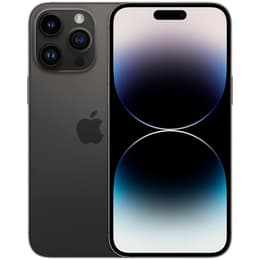
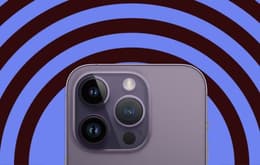
  • Camera Versatility: The iPhone 14 Pro Max features a triple-lens system, including a dedicated telephoto lens for zooming into distant subjects without losing detail. The Pixel 9 uses a dual-lens setup that relies on sophisticated software processing to deliver high-quality images, though it lacks the dedicated optical zoom found on the iPhone.
  • Image Processing: Google’s approach focuses on realistic skin tones and high dynamic range, ensuring that shadows and highlights are well-balanced in difficult lighting. The iPhone is often preferred by those who want a natural, consistent look across all lenses, particularly for video recording.
  • Video and Sound: The iPhone 14 Pro Max is widely regarded for its stable video recording and high-quality microphones, making it a favourite for content creators. The Pixel 9 offers clear audio and impressive video stabilisation, though it is generally seen as a tool optimised for still photography first.

Main camera

50 megapixels

48 megapixels

Front camera

10.5 megapixels

12 megapixels

Miscellaneous

Practical daily use is influenced by the physical design and the specific ports or sensors each manufacturer includes.

  • Biometrics and Security: The Pixel 9 uses an ultrasonic fingerprint sensor hidden under the screen, which is fast and works well even with wet fingers. The iPhone 14 Pro Max utilises facial recognition technology, which many users find seamless for unlocking the device and authorising payments securely.
  • Connectivity and Ports: The Pixel 9 uses the universal USB-C port, compatible with most modern charging cables. The iPhone 14 Pro Max uses the proprietary Lightning port, which may require specific cables if you are moving from other modern electronics. Both support 5G for fast mobile data speeds.
  • Handling and Weight: Due to its stainless steel frame and large screen, the iPhone 14 Pro Max is significantly heavier and wider, which may be a challenge for one-handed use. The Pixel 9 is lighter and narrower, making it more comfortable for users who prefer a pocket-friendly device.

Weight

198 g

120 g

Screen size (in)

6.3

6.7

Mobile network

5G

5G

SIM card

Physical SIM + eSIM

Physical SIM + eSIM

Carrier compatibility

Unlocked

Unlocked

Connector

USB-C

Lightning

The choice between the Google Pixel 9 and the iPhone 14 Pro Max often comes down to a preference for software ecosystems and physical size. According to user discussions on various tech forums, the Pixel 9 is frequently praised for its intelligent software features and its comfortable, compact design. Users appreciate the clean interface and the long-term update promise that keeps the device feeling fresh for years. On the other hand, the iPhone 14 Pro Max receives consistent acclaim for its exceptional battery life and its reliable video performance, though some users find its weight and the older Lightning port to be minor drawbacks in a modern context.

Users who prioritise a large screen for media consumption and a proven track record of hardware efficiency will likely find the iPhone 14 Pro Max better suited to their needs. Conversely, those who prefer a more manageable device size and the latest smart software innovations may lean toward the Pixel 9. Opting for a sustainable choice like a quality-assured refurbished model allows users to access these premium features while contributing to a more circular economy. Ultimately, both smartphones offer a high-quality experience, and the decision rests on whether you value the expansive, established feel of the iPhone or the modern, compact agility of the Pixel.


See all articles

Our recent comparisons