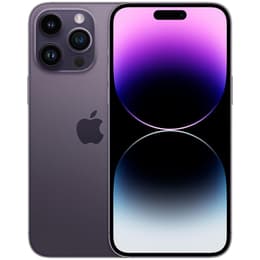
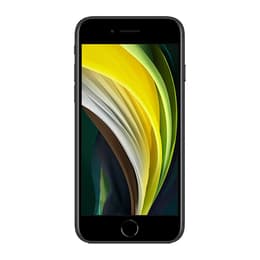

iPhone 14 Pro Max Vs iPhone SE (2020)

iPhone 14 Pro Max
iPhone 14 Pro Max
Starting at

Refurbished price:£325.00

Versus £1,199.00 new

See options
iPhone SE (2020)
iPhone SE (2020)
Starting at

Refurbished price:£67.00

Versus £289.00 new

See options

Ratings

The iPhone 14 Pro Max (2022) and the iPhone SE (2020) represent two distinct eras and philosophies within the smartphone market. While the 14 Pro Max is a large-format device featuring a modern full-screen design, the SE (2020) maintains the classic aesthetic with a physical home button and substantial borders around the display. Both devices operate on the iOS ecosystem, providing a consistent software experience, yet they differ significantly in physical scale, display technology, and camera capabilities.

Scores

Durability

The two-year gap between these releases significantly influences their long-term viability and the duration of software support they will receive from the manufacturer.

  • Software Longevity: The iPhone 14 Pro Max is expected to receive major operating system updates and critical security patches until at least 2028 or 2029. In contrast, the SE (2020) is approaching the later stages of its support cycle, meaning it may stop receiving new features sooner due to its older internal architecture.
  • Build Resilience: The 14 Pro Max is constructed with a stainless steel frame and Ceramic Shield glass, offering high resistance to scratches and drops. The SE (2020) uses an aluminium frame and standard toughened glass, which provides a lightweight feel but lacks the same level of structural reinforcement.
  • Repairability: Both models are well-supported by repair networks, though the SE (2020) features a more traditional internal layout that is often simpler for technicians to service when replacing common components like the battery or the screen.

Year of Release

2022

2020

Compatible with latest Update

Yes

Yes

OS

iOS

iOS

Foldable

No

No

Performance

Performance differences between these models are most noticeable when handling demanding applications or multitasking across several high-resource programmes.

  • System Responsiveness: The iPhone 14 Pro Max handles intensive tasks such as high-definition video editing and complex mobile gaming with fluid ease. The SE (2020) remains efficient for everyday activities like messaging and social media, but users may notice slower loading times when switching between multiple heavy apps.
  • Battery Endurance: Users will find a significant difference in daily uptime; the 14 Pro Max is designed to last through a full day of heavy use without needing a charge. The SE (2020) has a much smaller battery capacity, which typically requires a mid-day top-up for those who use their device frequently for media or navigation.
  • Storage Flexibility: The 14 Pro Max offers a wider range of storage options, including very high capacities for users who prefer to keep all their high-resolution photos and videos stored locally on the device rather than in the cloud.

Memory (GB)

6 GB

3 GB

Screen quality

The display is the most immediate point of contrast, affecting how users consume media and interact with the interface on a daily basis.

  • Display Technology: The 14 Pro Max features an OLED panel that delivers deep blacks and vibrant colours, making it ideal for watching films. The SE (2020) uses an LCD screen, which provides accurate and natural colour reproduction but lacks the high contrast and true black levels of its larger counterpart.
  • Outdoor Legibility: With a significantly higher peak brightness, the 14 Pro Max remains clear and easy to read even in bright sunlight. The SE (2020) display can be more difficult to see in direct outdoor light, often requiring the user to find shade or increase brightness to the maximum.
  • Refresh Rate: The 14 Pro Max includes technology that allows for smoother scrolling and more responsive touch input. The SE (2020) operates at a standard refresh rate, which feels familiar and consistent but lacks the fluid motion found on the more modern display.

Resolution

1290 x 2796

750 x 1334

Screen type

LTPO Super Retina XDR OLED

Retina IPS LCD

Audiovisual

Photography and video capabilities vary greatly, with one device offering a versatile multi-lens system and the other focusing on a simple, single-lens approach.

  • Lens Versatility: The 14 Pro Max is equipped with three lenses—wide, ultra-wide, and telephoto—allowing users to capture everything from expansive landscapes to distant subjects. The SE (2020) features a single wide-angle lens, which is capable for standard snapshots but lacks optical zoom or wide-angle flexibility.
  • Low-Light Performance: Nighttime photography is a major differentiator; the 14 Pro Max uses advanced processing to capture clear, detailed images in dark environments. The SE (2020) does not have a dedicated night mode, resulting in grainier photos when the lighting is not optimal.
  • Video Stability: While both devices record high-quality 4K video, the 14 Pro Max offers enhanced stabilisation and specialised modes that create a more cinematic look, making it better suited for users who frequently record video content for social platforms.

Main camera

48 megapixels

12 megapixels

Front camera

12 megapixels

7 megapixels

Miscellaneous

Practical considerations such as how the device feels in the hand and how it connects to modern networks play a vital role in the user experience.

  • Biometric Security: The 14 Pro Max utilises facial recognition for secure unlocking and payments, which is integrated into the top of the display. The SE (2020) retains the classic fingerprint sensor located in the home button, a feature many users still find intuitive and reliable.
  • Network Speed: The 14 Pro Max supports 5G connectivity, enabling much faster download and upload speeds in areas with network coverage. The SE (2020) is limited to 4G LTE, which remains functional for most tasks but cannot take advantage of the latest high-speed mobile data standards.
  • Weight and Handling: At approximately 240 grams, the 14 Pro Max is a heavy device that often requires two hands for comfortable use. The SE (2020) weighs only 148 grams and has a much smaller footprint, making it one of the most portable and easy-to-handle smartphones available.

Weight

120 g

148 g

Screen size (in)

6.7

4.7

Mobile network

5G

4G

SIM card

Physical SIM + eSIM

Physical SIM + eSIM

Carrier compatibility

Unlocked

Unlocked

Connector

Lightning

Lightning

In summary, the choice between the iPhone 14 Pro Max and the iPhone SE (2020) depends largely on a user's physical preferences and technical requirements. Public sentiment on forums often highlights the SE (2020) as a favourite for those who miss compact phones and the tactile feedback of a physical button, though many users mention that the battery life can be a challenge for modern, always-on lifestyles. Conversely, the 14 Pro Max receives praise for its expansive, high-quality screen and its ability to last through long days of use, though its weight and size are frequent points of discussion for those with smaller hands.

Users who prioritise a large, immersive viewing experience and a camera system that can handle any lighting condition will find the iPhone 14 Pro Max aligns best with their needs. Those who prefer a lightweight, classic design that fits easily into any pocket and provides a familiar interface may lean toward the iPhone SE (2020). Opting for a quality-assured refurbished version of either device is an eco-friendly alternative that supports a more sustainable electronics industry. Both smartphones remain capable choices in 2026, provided the user selects the one that matches their daily habits and ergonomic preferences.

See all articles

Our recent comparisons