iPhone 12 Vs Sony Xperia 1 IV

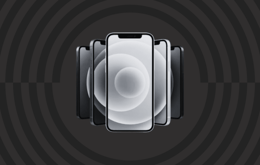
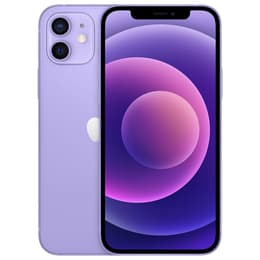
iPhone 12
iPhone 12
Starting at

Refurbished price:£139.00

Versus £649.00 new

See options
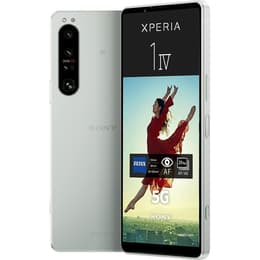
Sony Xperia 1 IV
Sony Xperia 1 IV
Starting at

Refurbished price:£346.00

Versus £1,500.00 new

See options

Ratings

The iPhone 12, released in late 2020, and the Sony Xperia 1 IV, launched in mid-2022, represent two distinct philosophies in the smartphone market. While the iPhone 12 serves as a foundational model in Apple's modern lineup, the Xperia 1 IV is a specialized device tailored toward photography and media enthusiasts. Operating on iOS and Android respectively, these devices offer vastly different software experiences. The iPhone focuses on a streamlined, integrated ecosystem, whereas the Sony provides a more open platform with professional-grade manual controls for its hardware.

Scores

Durability

The iPhone 12 and Sony Xperia 1 IV differ significantly in their release timelines and expected software support, which impacts how long they remain current.

  • Software Longevity: The iPhone 12 typically receives operating system updates for six to seven years from its release date, meaning it remains compatible with the latest apps for a substantial period. The Sony Xperia 1 IV, being a newer release, benefits from more recent hardware standards but generally follows a shorter official update cycle common to many Android manufacturers, which may affect long-term security and feature updates.
  • Build and Repair: Both devices feature glass and metal constructions that require careful handling to avoid damage. The iPhone 12 is widely supported by third-party repair services, making it relatively straightforward to find replacement parts like batteries or screens. The Sony Xperia 1 IV has a more niche design, which may require more specialized service providers for maintenance over its lifespan.
  • Practical Lifespan: Users can expect both phones to remain functional for several years, though the iPhone's consistent update schedule often gives it an edge in long-term software compatibility for modern applications. The Sony's newer internal components help it stay relevant, but the software support window is a key factor for those planning to keep their device for half a decade or more.

Year of Release

2020

2022

Compatible with latest Update

Yes

No

OS

iOS

Android

Foldable

No

No

Performance

Performance on these devices is shaped by their internal hardware and how their respective operating systems manage resources during daily use.

  • System Responsiveness: The Sony Xperia 1 IV handles intensive multitasking and demanding mobile games with ease, aided by a high amount of temporary memory that allows many apps to stay open simultaneously without reloading. The iPhone 12, while having less memory on paper, uses a highly efficient system that ensures daily tasks like browsing, social media, and navigation feel smooth and immediate.
  • Battery and Charging: In typical daily use, the Sony Xperia 1 IV is designed to power a high-resolution screen, which requires a larger battery capacity to last through a full day of heavy use. The iPhone 12 has a smaller physical battery but benefits from software optimization that balances power consumption effectively for standard users, though heavy users may find themselves reaching for a charger by early evening.
  • Storage Flexibility: The Sony device includes a slot for expandable storage, allowing users to add more space for large video files or photo libraries using a memory card. The iPhone 12 relies on fixed internal storage, requiring users to choose their capacity at the start or use cloud-based services for extra room as their library grows.

Memory (GB)

4 GB

12 GB

Screen quality

The viewing experience is one of the most noticeable differences between these two smartphones due to their unique display technologies and shapes.

  • Display Technology and Smoothness: The Sony Xperia 1 IV features a very high-resolution 4K display with a fast refresh rate, resulting in exceptionally fluid scrolling and sharp visuals that are particularly noticeable when watching high-quality video content. The iPhone 12 uses a vibrant OLED screen that provides deep blacks and excellent color accuracy, though it operates at a standard refresh rate which is less fluid during fast movement compared to the Sony.
  • Aspect Ratio and Size: Sony utilizes a tall, narrow 21:9 aspect ratio, which is ideal for watching cinematic movies without black bars and makes the phone easier to grip with one hand. The iPhone 12 has a more traditional 19.5:9 ratio, providing a wider canvas that many users find more comfortable for reading text, typing, and general web browsing.
  • Outdoor Visibility: Both screens are capable of reaching high brightness levels, ensuring that maps and messages remain legible even when used under direct sunlight. The Sony's screen is uninterrupted by a notch, while the iPhone 12 features a small cutout at the top for its front-facing sensors, which some users may notice during full-screen video playback.

Resolution

1170 x 2532

1644 x 3840

Screen type

Super Retina XDR OLED

OLED

Audiovisual

While both phones are capable of capturing high-quality images, they cater to very different types of photographers and content creators.

  • Photography Style: The iPhone 12 is designed for a point-and-shoot experience, using intelligent software to automatically adjust settings for the best possible photo in various lighting conditions. The Sony Xperia 1 IV offers a suite of professional-grade manual controls, allowing users to fine-tune focus, shutter speed, and ISO, much like a dedicated digital camera, which is ideal for those who want full creative control.
  • Zoom Capabilities: Sony's device features a unique lens system that provides true optical zoom, allowing for clear close-up shots of distant subjects without losing detail. The iPhone 12 lacks a dedicated zoom lens, relying instead on its wide and ultra-wide cameras, which are excellent for landscapes and group photos but less effective for capturing subjects from a distance.
  • Video and Audio: The Xperia 1 IV is built for content creators, featuring high-fidelity microphones and specialized video recording apps that allow for cinematic results. The iPhone 12 remains a reliable choice for video, offering stable, high-quality recording that is easy to share and edit directly on the device, making it a favorite for social media users.

Main camera

12 megapixels

12 megapixels

Front camera

12 megapixels

12 megapixels

Miscellaneous

Practical features and physical design play a large role in how these devices feel and function in everyday environments.

  • Connectivity and Ports: The Sony Xperia 1 IV includes a traditional 3.5mm headphone jack, a rarity in modern smartphones that allows for the use of wired headphones without adapters. The iPhone 12 uses a proprietary port for charging and audio, though it supports a wide range of wireless accessories and magnetic attachments for easy charging and mounting.
  • Biometrics and Security: For unlocking the device, the iPhone 12 uses facial recognition technology that works quickly even in low light. The Sony Xperia 1 IV utilizes a fingerprint sensor built into the power button on the side, which some users find more convenient when the phone is sitting on a desk or when wearing a face covering.
  • Dimensions and Handling: The iPhone 12 is slightly shorter and wider, feeling substantial yet compact in the pocket. The Sony is taller and slimmer, which may make reaching the top of the screen a two-handed task for some, but its lightweight build and narrow frame make it comfortable for long periods of media consumption.

Weight

164 g

185 g

Screen size (in)

6.1

6,5

Mobile network

5G

5G

SIM card

Physical SIM + eSIM

Physical SIM + eSIM

Carrier compatibility

Unlocked

Unlocked

Connector

Lightning

USB-C + Jack 3.5mm

User feedback on community forums highlights the Sony Xperia 1 IV as a specialized tool for enthusiasts, praised for its 4K display and the inclusion of a headphone jack and microSD slot. However, some users note that the device can become warm during intensive tasks like high-resolution video recording. The iPhone 12 is frequently commended for its reliability, ease of use, and the longevity of its software updates, though some users mention that its battery life is less impressive compared to newer, larger models in the same family.

Choosing between these two depends heavily on individual priorities. Users who are passionate about manual photography, cinematic video, and having expandable storage will likely find the Sony Xperia 1 IV to be a more versatile tool for their hobbies. Conversely, those who prefer a straightforward, reliable experience with long-term software support and a vast ecosystem of accessories will find the iPhone 12 better suited to their needs. For those looking to make a sustainable choice, both devices are available as quality-assured refurbished options, which serve as an eco-friendly alternative to buying new. Ultimately, the Sony is a specialized powerhouse for creators, while the iPhone remains a balanced all-rounder for the general public.
See all articles

Our recent comparisons