iPhones
Compare models
Differences at a glance
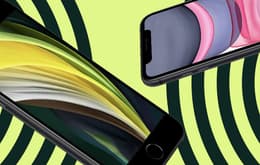
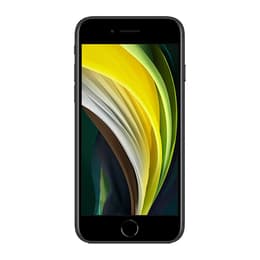
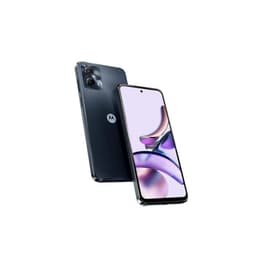
The iPhone SE (2020) and the Motorola Moto G13 (2023) represent two distinct approaches to the smartphone market. While the iPhone SE offers a compact, familiar design with a focus on internal power, the Moto G13 provides a modern, large-screen experience tailored for media consumption. These devices run on different ecosystems, with the iPhone utilising Apple’s iOS and the Motorola operating on Google’s Android platform. Choosing between them involves weighing the benefits of a smaller, high-performance device against a larger, battery-focused alternative that prioritises screen real estate.
Colour
Storage
The iPhone SE (2020) was released three years prior to the Moto G13, which significantly impacts their remaining software support timelines and physical longevity. While Apple typically provides long-term updates, the SE is approaching the end of its official support cycle by 2026. In contrast, the Moto G13 is a newer release but follows a more limited update policy common in entry-level Android devices. For those looking for a sustainable choice, a quality-assured refurbished iPhone SE can offer a reliable experience, though its physical age is a factor to consider.
Year of Release
OS
Foldable
Performance levels differ greatly between these two models due to their internal hardware priorities and how they manage daily tasks. The iPhone SE prioritises speed and responsiveness, handling demanding applications and multitasking with ease, though its smaller battery requires more frequent charging. The Moto G13 is designed for efficiency and endurance, offering a much larger battery capacity that easily lasts through a full day of heavy use, though it may feel slower when launching complex apps or switching between multiple tasks.
The viewing experience is perhaps the most immediate difference between these devices, affecting how users interact with content. The iPhone SE features a 4.7-inch display that is easy to use with one hand but offers less space for video or reading. The Moto G13 boasts a much larger 6.5-inch screen, providing a more immersive experience for watching content or playing games. However, the iPhone’s display is known for its colour accuracy and clarity, while the Motorola focuses on a smoother visual flow during scrolling.
Photography and media playback follow different philosophies on these handsets, catering to different creative needs. The iPhone SE uses a single-lens system that relies on advanced software to produce natural-looking photos and high-quality video recording. The Moto G13 features a triple-camera array, offering more versatility with dedicated lenses for close-up shots and depth sensing. For audio, both devices provide stereo sound, but the Motorola includes enhancements designed to create a wider soundstage for movies and music.
Practical daily usage is influenced by the physical design and connectivity options of each phone, impacting how they fit into a user's lifestyle. The iPhone SE retains the classic home button with a fingerprint sensor, which many users find intuitive. The Moto G13 uses a modern side-mounted fingerprint reader and includes a headphone jack, a feature missing from the iPhone. Both devices support 4G connectivity, ensuring reliable internet access, but they differ in their charging ports and overall physical footprint.
Weight
Screen size (in)
Mobile network
SIM card
Carrier compatibility
Connector
Real-world feedback from users highlights the distinct strengths of both smartphones. Owners of the iPhone SE (2020) frequently praise its compact form factor and the speed of its interface, though the most common criticism is the limited battery life, which can be a challenge for power users. Conversely, Moto G13 users often highlight the impressive battery endurance and the large, smooth display as major benefits, while noting that the device can occasionally stutter when running heavy applications. Consensus suggests that the iPhone feels like a more powerful tool in a small package, while the Motorola is a reliable media companion.
Users who prioritise a compact design, high-speed performance, and the iOS ecosystem will find the iPhone SE (2020) well-suited to their needs. It remains a strong choice for those who prefer a traditional physical home button and a device that fits easily into any pocket. On the other hand, users who value a large screen for entertainment and need a battery that can last through long days without charging will likely lean toward the Motorola Moto G13. Choosing an eco-friendly alternative like a sustainable choice from a refurbished range allows consumers to access these features while supporting a more circular electronics lifecycle. Ultimately, the decision rests on whether you value the portability and power of the iPhone or the endurance and screen real estate of the Motorola.