iPhone 17 Vs Sony Xperia 1 IV

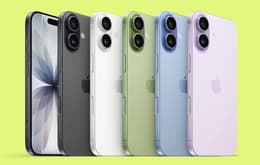
iPhone 17
iPhone 17
Starting at

Refurbished price:£688.00

Versus £799.00 new

See options
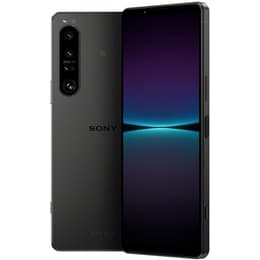
Sony Xperia 1 IV
Sony Xperia 1 IV
Starting at

Refurbished price:£346.00

Versus £1,500.00 new

See options

Ratings

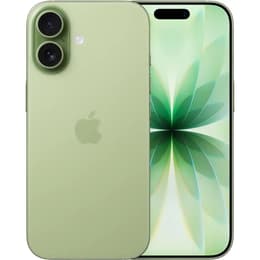
The iPhone 17, released in September 2025, represents Apple's latest iteration of its flagship smartphone line, running on iOS 19 (or iOS 26 as per some sources) and featuring a range of hardware and software advancements. In contrast, the Sony Xperia 1 IV, launched in May 2022, is an Android-powered device known for its unique multimedia capabilities and professional-grade camera features. The primary distinction lies in their operating systems and their respective approaches to user experience, with the iPhone 17 focusing on a refined ecosystem and the Xperia 1 IV catering to creative professionals and media enthusiasts.

Scores

Durability

When considering the practical lifespan of these devices, several factors come into play, including their release timelines, software support, and physical durability.

  • Release Timeline & Software Support: The iPhone 17, being a 2025 release, benefits from Apple's typically long software support, often extending to six to eight years of major iOS updates. This means it is expected to receive updates well into the early 2030s. The Sony Xperia 1 IV, released in 2022, typically receives fewer major Android OS updates, with support often lasting around two to three major OS versions and security updates for a few years.
  • Software Longevity: Users prioritizing extended access to the latest software features and security patches will find the iPhone 17 offers a longer period of official support. The Xperia 1 IV has already received updates up to Android 14, but its update cycle is nearing its end compared to the iPhone 17.
  • Physical Durability: The iPhone 17 features Ceramic Shield 2 for enhanced scratch resistance and improved anti-reflection, alongside IP68 water resistance. The Xperia 1 IV is protected by Corning Gorilla Glass Victus on both the front and back, and carries IP65/IP68 ratings for water and dust resistance.

Year of Release

2025

2022

Compatible with latest Update

Yes

No

OS

iOS

Android

Foldable

No

No

Performance

The performance of a smartphone is crucial for daily tasks, from app usage to demanding multimedia creation.

  • Processor Capabilities: The iPhone 17 is equipped with Apple's A19 chip, built on a 3-nanometer process, which delivers powerful performance and efficiency for demanding applications and multitasking. The Sony Xperia 1 IV is powered by the Qualcomm Snapdragon 8 Gen 1 SoC, which was a high-end processor at its 2022 release, capable of handling intensive tasks and gaming smoothly.
  • System Responsiveness & Multitasking: The iPhone 17 is designed for smooth system responsiveness, with its optimized hardware and software integration ensuring fluid navigation and quick app loading. The Xperia 1 IV, with 12GB of RAM, offers robust multitasking capabilities, allowing users to switch between applications without significant slowdowns.
  • Battery Behavior: The iPhone 17 features an improved battery, offering up to 30 hours of video playback, and supports faster charging. The Xperia 1 IV houses a 5000 mAh battery, which provides dependable daily usage, though its high-resolution display can contribute to faster drain under heavy use.

Memory (GB)

8 GB

12 GB

Screen quality

The display is a primary interface for users, and both devices offer distinct viewing experiences.

  • Display Technology & Resolution: The iPhone 17 features a 6.3-inch Super Retina XDR OLED display with a resolution of 2622 x 1206 pixels, offering deep blacks and vibrant colors. The Sony Xperia 1 IV stands out with a 6.5-inch 4K HDR OLED CinemaWide display (3840 x 1644 pixels) with a 21:9 aspect ratio, providing exceptional clarity and detail, particularly for cinematic content.
  • Refresh Rate & Brightness: The iPhone 17 incorporates ProMotion technology, offering an adaptive refresh rate of up to 120Hz for smoother scrolling and responsiveness, and boasts a peak outdoor brightness of 3,000 nits. The Xperia 1 IV also features a 120Hz refresh rate and a 240Hz touch sampling rate, with its OLED panel being 50% brighter than its predecessor.
  • Viewing Experience: The iPhone 17's display is designed for an adaptive experience, adjusting to lighting conditions for comfortable viewing. The Xperia 1 IV's 21:9 aspect ratio is particularly suited for widescreen video consumption, offering an immersive cinematic view.

Resolution

2622x1206

1644 x 3840

Screen type

Super Retina XDR

OLED

Audiovisual

Both smartphones offer advanced camera systems, though with different philosophies and features.

  • Camera System Capabilities: The iPhone 17 features a dual-lens rear camera system with two 48-megapixel lenses, including a Fusion Wide-Angle and an Ultra Wide-angle lens, and an 18-megapixel selfie camera with Center Stage. The Sony Xperia 1 IV has a triple 12-megapixel camera setup, including a main, ultrawide, and a unique continuous optical zoom telephoto lens (85mm to 125mm), along with a 12MP front camera.
  • Photography Performance: The iPhone 17's camera upgrades are designed for easier photography, with automatic adjustments for lighting and color, and improved low-light performance. The Xperia 1 IV emphasizes manual controls and features from Sony's Alpha cameras, such as Real-Time Eye AF and burst shooting, allowing for more creative input, though some users note it requires getting used to for optimal results.
  • Video Recording & Audio: The iPhone 17 offers enhanced video capabilities. The Xperia 1 IV is highly regarded for its video recording, capable of 4K HDR video at up to 120 frames per second across all rear lenses, and includes features like Cinematography Pro and Videography Pro. It also boasts front-facing stereo speakers, a 3.5mm headphone jack, and support for High-Resolution Audio and Dolby Atmos.

Main camera

48 megapixels

12 megapixels

Front camera

18 megapixels

12 megapixels

Miscellaneous

Beyond core performance, several practical elements differentiate these devices in everyday use.

  • Connectivity Options: The iPhone 17 supports Wi-Fi 7 and an Apple-designed networking chip for improved efficiency and consistent connectivity, along with 5G and satellite connectivity for emergencies. The Sony Xperia 1 IV includes 5G, Wi-Fi 6 (IEEE802.11a/b/g/n/ac/ax), and Bluetooth 5.2.
  • Port Types & Sensors: The iPhone 17 is expected to feature USB-C charging and Face ID for biometric authentication. The Xperia 1 IV retains a 3.5mm headphone jack and a microSDXC card slot for expandable storage up to 1TB, features not commonly found on many modern flagships. It also has a side-mounted fingerprint scanner.
  • Weight & Dimensions: The iPhone 17 has a 6.3-inch display, making it slightly taller, thicker, and heavier than its predecessor, but with reduced bezels. The Xperia 1 IV measures 165 x 71 x 8.2 mm and weighs 185g, featuring a 21:9 aspect ratio that makes it narrower and easier to handle for some users.

Weight

177 g

185 g

Screen size (in)

6.3

6,5

Mobile network

5G

5G

SIM card

Physical SIM + eSIM

Physical SIM + eSIM

Carrier compatibility

Unlocked

Unlocked

Connector

USB-C

USB-C + Jack 3.5mm

The iPhone 17 and Sony Xperia 1 IV cater to different user priorities, reflecting their distinct design philosophies and operating systems. The iPhone 17, as a newer device, benefits from the latest advancements in Apple's ecosystem, offering a long software support lifespan, a powerful processor for general use, and a highly integrated user experience. Users often praise its intuitive interface and consistent performance.

The Sony Xperia 1 IV, while an older model, is frequently lauded by users for its unique 4K OLED display, exceptional audio capabilities including a headphone jack, and its advanced camera system that provides extensive manual controls for photography and videography enthusiasts. However, some users have noted that its battery life can be less consistent under heavy load due to the high-resolution screen, and its camera system requires a learning curve to fully utilize.

Users prioritizing long-term software support, a streamlined user experience, and robust general performance will likely find the iPhone 17 well-suited to their needs. Conversely, individuals who value a unique cinematic display, professional-grade manual camera controls, and dedicated audio features like a headphone jack and expandable storage, may lean towards the Sony Xperia 1 IV. Both devices offer compelling features for their target audiences, and choosing a quality-assured refurbished option can provide an eco-friendly alternative for either model.
See all articles

Our recent comparisons