
Compare models
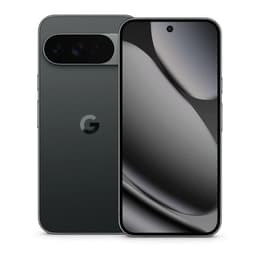
Galaxy A26 Vs Google Pixel 10 Pro XL
- 1-year minimum warranty
- Free delivery on all items
- Free 30-day returns
Differences at a glance
The Samsung Galaxy A26 (2025) and the Google Pixel 10 Pro XL (2025) represent two distinct approaches to the modern smartphone market, targeting very different usage expectations and daily requirements. While both devices operate on the Android platform, they differ substantially in their hardware positioning, feature sets, and intended audience profiles. The primary differentiators center on processing capability, camera versatility, and hardware sophistication, which collectively define how each device handles everyday tasks.
Available Models
Colour
Storage (GB)
Scores
Durability
When evaluating the long-term viability and software support timelines of these two smartphones, distinct differences emerge regarding their expected operational lifespans.
- Software Support Duration: The Google Pixel 10 Pro XL benefits from an extended multi-year update commitment covering both system upgrades and security patches, whereas the Galaxy A26 offers a more moderate software lifecycle typical of mid-range devices.
- Repairability and Build Maintenance: Both manufacturers provide structured repair pathways, though the widespread availability of standardized modular components for mid-range models often simplifies out-of-warranty servicing.
- Expected Practical Lifespan: Users seeking extended software relevance will find the longer update schedule of the Pixel advantageous, while the Galaxy A26 reliably serves standard daily communication and media needs for several years.
Year of Release
2025
2025
Compatible with latest Update
Yes
Yes
OS
Android
Android
Foldable
No
No
Performance
Handling daily operations, multitasking, and battery endurance varies significantly depending on the internal architecture and power efficiency of each device.
- Multitasking and Responsiveness: The Google Pixel 10 Pro XL features higher-tier processing hardware paired with generous memory configurations, ensuring seamless switching between demanding applications and intensive tasks, while the Galaxy A26 manages everyday apps, web browsing, and casual tasks with stable efficiency.
- Storage and Configurations: Both devices offer multiple internal storage capacities to accommodate media files and applications, though options vary by regional availability.
- Battery Behavior: Users report that the Pixel 10 Pro XL manages heavy daily workflows reliably through optimized power consumption, whereas the Galaxy A26 provides dependable battery endurance that comfortably spans a standard day of moderate use.
Screen quality
Display characteristics play a central role in everyday media consumption, outdoor legibility, and visual comfort during prolonged usage periods.
- Display Technology and Clarity: The Google Pixel 10 Pro XL utilizes an advanced OLED panel with high peak brightness and fine resolution for sharp text reproduction, while the Galaxy A26 employs a vibrant display that delivers clear visuals and deep contrast for daily viewing.
- Refresh Rate and Motion Smoothness: Both models support elevated refresh rates for fluid scrolling through web pages and social media feeds, enhancing overall interface responsiveness.
- Outdoor Legibility: The Pixel 10 Pro XL achieves higher peak luminance levels for improved visibility under direct sunlight, whereas the Galaxy A26 remains adequately legible during standard outdoor use.
Resolution
1080x2340
1344x2992
Audiovisual
Multimedia capture capabilities and audio-visual output shape the overall media creation and consumption experience on both smartphones.
- Camera System Versatility: The Google Pixel 10 Pro XL features a comprehensive multi-lens array including a dedicated telephoto module for optical zoom and advanced computational photography tools, while the Galaxy A26 equips a dependable main sensor and ultra-wide option suitable for casual everyday snapshots.
- Low-Light and Video Performance: Computational processing on the Pixel line yields detailed low-light images and stable video recording, whereas the Galaxy A26 captures clear footage in balanced lighting conditions.
- Audio Output: Built-in stereo speakers on both devices deliver clear sound for hands-free calls and casual media playback, complemented by microphone arrays that isolate voice input effectively.
Front camera
13 megapixels
42 megapixels
Miscellaneous
Physical construction, connectivity standards, and daily ergonomic factors influence how each smartphone fits into various user routines and environments.
- Build Materials and Ergonomics: The Google Pixel 10 Pro XL features refined glass and metal finishes with a larger physical footprint, whereas the Galaxy A26 utilizes practical composite materials designed for comfortable one-handed handling.
- Connectivity and Ports: Both models support modern 5G networks, Wi-Fi standards, and Bluetooth pairing, utilizing USB Type-C ports for charging and data transfer.
- Security Sensors: Secure authentication is handled via responsive biometric sensors, including under-display fingerprint recognition and facial scanning capabilities.
Weight
200 g
232 g
Screen size (in)
6.7
6.8
Mobile network
5G
5G
SIM card
Dual Physical SIM
Physical SIM + eSIM
Carrier compatibility
Unlocked
Unlocked
Connector
USB-C
USB-C
What the community thinks
Community discussions and user feedback highlight distinct patterns regarding real-world satisfaction for both models. Users frequently praise the Google Pixel 10 Pro XL for its sophisticated camera software, high-resolution display clarity, and comprehensive long-term software support. Conversely, common considerations involve its larger physical size and higher tier of hardware positioning. For the Galaxy A26, users appreciate its dependable daily performance, straightforward interface, and practical approach to essential smartphone requirements, though heavy users note limitations in intensive gaming or advanced computational photography tasks.
Users prioritizing advanced photography tools, high-end display metrics, and extended software lifespans may prefer the Google Pixel 10 Pro XL, while users seeking a balanced, straightforward device for essential daily tasks will find the Galaxy A26 well-suited to their needs. Exploring a quality-assured refurbished option provides a sustainable choice for acquiring either model while reducing electronic waste. Ultimately, the choice depends on matching individual workflow requirements and usage priorities with the distinct capabilities of each device.