
Smartphones
Compare models
Differences at a glance
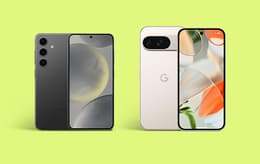
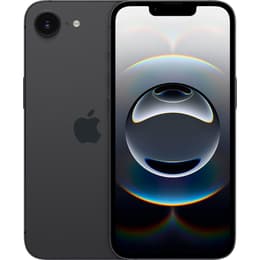
The Google Pixel 10 Pro Fold and the iPhone 16E represent distinct approaches to modern smartphone design and functionality, both released in 2026. The Pixel 10 Pro Fold offers a versatile foldable form factor, transforming from a compact smartphone into a larger tablet-like display, while the iPhone 16E provides a more traditional, streamlined smartphone experience. These devices cater to different user preferences, with the Pixel emphasizing expansive screen real estate and multitasking, and the iPhone focusing on a familiar, integrated ecosystem.
Colour
Storage
When considering the long-term usability of a smartphone, factors like software support and physical resilience are key. Both the Google Pixel 10 Pro Fold and the iPhone 16E are designed with longevity in mind, though their inherent designs present different durability considerations.
Year of Release
OS
Foldable
The performance of a smartphone is crucial for daily tasks, from browsing and communication to demanding applications and gaming. Both the Google Pixel 10 Pro Fold and the iPhone 16E are equipped with current-generation processors designed for efficient and responsive operation.
The display is a primary interface for any smartphone, and both devices offer distinct visual experiences tailored to their form factors.
Resolution
Camera capabilities are a significant consideration for many users, and both the Pixel 10 Pro Fold and the iPhone 16E integrate advanced imaging systems, leveraging computational photography and AI enhancements.
Front camera
Beyond core features, several practical elements differentiate these devices, influencing daily interaction and overall user experience.
Weight
Screen size (in)
Mobile network
SIM card
Carrier compatibility
Connector
The Google Pixel 10 Pro Fold and the iPhone 16E cater to distinct user needs, each excelling in different areas. The Pixel 10 Pro Fold is often praised for its innovative foldable design, offering a large, immersive screen for multitasking and media consumption, making it a strong choice for users who prioritize screen real estate and productivity on the go. Its advanced camera system and AI-driven features also receive positive feedback for enhancing photography and overall smart capabilities. Some users, however, may find the folded form factor thicker than a traditional phone, and the durability of foldable screens, while significantly improved, remains a consideration for some.
The iPhone 16E, on the other hand, is generally lauded for its streamlined user experience, robust performance, and the reliability of the Apple ecosystem. Its adoption of an OLED display and USB-C port, along with Face ID, brings modern features to a more accessible iPhone model. Users appreciate its consistent camera performance and the long-term software support Apple provides. Potential criticisms might include its single rear camera setup compared to multi-lens systems on other devices, or the preference some users have for a physical home button and Touch ID.
Users prioritizing a versatile device that can transform from a compact phone to a larger screen for enhanced productivity and immersive content might find the Google Pixel 10 Pro Fold well-suited to their needs. Conversely, individuals who value a consistent, intuitive, and secure smartphone experience within a familiar ecosystem, with a focus on core functionality and a traditional form factor, may lean toward the iPhone 16E. Both devices offer compelling features for different lifestyles, and considering a quality-assured refurbished option can be an eco-friendly alternative for acquiring either of these advanced smartphones.