Galaxy A53 5G Vs iPhone 11

Galaxy A53 5G
Galaxy A53 5G
Starting at

Refurbished price:£109.00

Versus £459.00 new

See options
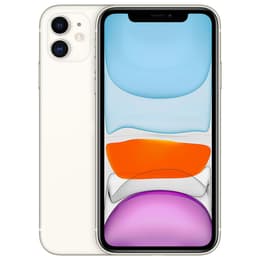
iPhone 11
iPhone 11
Starting at

Refurbished price:£123.00

Versus £489.00 new

See options

Ratings

The Samsung Galaxy A53 5G, released in 2022, and the Apple iPhone 11, launched in 2019, represent two different eras of smartphone technology. While the Galaxy A53 5G offers modern connectivity and a contemporary display, the iPhone 11 remains a popular choice for those integrated into the iOS ecosystem. These devices cater to different user needs, with the Samsung focusing on screen technology and the iPhone emphasizing consistent software performance. Both run their respective latest operating systems, though their hardware ages differ significantly.

The primary distinction between these two models lies in their network capabilities and display quality. The Galaxy A53 5G provides access to the latest high-speed mobile networks and a high-refresh-rate screen, whereas the iPhone 11 relies on 4G connectivity and a traditional liquid crystal display. Despite being the older model, the iPhone 11 continues to be a relevant option for users who prioritize video quality and a streamlined user experience.

Scores

Durability

The three-year gap between these devices significantly impacts their long-term software support and physical resilience in daily use.

  • Software Longevity: The Galaxy A53 5G benefits from a later release date, meaning it is scheduled to receive security updates and operating system refreshes for several years beyond the iPhone 11's likely cutoff point. Samsung has committed to a lengthy support cycle that ensures this model remains current for a longer period.
  • Physical Build: The iPhone 11 features a glass and aluminium construction that feels substantial, though the glass is susceptible to cracking upon impact. In contrast, the Galaxy A53 5G uses a durable polycarbonate back that is more resilient to drops and everyday wear, making it a practical choice for active users.
  • Repairability: Both manufacturers have made strides in making parts more available, but the iPhone 11's older design is well-understood by technicians, while the Galaxy A53 5G's modular internal layout simplifies certain common repairs like battery replacements.

Year of Release

2022

2019

Compatible with latest Update

Yes

Yes

OS

Android

iOS

Foldable

No

No

Performance

Everyday responsiveness and battery endurance vary between these two models due to their different internal architectures and power management strategies.

  • System Fluidity: The iPhone 11 maintains a high level of responsiveness when navigating the interface and launching apps, thanks to efficient internal hardware that has aged gracefully. The Galaxy A53 5G provides a stable experience for multitasking and productivity, though it may not feel quite as snappy during high-end gaming.
  • Battery Endurance: With a larger battery capacity, the Galaxy A53 5G typically lasts through a full day of heavy media consumption. The iPhone 11 has a smaller battery, which means that users who frequently stream video or use GPS may need to charge the device more often.
  • Multitasking: With a generous amount of memory, the Galaxy A53 5G allows users to keep multiple applications open in the background. The iPhone 11 manages its resources efficiently, but the Samsung's higher memory count provides more headroom for demanding productivity workflows.

Memory (GB)

4 GB

4 GB

Screen quality

The visual experience is one of the most noticeable differences between these two smartphones, affecting everything from reading text to watching videos.

  • Display Technology: The Galaxy A53 5G utilizes an advanced panel that offers deep blacks and high contrast, whereas the iPhone 11 uses a traditional liquid crystal display that provides natural colours but lacks the same level of visual depth.
  • Motion Smoothness: A higher refresh rate on the Samsung model makes scrolling through social media and animations appear more fluid than the standard rate found on the iPhone 11. This feature significantly enhances the perceived speed of the device.
  • Outdoor Visibility: The Galaxy A53 5G reaches higher peak brightness levels, making it easier to read the screen under direct sunlight compared to the more reflective panel of the iPhone 11. This is a major benefit for anyone who frequently uses their phone outdoors.

Resolution

1080 x 2400

828 x 1792

Screen type

Super AMOLED

Liquid Retina IPS LCD

Audiovisual

Photography and video capabilities are handled differently by each brand, with one focusing on versatility and the other on consistency.

  • Lens Versatility: The Galaxy A53 5G features a multi-lens system including a dedicated macro lens for close-up shots, while the iPhone 11 sticks to a streamlined dual-lens setup that prioritises wide and ultra-wide perspectives for everyday photography.
  • Video Recording: Users often find that the iPhone 11 produces stable and natural-looking video footage, making it a preferred choice for social media creators. The Galaxy A53 5G records clear video, but it often lacks the same level of cinematic smoothness.
  • Image Processing: Samsung's approach tends to produce vibrant photos ready for sharing, while Apple's processing focuses on realistic skin tones and balanced exposure in various lighting conditions. Both devices offer reliable night modes for low-light environments.

Main camera

64 megapixels

12 megapixels

Front camera

32 megapixels

12 megapixels

Miscellaneous

Practical features like connectivity and biometric security define the daily handling experience for both the Galaxy and the iPhone.

  • Network Connectivity: The Galaxy A53 5G supports the latest high-speed mobile networks, providing faster download speeds and better future-proofing. The iPhone 11 is limited to 4G LTE, which is functional but may feel slower as network technology continues to advance.
  • Biometric Security: The iPhone 11 relies on facial recognition for unlocking, which is secure and convenient, while the Galaxy A53 5G uses a fingerprint sensor located under the display glass, offering a different way to access the phone.
  • Design and Handling: The iPhone 11 has a slightly smaller footprint, making it more comfortable for one-handed operation. The Galaxy A53 5G is taller and wider, providing more screen real estate for media but requiring a more deliberate grip.

Weight

189 g

194 g

Screen size (in)

6.5

6.1

Mobile network

5G

4G

SIM card

Dual Physical SIM

Physical SIM + eSIM

Carrier compatibility

Unlocked

Unlocked

User feedback for the Galaxy A53 5G often highlights the vibrant screen and long battery life as major positives, though some users on community forums note occasional stutters during intensive tasks. Conversely, iPhone 11 owners frequently praise the device's reliability and the quality of its video recording, even years after its initial release. However, a common criticism of the iPhone 11 is its aging screen technology and the lack of 5G connectivity, which some feel limits its utility in modern network environments.

Users who prioritise a modern display and the fastest mobile data speeds will likely find the Galaxy A53 5G better suited to their needs. Those who prefer a consistent software experience and superior video quality may lean toward the iPhone 11. For those looking to make a more sustainable choice, choosing a quality-assured refurbished option is an excellent way to access these technologies. Opting for an eco-friendly alternative like a refurbished device helps reduce electronic waste while providing a reliable smartphone experience. Ultimately, the decision rests on whether one values the modern features of the Samsung or the proven longevity of the Apple ecosystem.


See all articles

Our recent comparisons