
Google Pixel 9 Vs Google Pixel Fold

Google Pixel 9
Google Pixel 9
Starting at

Refurbished price:£330.00

Versus £892.46 new

See options
Google Pixel Fold
Google Pixel Fold
Starting at

Refurbished price:£371.00

Versus £1,499.00 new

See options

Ratings

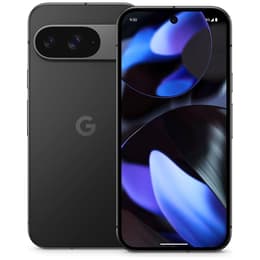
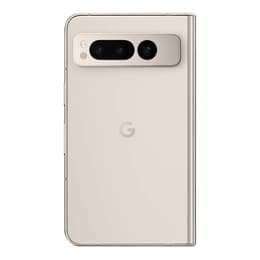
The Google Pixel 9, released in 2024, and the Google Pixel Fold, launched in 2023, represent two distinct approaches to the modern smartphone experience. While the Pixel 9 follows the traditional slab-style design with a focus on refined hardware and long-term software support, the Pixel Fold introduces a versatile, folding form factor that bridges the gap between a phone and a small tablet. Both devices run on Google's version of the Android operating system, providing a clean and integrated user experience.

The primary differentiator between these two models is their physical utility: the Pixel 9 prioritises portability and durability, whereas the Pixel Fold focuses on expansive screen real estate and enhanced multitasking capabilities. Choosing between them involves weighing the benefits of a standard, high-performance handset against the functional flexibility of a foldable display.

Scores

Durability

When evaluating how long these devices will remain functional and relevant, the release dates and manufacturer support commitments play a significant role in their expected lifespan.

  • Software Longevity: The Pixel 9 benefits from a significantly extended support window, with the manufacturer promising seven years of operating system and security updates from its 2024 launch. In contrast, the Pixel Fold, released a year earlier, has a shorter confirmed update path, which may impact its long-term utility for users who plan to keep their device for many years.
  • Physical Resilience: The Pixel 9 features a traditional solid construction that is generally more resistant to dust and debris. The Pixel Fold utilises a complex mechanical hinge and a flexible internal display, which requires more careful handling over time. Choosing a sustainable choice like a refurbished model can be an eco-friendly way to access these technologies while ensuring the device has been professionally inspected for structural integrity.
  • Repairability: Standard smartphones like the Pixel 9 are typically more straightforward to service due to their conventional internal layout. The Pixel Fold's intricate folding mechanism and dual-screen setup make repairs more specialised and complex, which is a practical consideration for the device's total life expectancy.

Year of Release

2024

2023

Compatible with latest Update

Yes

Yes

OS

Android

Android

Foldable

No

Yes

Performance

Both devices are designed to handle modern mobile tasks, though they cater to different types of productivity and entertainment needs through their internal hardware.

  • System Responsiveness: The Pixel 9 utilises a newer generation of internal components that offer improved efficiency and speed when launching demanding applications or processing complex tasks. Users will notice a very smooth experience during intensive activities like high-definition video editing or modern mobile gaming.
  • Multitasking Capabilities: While the Pixel 9 handles app-switching with ease, the Pixel Fold is specifically designed for simultaneous tasks. Its larger internal workspace allows users to run multiple apps side-by-side effectively, making it well-suited for professionals who need to reference documents while composing emails.
  • Battery Management: The Pixel 9 is optimised for all-day use with a focus on power efficiency, whereas the Pixel Fold carries a larger battery capacity to support its two separate displays. In practical use, the Pixel 9 often demonstrates more consistent battery performance during standard tasks, while the Fold's endurance depends heavily on how often the larger internal screen is utilised.

Memory (GB)

12 GB

12 GB

Screen quality

The viewing experience is perhaps the most significant point of contrast, as the two devices use different display technologies to serve different purposes.

  • Display Technology and Clarity: The Pixel 9 features a high-quality OLED screen that provides deep blacks and vibrant colours, with a high peak brightness that makes it easy to read even in direct sunlight. The Pixel Fold offers two screens: a functional outer display for quick tasks and a massive, flexible inner display for immersive media consumption.
  • Smoothness and Motion: Both models support high refresh rates, ensuring that scrolling through social media feeds or navigating the interface feels fluid and responsive. The Pixel 9's display is protected by a rigid glass layer, while the Fold's inner screen uses a specialised flexible material that has a different tactile feel and a visible crease in the centre.
  • Viewing Area: For users who frequently watch videos or read long-form content, the Pixel Fold's tablet-like interior provides a significantly larger canvas. However, the Pixel 9's traditional aspect ratio is often more compatible with standard video formats, avoiding the black bars sometimes seen on the Fold's more square-shaped internal screen.

Resolution

1080 x 2424

1840 x 2208

Screen type

OLED

Foldable OLED

Audiovisual

Google's approach to photography is evident in both models, though the hardware configurations offer different advantages for capturing images and video.

  • Photography Versatility: The Pixel 9 features a sophisticated dual-camera system that excels in everyday photography, producing clear and balanced images in various lighting conditions. The Pixel Fold includes a triple-camera array, notably adding a dedicated telephoto lens that allows for closer zooming without losing significant detail, which is useful for capturing distant subjects.
  • Video and Audio Quality: Both devices record high-quality video with effective stabilisation, making them reliable tools for capturing memories on the move. The Pixel Fold offers a unique "tent mode" where the device can be partially folded to act as its own tripod, which is a practical advantage for hands-free video calls or time-lapse recordings.
  • Low-Light Performance: The Pixel 9 benefits from newer image processing software that helps reduce noise in dark environments. While the Pixel Fold is also highly capable in low light, the Pixel 9's updated sensors provide a slight edge in capturing fine textures and accurate colours when the sun goes down.

Main camera

50 megapixels

48 megapixels

Front camera

10.5 megapixels

8 megapixels

Miscellaneous

Beyond the core specifications, the physical dimensions and connectivity features of these devices influence how they fit into a user's daily routine.

  • Weight and Portability: The Pixel 9 is a standard-sized smartphone that fits comfortably in most pockets and is easy to use with one hand. The Pixel Fold is considerably heavier and thicker when closed, which may be a significant factor for users who prefer a lightweight device for travel or exercise.
  • Biometrics and Security: Both phones offer secure unlocking methods, including fingerprint sensors and facial recognition. The Pixel 9's sensor is integrated into the display, while the Pixel Fold typically places the fingerprint reader on the power button for easy access whether the device is open or closed.
  • Connectivity Standards: The Pixel 9 supports the latest Wi-Fi and Bluetooth standards, ensuring fast and stable connections to home networks and wireless accessories. The Pixel Fold also offers comprehensive 5G and modern wireless support, though it lacks some of the very latest connectivity refinements found in the newer Pixel 9.

Weight

198 g

283 g

Screen size (in)

6.3

7.6

Mobile network

5G

5G

SIM card

Physical SIM + eSIM

Physical SIM + eSIM

Carrier compatibility

Unlocked

Unlocked

Connector

USB-C

USB-C

In summary, the choice between the Google Pixel 9 and the Google Pixel Fold depends largely on how a user interacts with their mobile technology. Based on common user feedback, the Pixel 9 is frequently praised for its manageable size, exceptional software longevity, and reliable camera performance. It is often the preferred choice for those who want a dependable, high-performance smartphone that will receive updates for many years. Conversely, the Pixel Fold is celebrated by users who value the ability to transform their phone into a productivity hub, though some note the added weight and the learning curve of the folding screen as important trade-offs.

Users who prioritise a compact form factor, long-term software support, and a traditional user experience will find the Pixel 9 aligns well with their needs. Those who frequently multitask, consume a lot of tablet-style media, or enjoy being at the forefront of mobile design may find the Pixel Fold more suitable for their lifestyle. For those looking to make a more sustainable choice, a quality-assured refurbished option provides a way to own these advanced devices while reducing environmental impact. Ultimately, both devices offer a high-quality Android experience, with the Pixel 9 focusing on refined tradition and the Pixel Fold on versatile innovation.


See all articles

Our recent comparisons