iPhone 16 Vs Oppo Find X5

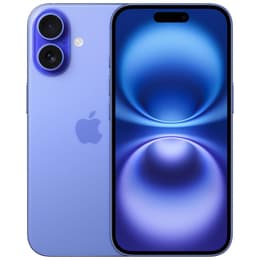
iPhone 16
iPhone 16
Starting at

Refurbished price:£475.00

Versus £699.00 new

See options
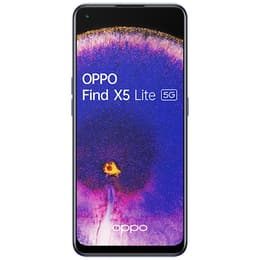
Oppo Find X5
Oppo Find X5
Starting at

Refurbished price:£296.00

Versus £816.65 new

See options

Ratings

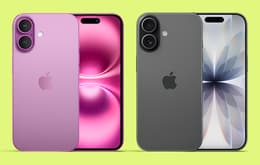
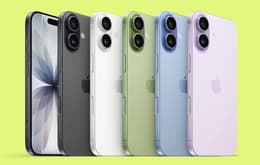
The iPhone 16, released in September 2024, and the Oppo Find X5, launched in February 2022, represent different generations and operating system ecosystems within the smartphone market. While both devices offer advanced features for communication and entertainment, they diverge significantly in their core hardware, software support timelines, and specific user experiences. The iPhone 16 operates on Apple's iOS platform, known for its integrated ecosystem, whereas the Oppo Find X5 runs on Android with Oppo's ColorOS overlay, offering a more customizable experience.

Scores

Durability

When considering the practical lifespan of these devices, their release dates and manufacturer support policies are key factors. The iPhone 16, being a more recent release, benefits from a longer expected period of software updates and security patches compared to the Oppo Find X5.

  • Software Longevity: The iPhone 16, released in September 2024, is expected to receive major iOS updates for approximately six to seven years from its launch. In contrast, the Oppo Find X5, launched in February 2022, typically received three major Android OS updates (up to Android 15) and four years of security updates, concluding around February 2026. This difference means the iPhone 16 will remain current with the latest software features and security enhancements for a considerably longer duration.
  • Physical Durability: Both devices incorporate robust build materials. The iPhone 16 features a Ceramic Shield front and an aluminum frame, contributing to its overall resilience and offering IP68 water and dust resistance. The Oppo Find X5 uses Gorilla Glass Victus for its front display and a glass back with an aluminum frame, providing a good level of protection, though it carries an IP54 rating, indicating splash resistance rather than full submersion protection.
  • Repairability and Support: While specific repairability scores can vary, Apple generally provides extensive support and parts availability for its devices for several years post-launch. The Oppo Find X5, as an older Android device, may see diminishing availability of official parts and specialized repair services over time, potentially impacting its long-term practical lifespan for users seeking official support.

Year of Release

2024

2022

Compatible with latest Update

Yes

Yes

Foldable

No

No

Performance

The performance capabilities of the iPhone 16 and Oppo Find X5 reflect their respective generational advancements and architectural designs, influencing how smoothly they handle various tasks and applications.

  • Processing Power: The iPhone 16 is equipped with a current-generation Apple A18 chip, featuring a 6-core CPU, a 5-core GPU, and an enhanced 16-core Neural Engine. This hardware is designed for efficient handling of demanding applications, complex multitasking, and advanced AI features, offering a significant performance uplift compared to its predecessors. The Oppo Find X5 is powered by the Qualcomm Snapdragon 888 5G processor, which was a flagship chip at its release. It provides capable performance for everyday use, gaming, and multitasking, though it represents an older generation of mobile processing technology.
  • System Responsiveness and Multitasking: The iPhone 16's optimized hardware and software integration result in fluid navigation, rapid app loading, and efficient management of multiple applications simultaneously. Its 8GB of RAM further supports smooth transitions and background process handling. The Oppo Find X5, with 8GB of RAM, also offers a responsive user experience for most tasks, but may show more noticeable delays or less seamless transitions when running numerous intensive applications concurrently due to its older processor architecture.
  • Battery Behavior: The iPhone 16 features an optimized battery system, providing up to 22 hours of offline video playback, and supports faster wired (40W) and wireless (22W MagSafe) charging. Users can expect reliable all-day power for typical usage. The Oppo Find X5 houses a 4800 mAh battery, which generally provides a full day of use for most users, often extending into a second day with moderate usage. It supports 80W wired and 30W wireless charging, allowing for quick recharges.

Memory (GB)

8 GB

8 GB

Screen quality

The visual experience on both the iPhone 16 and Oppo Find X5 is delivered through high-quality displays, though with differences in their underlying technology and specifications that cater to varying user preferences.

  • Display Technology and Clarity: The iPhone 16 features a 6.1-inch Super Retina XDR OLED display with a resolution of 2556 x 1179 pixels, resulting in a pixel density of approximately 460 pixels per inch (ppi). This OLED panel delivers deep blacks, high contrast, and accurate color reproduction. The Oppo Find X5 comes with a 6.55-inch AMOLED display, offering a resolution of 1080 x 2400 pixels (FHD+) and a pixel density of 402 ppi. Its AMOLED technology also provides vibrant colors and strong contrast.
  • Brightness and Refresh Rate: For outdoor visibility and HDR content, the iPhone 16 offers a typical maximum brightness of 1000 nits, a peak HDR brightness of 1600 nits, and can reach up to 2000 nits peak brightness outdoors. The standard iPhone 16 models maintain a fixed 90Hz refresh rate. The Oppo Find X5's display has a maximum brightness of 1000 nits and supports a 120Hz refresh rate, contributing to smoother scrolling and more fluid animations.
  • Viewing Experience: The iPhone 16's display, while slightly smaller, offers higher pixel density and superior peak brightness, which can enhance detail and visibility in bright conditions. The Oppo Find X5 provides a larger screen area and a higher refresh rate, which can be beneficial for users who prioritize a more expansive and fluid visual experience, particularly in gaming or fast-paced content.

Resolution

1179 x 2556

1080 x 2400

Screen type

Super Retina XDR OLED

AMOLED

Audiovisual

The camera systems on the iPhone 16 and Oppo Find X5 are designed to capture high-quality images and videos, each with its own strengths and features tailored for different photographic scenarios.

  • Rear Camera Capabilities: The iPhone 16 is equipped with a dual-camera system featuring a 48-megapixel main sensor with an f/1.6 aperture and optical image stabilization (OIS), alongside a 12-megapixel ultrawide camera with an f/2.2 aperture. It also supports macro photography and a vertical camera layout for Spatial Video capture. The Oppo Find X5 features a triple-camera setup, including a 50-megapixel main sensor with f/1.8 aperture and OIS, a 50-megapixel ultrawide lens with f/2.2 aperture, and a 13-megapixel telephoto lens offering 2x optical zoom.
  • Photography Performance: The iPhone 16's larger main sensor and advanced computational photography are expected to deliver strong low-light performance and detailed images across various conditions. The Oppo Find X5's dual 50-megapixel sensors for main and ultrawide shots, combined with its dedicated imaging NPU (MariSilicon X), contribute to its capability in capturing detailed and color-accurate photos, particularly in challenging lighting.
  • Video Recording and Audio: Both devices are capable of recording high-quality video. The iPhone 16 supports 4K video recording at 60 frames per second and offers enhanced stabilization and features like Spatial Video. The Oppo Find X5 also records 4K video at 30/60 frames per second. For audio, both phones provide stereo speakers for media consumption, and their microphones are designed for clear call quality and audio recording.

Main camera

48 megapixels

50 megapixels

Front camera

12 megapixels

32 megapixels

Miscellaneous

Beyond their core functionalities, both the iPhone 16 and Oppo Find X5 offer a range of practical features and design elements that influence daily usability and overall user experience.

  • Connectivity and Ports: The iPhone 16 supports the latest Wi-Fi 7 standard, offering faster and more reliable wireless connections, along with Bluetooth 5.3 and enhanced 5G capabilities. It features a USB-C port, though with USB 2.0 data transfer speeds. The Oppo Find X5 includes Wi-Fi 6 (802.11ax), Bluetooth 5.2, and 5G connectivity. It also uses a USB Type-C 2.0 port.
  • Security and Interaction: The iPhone 16 relies on Face ID for secure authentication and introduces both an Action Button and a new capacitive Capture Button, offering customizable shortcuts and enhanced camera controls. The Oppo Find X5 utilizes an in-display optical fingerprint sensor for biometric security.
  • Design and Handling: The iPhone 16 measures 147.6 x 71.6 x 7.8 mm and weighs 170 grams, presenting a compact and relatively lightweight profile. The Oppo Find X5 is slightly larger and heavier at 160.3 x 72.6 x 8.7 mm and 196 grams. Both devices feature premium build materials, with the iPhone 16 using Ceramic Shield and aluminum, and the Oppo Find X5 combining Gorilla Glass Victus and an aluminum frame.

Weight

170 g

196 g

Screen size (in)

6.1

6.55

Mobile network

5G

5G

SIM card

Physical SIM + eSIM

Physical SIM + eSIM

Carrier compatibility

Unlocked

Unlocked

Connector

USB-C (USB 2)

USB-C

The iPhone 16 and Oppo Find X5 cater to different user priorities, reflecting their distinct release timelines and ecosystem approaches. Users often praise the iPhone 16 for its extended software support, robust performance for demanding tasks, and advanced camera features, particularly its computational photography and Spatial Video capabilities. Some common feedback for the iPhone series includes appreciation for its integrated ecosystem and consistent user experience. Conversely, the Oppo Find X5, while an older model, is frequently noted by users for its vibrant 120Hz AMOLED display, fast charging speeds, and capable camera system at its time of release. Criticisms for the Oppo Find X5 sometimes point to its shorter software update lifespan compared to newer devices and its IP54 rating, which offers less water protection than some flagships.

For individuals prioritizing long-term software support, cutting-edge processing power, and a highly integrated ecosystem with advanced security and camera features, the iPhone 16 presents a compelling option. Its newer hardware and longer update cycle make it suitable for users who intend to keep their device for many years. On the other hand, users who value a larger, high-refresh-rate display, rapid charging capabilities, and the flexibility of the Android operating system might find the Oppo Find X5 still meets their needs, especially if they are comfortable with an older software support timeline. Both devices can be excellent choices depending on individual preferences, and exploring quality-assured refurbished options for either model can provide an eco-friendly alternative for consumers seeking reliable technology.

See all articles

Our recent comparisons