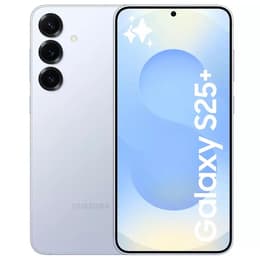


Galaxy S25+ Vs Xiaomi Redmi Note 11 Pro 5G

Galaxy S25+
Galaxy S25+
Starting at

Refurbished price:£549.00

Versus £958.39 new

See options
Xiaomi Redmi Note 11 Pro 5G
Starting at

Refurbished price:£102.00

Versus £599.00 new

See options

Ratings

The Samsung Galaxy S25 Plus, a flagship smartphone released in February 2025, and the Xiaomi Redmi Note 11 Pro 5G, a mid-range device launched in January 2022, represent distinct tiers and generations within the Android smartphone market. While both offer a comprehensive smartphone experience, the Galaxy S25 Plus introduces significant advancements in processing power, display technology, and long-term software support, setting it apart from the Redmi Note 11 Pro 5G.

Scores

Durability

The longevity of a smartphone is influenced by its release timeline, software support, and physical durability. These two devices show a notable difference in their expected practical lifespans.

  • Release Timeline: The Galaxy S25 Plus was released in February 2025, making it a current-generation flagship device. In contrast, the Redmi Note 11 Pro 5G was launched in January 2022, positioning it as an older mid-range model. This age difference directly impacts their remaining support cycles.
  • Software Longevity: Samsung has committed to an extensive seven years of operating system and security updates for the Galaxy S25 Plus, ensuring support until approximately 2032. This means the device will receive major Android version upgrades and regular security patches for a prolonged period. The Redmi Note 11 Pro 5G launched with Android 11 and is expected to receive its last major Android version update as Android 13. Its security update frequency is likely to be less consistent or may have concluded by now, offering a shorter period of guaranteed software support. [5, 9, 18, 25, 26]
  • Physical Durability: The Galaxy S25 Plus features an Armor Aluminum frame and is protected by Corning Gorilla Glass Victus 2 on both the front and back, alongside an IP68 rating for water and dust resistance. This provides robust protection against environmental elements and accidental damage. The Redmi Note 11 Pro 5G uses Corning Gorilla Glass 5 for screen protection and does not carry an official IP rating for water and dust resistance, suggesting a lower level of physical resilience. [1, 8, 19]

Year of Release

2025

2022

OS

Android

Android

Foldable

No

No

Performance

Performance is a key differentiator, impacting how smoothly applications run, how quickly tasks are completed, and the overall responsiveness of the device.

  • Processing Capabilities: The Galaxy S25 Plus is equipped with a current-generation flagship processor, designed to handle demanding applications, intensive multitasking, and advanced mobile gaming with ease. This results in rapid app loading times and fluid navigation. The Redmi Note 11 Pro 5G features a mid-range processor, which capably manages everyday tasks and lighter applications. However, it may exhibit slower loading times and less consistent performance with graphically intensive games or numerous applications running simultaneously. [1, 7, 8, 19]
  • System Responsiveness and Multitasking: With its advanced processing unit and ample internal memory, the Galaxy S25 Plus offers exceptional system responsiveness, allowing users to switch between applications and manage multiple tasks without noticeable delays. The Redmi Note 11 Pro 5G provides a satisfactory experience for typical usage, but heavy multitasking might lead to occasional pauses or slower transitions. [1, 6, 11]
  • Storage Speed: The Galaxy S25 Plus utilizes UFS 4.0 storage, which offers significantly faster read and write speeds, contributing to quicker app installations, file transfers, and overall system snappiness. The Redmi Note 11 Pro 5G uses UFS 2.2 storage, which is competent for its class but does not match the speed of the newer standard. [3, 6]

Memory (GB)

12 GB

6 GB

Screen quality

The display is the primary interface for user interaction, and both devices offer distinct visual experiences.

  • Display Technology and Clarity: The Galaxy S25 Plus features a 6.7-inch Dynamic AMOLED 2X display with a QHD+ resolution (1440x3120 pixels), providing exceptional sharpness and detail, particularly noticeable when viewing high-resolution content. The Redmi Note 11 Pro 5G has a 6.67-inch Super AMOLED display with a Full HD+ resolution (1080x2400 pixels), offering vibrant colors and good clarity for everyday use. [1, 4, 6, 9, 10, 19]
  • Brightness and Refresh Rate: Both phones feature a 120Hz refresh rate, contributing to smooth scrolling and fluid animations. The Galaxy S25 Plus boasts a peak brightness of 2600 nits, ensuring excellent visibility even in bright outdoor conditions. The Redmi Note 11 Pro 5G offers a peak brightness of 1200 nits, which is also capable for outdoor viewing, though less intense than the Galaxy S25 Plus. [1, 6, 7, 10, 11]
  • Viewing Experience: The higher resolution and superior peak brightness of the Galaxy S25 Plus provide a more immersive and detailed viewing experience, beneficial for media consumption and productivity. The Redmi Note 11 Pro 5G's display delivers a good visual experience for its category, suitable for general browsing, social media, and video streaming. [1, 7, 10, 19]

Resolution

1440x3120

1080 x 2400

Audiovisual

Camera capabilities are a significant factor for many users, and these devices offer different photographic strengths.

  • Rear Camera Systems: The Galaxy S25 Plus features a versatile triple-camera setup, including a 50 MP main sensor with optical image stabilization, a 12 MP ultra-wide lens, and a 10 MP telephoto lens with 3x optical zoom. This configuration allows for detailed photos across various scenarios and offers optical zoom for distant subjects. The Redmi Note 11 Pro 5G comes with a 108 MP main sensor, an 8 MP ultrawide lens, and a 2 MP macro lens. While its main sensor has a high megapixel count, the overall system is geared towards general photography. [1, 8, 9, 19]
  • Photography Performance: The Galaxy S25 Plus is designed to deliver high-quality images with strong detail, dynamic range, and color accuracy, performing well in diverse lighting conditions, including low light. Its telephoto lens provides flexibility for capturing subjects at a distance. The Redmi Note 11 Pro 5G captures clear and vibrant photos in good lighting, with its high-resolution main sensor capable of producing detailed shots. Its low-light performance and versatility with zoom are more limited compared to the Galaxy S25 Plus. [1, 7, 8, 19]
  • Video Recording: The Galaxy S25 Plus offers advanced video recording capabilities, including features like log video recording, providing more flexibility for professional-grade video capture. The Redmi Note 11 Pro 5G supports video recording up to 1080p, which is suitable for casual video capture and sharing. [5, 7, 8]

Miscellaneous

Beyond core features, several practical elements contribute to the overall user experience and device utility.

  • Connectivity and Ports: Both devices support 5G connectivity for fast mobile data. The Galaxy S25 Plus features a USB Type-C 3.1 Gen 1 port, offering faster data transfer speeds and DisplayPort functionality. The Redmi Note 11 Pro 5G includes a USB Type-C 2.0 port and retains a 3.5mm headphone jack, which may be a consideration for users with wired audio accessories. [1, 6, 10, 21]
  • Biometric Security: The Galaxy S25 Plus incorporates an in-screen ultrasonic fingerprint sensor for secure and convenient unlocking. The Redmi Note 11 Pro 5G features a side-mounted fingerprint sensor, which is also responsive and integrated into the power button. [1, 6]
  • Build Materials and Handling: The Galaxy S25 Plus utilizes an Armor Aluminum frame, contributing to a premium feel and enhanced structural integrity. It weighs 190g and measures 7.3mm thick. The Redmi Note 11 Pro 5G has a glass front and back with a plastic frame, weighing 202g and measuring 8.1mm thick. These differences affect the in-hand feel and overall perceived robustness. [1, 3, 7, 8, 10]

Weight

190 g

202 g

Screen size (in)

6.7

6.67

Mobile network

5G

5G

SIM card

Dual Physical SIM

Dual Physical SIM

Carrier compatibility

Unlocked

Unlocked

The Samsung Galaxy S25 Plus and the Xiaomi Redmi Note 11 Pro 5G cater to different user needs and expectations, largely due to their generational and market positioning. Users often praise the Galaxy S25 Plus for its exceptional performance, vibrant and sharp display, and its long-term software support, which ensures the device remains current and secure for many years. Some common feedback highlights its advanced camera system and robust build quality. [9, 11, 19]

Conversely, the Xiaomi Redmi Note 11 Pro 5G is frequently noted for its capable Super AMOLED display with a high refresh rate, its large battery capacity with fast charging, and its generally reliable performance for everyday tasks. Users appreciate its inclusion of a 3.5mm headphone jack and expandable storage. However, some users have expressed concerns regarding its more limited software update longevity and its performance with very demanding applications compared to flagship devices. [1, 5, 7, 10]

Users prioritizing cutting-edge performance, a top-tier camera system, superior display clarity, and extended software support will find the Galaxy S25 Plus well-suited to their needs. Its robust build and long update commitment make it a strong choice for those seeking a device with a longer practical lifespan. On the other hand, users who value a good quality display, long battery life with rapid charging, and solid performance for general use, while being mindful of a more budget-conscious approach, may lean toward the Redmi Note 11 Pro 5G. For those considering either device, exploring quality-assured refurbished options can provide an eco-friendly alternative, extending the life cycle of these electronics and offering a sustainable choice.


See all articles

Our recent comparisons