iPhone SE (2020) Vs Xiaomi Redmi Note 11 Pro 5G

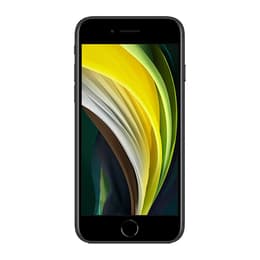
iPhone SE (2020)
iPhone SE (2020)
Starting at

Refurbished price:£67.00

Versus £289.00 new

See options
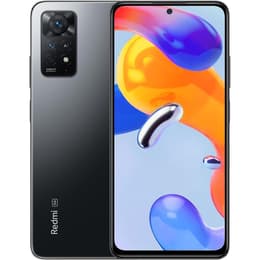
Xiaomi Redmi Note 11 Pro 5G
Starting at

Refurbished price:£102.00

Versus £599.00 new

See options

Ratings

The iPhone SE (2020) and the Xiaomi Redmi Note 11 Pro 5G represent two distinct approaches to the smartphone experience from the early 2020s. The iPhone SE, released in 2020, offers a compact design with a familiar interface, while the Xiaomi Redmi Note 11 Pro 5G, launched in 2022, focuses on a large-screen experience with modern display technology. These devices cater to different user needs, with the iPhone running Apple's iOS and the Xiaomi utilising the Android operating system with its own custom interface.

Scores

Durability

The iPhone SE (2020) and the Xiaomi Redmi Note 11 Pro 5G differ significantly in their expected software lifespans and physical builds.

  • Software Longevity: The iPhone SE (2020) typically receives system updates for six to seven years from its release, meaning it is approaching the later stages of its supported life in 2026. In contrast, the Xiaomi Redmi Note 11 Pro 5G, being two years newer, may still receive security updates, though major Android version upgrades often conclude sooner than Apple's equivalents.
  • Physical Resilience: The iPhone features a glass and aluminium build with a high level of water and dust resistance, making it sturdy against accidental splashes. The Xiaomi uses a glass back and a plastic frame, offering a solid feel, though its water resistance rating is generally lower, protecting primarily against light rain or minor splashes.
  • Repairability: Both devices have widely available replacement parts, though the iPhone's popularity often makes it easier to find local repair services for screen or battery replacements.

Year of Release

2020

2022

Compatible with latest Update

Yes

No

OS

iOS

Android

Foldable

No

No

Performance

Daily performance on these two handsets is shaped by their internal efficiency and how they manage power during typical tasks.

  • System Responsiveness: The iPhone SE (2020) provides a very fluid experience when navigating the interface and opening apps, maintaining a high level of speed even years after its launch. The Xiaomi Redmi Note 11 Pro 5G handles multitasking effectively, allowing users to keep multiple apps open in the background without significant slowdowns.
  • Battery Endurance: There is a notable difference in how long these devices last between charges. The iPhone SE has a smaller battery capacity, which may require a midday top-up for users who frequently stream video or use navigation apps. The Xiaomi is designed with a much larger battery, comfortably lasting through a full day of heavy use and supporting very fast charging speeds to quickly replenish power.
  • Storage and Connectivity: The Xiaomi includes 5G capabilities for faster mobile data speeds in supported areas, whereas the iPhone SE (2020) is limited to 4G networks.

Memory (GB)

3 GB

6 GB

Screen quality

The viewing experience is perhaps the most immediate difference between these two smartphones, affecting everything from reading text to watching videos.

  • Display Technology: The Xiaomi Redmi Note 11 Pro 5G features a large AMOLED display, which provides deep black levels and high contrast, making colours appear very vibrant. The iPhone SE (2020) uses a traditional LCD screen that offers natural colour reproduction and good clarity, though it lacks the deep blacks found on the Xiaomi.
  • Smoothness and Motion: The Xiaomi supports a high refresh rate, which makes scrolling through social media feeds and system menus feel exceptionally smooth. The iPhone uses a standard refresh rate, which is functional and consistent but lacks the fluid motion seen on the newer Xiaomi model.
  • Outdoor Visibility: While both screens are legible in most conditions, the Xiaomi's display can reach higher brightness levels, which is helpful for viewing content under direct sunlight.

Resolution

750 x 1334

1080 x 2400

Screen type

Retina IPS LCD

Super AMOLED

Audiovisual

Photography and video capabilities on these devices reflect their different design philosophies, with one focusing on simplicity and the other on versatility.

  • Photo Versatility: The Xiaomi Redmi Note 11 Pro 5G utilises a multi-lens system, including a high-resolution main sensor and an ultra-wide lens that is ideal for capturing expansive landscapes or group photos. The iPhone SE (2020) relies on a single rear camera that takes clear, well-balanced photos in daylight but lacks the flexibility of an ultra-wide or macro lens.
  • Video and Low Light: The iPhone is often praised for its video stability and natural skin tones in recordings. However, it does not feature a dedicated night mode for photography, meaning photos taken in very dark environments may lack detail. The Xiaomi includes software enhancements to help with low-light photography, producing brighter images in dim settings.
  • Audio Experience: The Xiaomi features dual speakers that provide a louder and more immersive sound for media, while the iPhone's speakers are clear but limited by the device's smaller physical size.

Main camera

12 megapixels

108 megapixels

Front camera

7 megapixels

16 megapixels

Miscellaneous

Practical features like physical ports and security sensors play a large role in the day-to-day convenience of using these smartphones.

  • Biometrics and Ports: The iPhone SE (2020) uses a front-mounted fingerprint sensor integrated into the home button, which many users find intuitive. It uses a proprietary Lightning port for charging. The Xiaomi features a fingerprint sensor built into the side power button and uses the universal USB-C standard, which is compatible with most modern laptop and tablet chargers.
  • Physical Handling: The iPhone is significantly smaller and lighter, making it one of the few modern devices that is truly easy to use with one hand. The Xiaomi is much larger and heavier, which provides more screen space but may feel bulky in smaller pockets or hands.
  • Extra Features: The Xiaomi includes a headphone jack, allowing for the use of wired earphones without an adapter, and an infrared blaster that can act as a remote control for household appliances.

Weight

148 g

202 g

Screen size (in)

4.7

6.67

Mobile network

4G

5G

SIM card

Physical SIM + eSIM

Dual Physical SIM

Carrier compatibility

Unlocked

Unlocked

User consensus on these two devices often highlights the trade-off between portability and modern features. On community forums, iPhone SE (2020) owners frequently praise the device for its compact size and the reliability of the iOS ecosystem, though many note that the battery life can be a challenge for power users. Xiaomi Redmi Note 11 Pro 5G users often express satisfaction with the vibrant, smooth display and the long-lasting battery, while some find the larger physical dimensions and the custom software interface to be a bit more complex than they prefer.

Users who prioritise a small, lightweight phone that is easy to operate with one hand and fits into any pocket will likely find the iPhone SE (2020) to be a suitable choice. Conversely, those who prioritise media consumption, long battery life, and a large, modern screen for gaming or watching videos may lean toward the Xiaomi Redmi Note 11 Pro 5G. Choosing a quality-assured refurbished option for either of these models is an eco-friendly alternative that helps reduce electronic waste. Both devices remain functional choices in 2026, and selecting a sustainable choice allows users to access these technologies while supporting a more circular economy. Ultimately, the decision rests on whether a user values the simplicity and compactness of the iPhone or the expansive features and endurance of the Xiaomi.

See all articles

Our recent comparisons