
Compare models
iPad Pro (2018, A12 series) Vs iPad Pro (2020, A12 series)
- 1-year minimum warranty
- Free delivery on all items
- Free 30-day returns
Differences at a glance
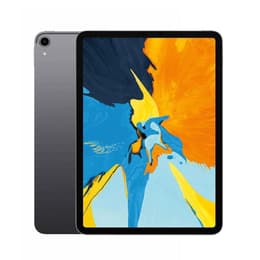
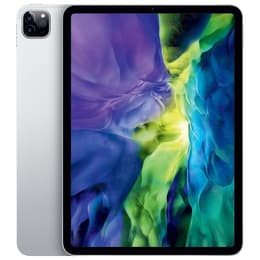
The iPad Pro (2018) and the iPad Pro (2020) are high-performance tablet computers designed for creative workflows, multitasking, and media consumption. While both generations share a nearly identical exterior design and screen size options, the 2020 model introduces internal refinements such as increased standard memory and a secondary camera lens. Both tablets run on iPadOS, providing a consistent software interface and feature set across daily usage scenarios.
Available Models
Colour
Storage
Scores
Durability
Evaluating the lifecycle and expected longevity of these devices involves looking at release timelines, software update support, and maintenance ease. Both options maintain durable aluminum enclosures, though age-related battery degradation is a factor to consider for units originating from these release years.
- Software Support: Both models receive regular iPadOS updates from Apple, though the 2020 version benefits from a two-year extension in its overall support window.
- Repairability: Component replacement follows standard industry tablet designs, where professional repair services are typically required for screen or battery swaps.
- Lifespan Expectations: Choosing a quality-assured refurbished option provides an eco-friendly alternative that extends the useful life of enterprise-grade hardware.
Year of Release
2018
2020
Compatible with latest Update
Yes
Yes
OS
iPadOS
iPadOS
Maximum Operating System supported
iPadOS 18
iPadOS 18
Performance
Performance capabilities vary primarily in how each device manages multitasking workloads and system memory configurations. Both models handle demanding applications, web browsing, and media editing smoothly, but differ in baseline hardware allocation.
- Memory Allocation: The 2018 model features variable random access memory depending on storage capacity, whereas the 2020 version includes a higher baseline memory configuration across all storage tiers for improved multitasking.
- System Responsiveness: Both tablets deliver fluid app switching and handle resource-heavy creative software efficiently without noticeable stutter during everyday tasks.
- Storage Configurations: Multiple tier options cater to different user requirements, ranging from standard capacity setups to expansive storage for large media libraries.
Processor
Apple A12X Bionic
Apple A12Z Bionic
Screen quality
The visual experience on both tablets relies on advanced Liquid Retina display technology with high pixel densities and accurate color reproduction. Both generations deliver sharp text, vibrant imagery, and smooth motion handling.
- Display Technology: Both models utilize fully laminated IPS LCD panels featuring wide color support and ambient light adaptation for comfortable viewing in various lighting conditions.
- Motion Smoothness: High refresh rate technology ensures that scrolling through documents and drawing with digital styluses occurs with minimal latency.
- Outdoor Usability: Peak brightness levels remain consistent across both generations, allowing for clear visibility in brightly lit environments or outdoor settings.
Resolution
2388 x 1668
2388 x 1668
True Tone
Yes
Yes
Pro-Motion
Yes
Yes
Screen type
Liquid Retina display
Pixel density
264ppp
264ppp
Brightness
600 nits brightness
600 nits brightness max
Sound quality
Speakers
Four speaker audio
Four speaker audio
Audiovisual
Optics and audio capabilities differ notably between the two generations, particularly regarding rear camera versatility and spatial scanning hardware. Media consumption features remain robust across both models.
- Camera Systems: The 2018 model relies on a single rear camera lens, while the 2020 version adds an ultra-wide lens and a depth-sensing sensor designed to assist with spatial measurements and augmented reality applications.
- Audio Output: Both tablets incorporate a quad-speaker array that dynamically adjusts sound staging based on the physical orientation of the device.
- Recording Quality: Video capture and microphone arrays provide clear voice pickup for virtual meetings and high-definition video recording.
Miscellaneous
Physical dimensions and connectivity options are largely shared between these generations, preserving compatibility with standard ecosystem accessories like magnetic keyboards and digital styluses.
- Build and Handling: Both devices feature flat edges, slim profiles, and face recognition security sensors, with the 2020 edition carrying a fractionally higher weight due to its expanded internal camera hardware.
- Connectivity: Universal USB-C ports support external displays, data transfer, and charging, paired with fast wireless local network standards.
- Accessory Compatibility: Both generations support magnetic second-generation styluses that charge directly on the frame of the tablet.
Weight
468 g
473 g
Width
17.85 cm
17.85 cm
Height
24.76 cm
24.76 cm
Depth
0.59 cm
0.59 cm
Screen size (in)
11
11
Network
Wi-Fi
Wi-Fi + 5G
Carrier compatibility
Without SIM Port
Unlocked
Wi-Fi technology
Wi-Fi 6 802.11a/b/g/n/ac
Wi-Fi 6 802.11ax
Bluetooth Version
Bluetooth 5.0
Bluetooth 5.0
Face ID
Yes
Yes
Touch ID
No
No
Connector
USB Type-C
USB Type-C
What the community thinks
User feedback from online communities highlights consistent praise for the robust build quality, sharp displays, and reliable long-term performance of both tablet generations. Common discussions often center around whether the extra camera lens and baseline memory upgrade of the newer generation justify the choice over its predecessor. Users prioritizing basic media consumption, reading, and standard app usage frequently find that the 2018 model satisfies their requirements effectively. Conversely, users who engage with augmented reality tools, require expanded baseline memory for heavier app switching, or prefer an extended software support window often lean toward the 2020 generation. Selecting either device as a quality-assured refurbished option offers a sustainable choice that balances capability with ecological responsibility. Ultimately, alignment with personal workflow needs serves as the primary deciding factor between these two reliable devices.