iPhone 12 Pro Vs Xiaomi Redmi Note 11 Pro 5G

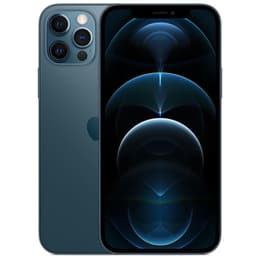
iPhone 12 Pro
iPhone 12 Pro
Starting at

Refurbished price:£205.00

Versus £879.00 new

See options
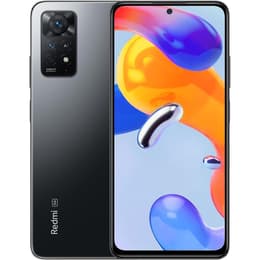
Xiaomi Redmi Note 11 Pro 5G
Starting at

Refurbished price:£102.00

Versus £599.00 new

See options

Ratings

The iPhone 12 Pro, released in late 2020, and the Xiaomi Redmi Note 11 Pro 5G, launched in early 2022, represent two different approaches to the modern smartphone experience. While the iPhone 12 Pro was designed as a high-end flagship with a focus on build quality and professional-grade photography, the Redmi Note 11 Pro 5G targets the mid-range market with a focus on display size and rapid charging capabilities. These devices operate on different platforms—iOS and Android respectively—offering distinct user interfaces and app ecosystems for different consumer preferences.

Scores

Durability

The iPhone 12 Pro and Redmi Note 11 Pro 5G differ significantly in their expected software support and physical construction, which impacts their long-term utility.

  • Software Longevity: Apple typically provides software updates for its devices for six to seven years, meaning the iPhone 12 Pro is expected to remain current until approximately 2027. In contrast, the Redmi Note 11 Pro 5G generally receives fewer major Android updates, which may limit its long-term compatibility with the latest apps compared to the Apple device.
  • Build Materials: The iPhone 12 Pro features a stainless steel frame and Ceramic Shield glass, designed for high resistance to drops and scratches. The Redmi Note 11 Pro 5G uses a glass back but relies on a plastic frame, which is lighter but may not offer the same structural rigidity over several years of intensive use.
  • Repairability: Both devices have established repair networks, though the Xiaomi model's internal layout often makes certain components like the screen or battery more straightforward to replace for independent technicians, whereas the iPhone requires more specialized tools for internal access.

Year of Release

2020

2022

Compatible with latest Update

Yes

No

OS

iOS

Android

Foldable

No

No

Performance

While both phones handle daily tasks with ease, their internal capabilities cater to different levels of intensity and multitasking needs.

  • System Responsiveness: The iPhone 12 Pro utilizes a high-performance processor that remains highly capable for demanding tasks such as 4K video editing and intensive mobile gaming without lag. The Redmi Note 11 Pro 5G is equipped with a processor optimized for efficiency, handling social media, web browsing, and standard apps smoothly, though it may show slight delays during heavy multitasking.
  • Battery and Charging: The Redmi Note 11 Pro 5G features a large battery capacity that comfortably lasts through a full day of heavy use, complemented by very fast charging that can fill the battery in under an hour. The iPhone 12 Pro has a smaller battery that relies on software efficiency to reach the end of the day, with more moderate charging speeds.
  • Storage and Memory: The iPhone 12 Pro offers generous internal memory for keeping multiple apps open simultaneously, while the Redmi Note 11 Pro 5G provides the flexibility of expandable storage via a microSD card slot, a feature absent in the Apple device.

Memory (GB)

6 GB

6 GB

Screen quality

The viewing experience on these two devices is shaped by different priorities in display technology, specifically regarding size and smoothness.

  • Display Technology: The iPhone 12 Pro uses a 6.1-inch OLED screen known for its high color accuracy and deep blacks, making it well-suited for photo editing and high-definition content. The Redmi Note 11 Pro 5G features a larger 6.67-inch AMOLED display, providing more screen real estate for watching videos or reading.
  • Refresh Rate: A key differentiator is the refresh rate; the Redmi Note 11 Pro 5G offers a 120Hz display, which makes scrolling through lists and navigating the interface appear much smoother than the standard 60Hz screen on the iPhone 12 Pro.
  • Outdoor Visibility: Both screens offer high brightness levels, but the Redmi Note 11 Pro 5G has a slightly higher peak brightness, which can make the screen easier to read under direct sunlight during outdoor use.

Resolution

1170 x 2532

1080 x 2400

Screen type

Super Retina XDR OLED

Super AMOLED

Audiovisual

Photography and media consumption are central to both devices, though the iPhone 12 Pro leans toward professional consistency while the Redmi Note 11 Pro 5G focuses on high resolution.

  • Camera Versatility: The iPhone 12 Pro features a triple-camera system including a dedicated telephoto lens for optical zooming and a LiDAR scanner for faster focusing in low light. The Redmi Note 11 Pro 5G uses a high-resolution 108MP main sensor that captures significant detail in bright light but lacks a dedicated zoom lens.
  • Video Capabilities: For users who record video, the iPhone 12 Pro provides professional-grade features like Dolby Vision recording and superior stabilization. The Redmi Note 11 Pro 5G is more limited in video resolution and frame rates, making it better suited for casual social media clips rather than cinematic projects.
  • Audio Experience: The Redmi Note 11 Pro 5G includes a traditional 3.5mm headphone jack, allowing for the use of wired headphones without adapters. The iPhone 12 Pro relies on wireless connections or a port adapter but offers a more balanced and immersive stereo speaker setup for built-in audio.

Main camera

12 megapixels

108 megapixels

Front camera

12 megapixels

16 megapixels

Miscellaneous

Practical daily usage is influenced by the physical dimensions and connectivity options of each smartphone.

  • Biometrics and Security: The iPhone 12 Pro uses FaceID, a sophisticated facial recognition system that works in various lighting conditions. The Redmi Note 11 Pro 5G utilizes a fingerprint sensor integrated into the power button, which many users find convenient for quick unlocking while the phone is on a desk.
  • Connectivity: Both devices support 5G networks for fast mobile data speeds. However, the Redmi Note 11 Pro 5G includes an infrared port, allowing it to function as a remote control for household appliances, a niche but practical feature for many users.
  • Portability and Handling: The iPhone 12 Pro is more compact and easier to use with one hand due to its smaller screen and slim profile. The Redmi Note 11 Pro 5G is noticeably larger and heavier, which may be a consideration for users with smaller hands or those who prefer lightweight devices.

Weight

187 g

202 g

Screen size (in)

6.1

6.67

Mobile network

5G

5G

SIM card

Physical SIM + eSIM

Dual Physical SIM

Carrier compatibility

Unlocked

Unlocked

Choosing between the iPhone 12 Pro and the Xiaomi Redmi Note 11 Pro 5G involves weighing long-term software support against modern display features. User consensus on community forums often highlights the iPhone 12 Pro for its exceptional video quality and the seamless nature of the iOS ecosystem, though some users note that its battery life is more modest compared to newer models. Conversely, the Redmi Note 11 Pro 5G receives praise for its exceptionally fast charging and the fluid 120Hz screen, while some users find the software interface to be less intuitive than other platforms.

Users who prioritize a compact design, professional video tools, and a device that will receive software updates for many years will likely find the iPhone 12 Pro to be the more suitable choice. On the other hand, users who prefer a large screen for media consumption, the convenience of a headphone jack, and the ability to fully recharge their phone in a very short time may lean toward the Redmi Note 11 Pro 5G. For those looking to make a sustainable choice, opting for a quality-assured refurbished option of either device is an eco-friendly alternative that extends the life of existing technology. Ultimately, both smartphones offer reliable performance for modern needs, with the decision resting on whether one values premium build and longevity or a large, smooth display and rapid power delivery.

See all articles

Our recent comparisons