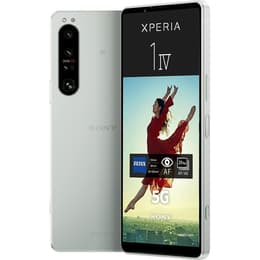

Galaxy A13 Vs Sony Xperia 1 IV

Galaxy A13
Galaxy A13
Starting at

Refurbished price:£73.00

Versus £249.00 new

See options
Sony Xperia 1 IV
Sony Xperia 1 IV
Starting at

Refurbished price:£347.00

Versus £1,500.00 new

See options

Ratings

The Samsung Galaxy A13 and the Sony Xperia 1 IV, both released in 2022, cater to distinct segments of the smartphone market. While the Galaxy A13 is positioned as an accessible device for everyday use, the Xperia 1 IV is a high-end flagship designed for users who prioritize advanced multimedia capabilities and performance. These differences are evident across their core specifications, from display technology to camera systems and processing power, offering varied experiences for different user needs.

Scores

Durability

The expected practical lifespan of a smartphone is influenced by its build quality, software support, and the demands of evolving applications. Both devices offer a reasonable lifespan, though with different considerations.

  • Software Longevity: The Samsung Galaxy A13, released in March 2022, typically receives two major Android OS updates and four years of security updates, with security patches continuing until late 2025. The Sony Xperia 1 IV, launched in May 2022, generally receives two major Android updates and three years of security updates. This means the Galaxy A13 may offer slightly longer security support, while both have received their major OS updates.
  • Build Materials: The Galaxy A13 features a plastic frame and back with a Gorilla Glass 5 front, offering a practical level of durability for daily handling. The Xperia 1 IV, conversely, boasts a more premium construction with Gorilla Glass Victus on both the front and back, complemented by an aluminum frame and an IP65/IP68 rating for dust and water resistance, indicating a higher degree of protection against environmental elements.
  • Practical Lifespan: For users who prioritize the latest software features, the Xperia 1 IV's update cycle might feel shorter. However, its robust build and higher-end components could contribute to a longer physical lifespan under demanding conditions. The Galaxy A13, while having a more modest build, benefits from Samsung's extended security update policy for its segment, which can be a significant factor for users concerned with ongoing security.

Year of Release

2022

2022

Compatible with latest Update

No

No

OS

Android

Android

Foldable

No

No

Performance

The performance capabilities of these two smartphones differ significantly, impacting how smoothly they handle various tasks and applications.

  • Processing Power: The Galaxy A13 is equipped with an octa-core processor, such as the Exynos 850 or MediaTek Dimensity 700, which is suitable for everyday tasks like browsing, social media, and light gaming. The Xperia 1 IV, on the other hand, features a high-end processor, enabling it to handle demanding applications, intensive multitasking, and graphically rich games with ease.
  • Multitasking and Storage: The Galaxy A13 comes with 3GB, 4GB, or 6GB of RAM and storage options from 32GB to 128GB, expandable via microSD, which is adequate for typical user needs. The Xperia 1 IV offers a substantial 12GB of RAM and 256GB or 512GB of internal storage, also expandable with a microSD card, providing ample room for large files and ensuring smooth operation even with many applications open simultaneously.
  • Battery Behavior: Both devices house a 5000mAh battery. The Galaxy A13 generally offers strong battery life, often lasting up to two days with moderate use, making it a reliable choice for extended periods away from a charger. The Xperia 1 IV's battery life is also considered long-lasting, capable of getting through a full day of heavy use, including camera-intensive activities, though some users report it might not consistently achieve two days of usage.

Memory (GB)

4 GB

12 GB

Screen quality

The visual experience offered by these two devices varies considerably due to their differing display technologies and specifications.

  • Display Technology and Resolution: The Samsung Galaxy A13 features a 6.6-inch PLS LCD display with a resolution of 1080 x 2408 pixels (FHD+), providing clear visuals for everyday content consumption. The Sony Xperia 1 IV sports a 6.5-inch 4K HDR OLED display with a resolution of 3840 x 1644 pixels, offering exceptional sharpness, deep blacks, and vibrant colors, ideal for media enthusiasts and creative professionals.
  • Refresh Rate and Brightness: The Galaxy A13 typically has a 60Hz refresh rate, with some 5G variants offering 90Hz, providing a standard scrolling experience. The Xperia 1 IV features a 120Hz refresh rate, resulting in smoother animations and a more fluid user interface. The Xperia 1 IV's OLED panel also offers higher brightness and superior contrast compared to the LCD on the A13.
  • Viewing Experience: The Xperia 1 IV's 21:9 aspect ratio provides a cinematic viewing experience, particularly for movies and widescreen content. The Galaxy A13's display is well-suited for general browsing and social media, offering a large screen for its category.

Resolution

1080 x 2408

1644 x 3840

Screen type

PLS LCD

OLED

Audiovisual

The camera systems on the Galaxy A13 and Xperia 1 IV are designed for different user expectations, ranging from capable everyday photography to advanced creative control.

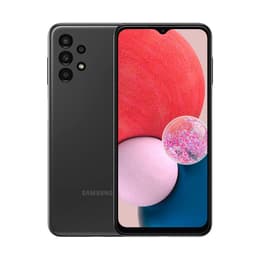
  • Rear Camera Setup: The Galaxy A13 features a quad-camera setup with a 50MP main sensor, a 5MP ultrawide, and two 2MP sensors for macro and depth. The Xperia 1 IV offers a versatile triple 12MP camera system, including a wide, ultrawide, and a unique telephoto lens with continuous optical zoom (3.5x-5.2x), providing greater flexibility for different photographic scenarios.
  • Photography Performance: The Galaxy A13's 50MP main camera can capture decent images in good lighting conditions, suitable for social media sharing, though it may struggle in low-light environments. The Xperia 1 IV is known for its advanced photography features, including real-time Eye AF and tracking, and a dedicated shutter button, allowing for more precise and professional-looking shots with natural color reproduction.
  • Video Recording and Front Camera: The Galaxy A13 can record video at 1080p at 30 frames per second and has an 8MP front camera (some variants have 5MP). The Xperia 1 IV excels in video, capable of 4K HDR video recording at up to 120 frames per second on all three rear lenses, and features a 12MP front camera, making it a strong tool for videographers and content creators.

Main camera

50 megapixels

12 megapixels

Front camera

8 megapixels

12 megapixels

Miscellaneous

Beyond core specifications, several practical elements contribute to the overall user experience and differentiate these two devices.

  • Connectivity and Ports: The Galaxy A13 supports 4G LTE, with some variants offering 5G, and includes Wi-Fi 5 and Bluetooth 5.0. It retains a 3.5mm headphone jack and uses a USB-C 2.0 port. The Xperia 1 IV supports 5G, Wi-Fi 6e, and Bluetooth 5.2, offering faster and more reliable wireless connections. It also uniquely features a 3.5mm headphone jack and a faster USB-C 3.2 port.
  • Biometric Security and Design: Both phones feature a side-mounted fingerprint sensor for secure unlocking. The Galaxy A13 has a minimalist design with a plastic build, weighing around 195g and measuring 165.1 x 76.4 x 8.8 mm. The Xperia 1 IV, with its glass and aluminum construction, weighs 185g and measures 165 x 71 x 8.2 mm, offering a more compact and premium feel despite its advanced features.
  • Additional Features: The Xperia 1 IV includes front-facing stereo speakers for an enhanced audio experience and a dedicated camera shutter button, appealing to photography enthusiasts. The Galaxy A13 focuses on providing essential smartphone functionalities in an accessible package.

Weight

195 g

185 g

Screen size (in)

6.6

6,5

Mobile network

4G

5G

SIM card

Dual Physical SIM

Physical SIM + eSIM

Carrier compatibility

Unlocked

Unlocked

User sentiment for the Samsung Galaxy A13 often highlights its reliable battery life and capable main camera for its category. Criticisms frequently point to its display, which some users find dim, and its performance, which can be slow for more demanding tasks. The Sony Xperia 1 IV receives praise for its exceptional display, powerful processor, and advanced camera system, particularly its continuous optical zoom and video capabilities. However, some users note that its camera system requires a learning curve for optimal results, and there have been mentions of the device generating heat under heavy use.

Users prioritizing extended battery life, basic smartphone functions, and a straightforward user experience will find the Samsung Galaxy A13 well-suited to their needs. It serves as a practical device for communication, social media, and light content consumption. Conversely, individuals who require top-tier performance for gaming, advanced photography and videography, and a high-resolution, cinematic display will likely prefer the Sony Xperia 1 IV. Its specialized features cater to creative professionals and multimedia enthusiasts.

For those looking for an eco-friendly alternative, both models are available as quality-assured refurbished options, providing a sustainable choice without compromising on functionality.
See all articles

Our recent comparisons