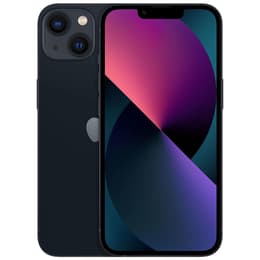

Galaxy A13 Vs iPhone 13

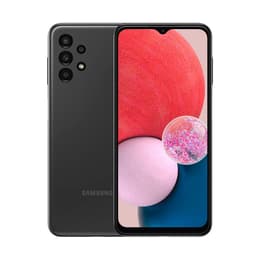
Galaxy A13
Galaxy A13
Starting at

Refurbished price:£73.00

Versus £249.00 new

See options
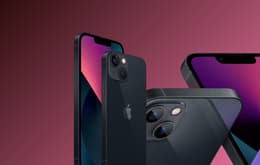
iPhone 13
iPhone 13
Starting at

Refurbished price:£204.00

Versus £599.00 new

See options

Ratings

The Samsung Galaxy A13, released in early 2022, and the iPhone 13, launched in late 2021, represent two very different approaches to the modern smartphone experience. While the Galaxy A13 serves as an accessible entry point into the Android ecosystem with a focus on essential features and a large display, the iPhone 13 is a flagship iOS device designed for high-end performance and advanced photography. These devices cater to different user priorities, ranging from basic daily connectivity to intensive multimedia creation and long-term software reliability.

Choosing between these two models involves weighing the benefits of a large, utility-focused device against a more compact, high-performance powerhouse. Both smartphones run their respective latest operating systems, offering distinct user interfaces and app ecosystems that influence the daily user experience. This comparison explores how each device handles real-world tasks to help you decide which one aligns best with your personal or professional needs.

Scores

Durability

The Galaxy A13 and iPhone 13 offer distinct lifespans based on their manufacturer support cycles and build materials, which impact how long the devices remain functional and secure.

  • Software Longevity: The iPhone 13 typically receives system updates for six to seven years from its release, ensuring it remains compatible with the latest apps and security features well into the late 2020s. In contrast, the Galaxy A13 follows a more modest update schedule common for entry-level devices, usually receiving a few years of major updates and security patches.
  • Build and Repair: The iPhone 13 features a glass and aluminium frame with a specialized ceramic shield for drop protection, whereas the Galaxy A13 utilises a reinforced plastic shell that is resilient against cracks but more prone to surface scratches. Both devices have established repair networks, though the iPhone's internal complexity often requires more specialised service.
  • Practical Lifespan: Users can expect the iPhone 13 to maintain its speed and functionality for a longer period due to its more powerful internals. The Galaxy A13 is best suited for those who plan to update their hardware more frequently as mobile software requirements evolve over time.

Year of Release

2022

2021

Compatible with latest Update

No

Yes

OS

Android

iOS

Foldable

No

No

Performance

Performance levels vary significantly between these two models, impacting how they handle everything from simple messaging to high-resolution gaming and multitasking.

  • System Responsiveness: The iPhone 13 is built to handle demanding applications, high-definition video editing, and seamless multitasking without noticeable slowdowns. The Galaxy A13 is optimised for standard daily tasks like web browsing, social media, and email, though users may notice slight pauses when switching between multiple heavy applications or during intensive processing.
  • Battery Endurance: The Galaxy A13 houses a large battery capacity that often lasts through two full days of light use, making it a reliable companion for those who are frequently away from chargers. The iPhone 13 uses a smaller but highly efficient battery that comfortably covers a full day of mixed usage, including streaming and navigation.
  • Storage and Memory: Both devices offer various storage capacities to hold photos and files, but the iPhone 13 provides higher internal memory efficiency. This allows the iPhone to keep more apps open in the background simultaneously, whereas the Galaxy A13 may need to reload apps more often to maintain system speed.

Memory (GB)

4 GB

4 GB

Screen quality

The viewing experience on these devices is defined by different display technologies that prioritise either screen real estate or visual precision and colour accuracy.

  • Display Technology: The iPhone 13 uses an OLED panel, which provides deep black levels and high contrast, making it ideal for watching movies or viewing photos in high detail. The Galaxy A13 features a larger LCD screen that offers more surface area for reading and browsing, though it lacks the vibrant colour depth and absolute blacks found on the iPhone.
  • Outdoor Visibility: In bright sunlight, the iPhone 13 reaches higher brightness levels, ensuring the screen remains legible even in direct glare. The Galaxy A13 is clear in indoor settings but may require shading the screen or increasing brightness to the maximum when used in bright outdoor environments.
  • Smoothness and Clarity: While both screens offer sharp imagery for their respective sizes, the iPhone 13 provides a more refined pixel density. This results in smoother text and crisper icons during daily navigation, while the Galaxy A13 provides a standard high-definition experience that is well-suited for casual video viewing.

Resolution

1080 x 2408

1170 x 2532

Screen type

PLS LCD

Super Retina XDR OLED

Audiovisual

Photography and media consumption are areas where these two smartphones diverge in their technical capabilities and the quality of the final output.

  • Camera Versatility: The Galaxy A13 features a multi-lens system including a high-resolution main sensor and dedicated lenses for close-up macro shots and background blur effects. The iPhone 13 utilises a dual-camera setup that focuses on high-quality image processing, delivering consistent results with natural colours across various lighting conditions.
  • Video and Audio: For video creators, the iPhone 13 offers advanced stabilisation and high-definition recording that produces smooth, professional-looking footage. The Galaxy A13 provides standard video recording that is perfectly suitable for social media posts and capturing casual memories with friends and family.
  • Sound Experience: The iPhone 13 includes stereo speakers that produce a balanced and immersive sound for music and videos. The Galaxy A13 typically relies on a single speaker setup but includes a traditional headphone jack, allowing for easy connection to wired audio equipment without the need for external adapters.

Main camera

50 megapixels

12 megapixels

Front camera

8 megapixels

12 megapixels

Miscellaneous

Practical daily usage is often determined by the small details in connectivity, security features, and the physical handling of the device.

  • Connectivity and Ports: The iPhone 13 supports 5G networks for fast mobile data and uses a proprietary charging port. The Galaxy A13 also offers 5G in specific versions and uses the widely compatible USB-C standard for charging and data transfer, which is common across many modern electronics.
  • Security Features: Users of the iPhone 13 utilise facial recognition technology for secure unlocking and digital payments, which works effectively even in low light. The Galaxy A13 features a fingerprint sensor built into the power button, providing a tactile and quick way to access the device with a single touch.
  • Size and Weight: The Galaxy A13 is a larger, taller device that may require two-handed use for some users, while the iPhone 13 is more compact and easier to navigate with one hand. The iPhone's glass and metal materials give it a solid, weighted feel, whereas the Galaxy A13 is lighter despite its larger physical dimensions.

Weight

195 g

173 g

Screen size (in)

6.6

6.1

Mobile network

4G

5G

SIM card

Dual Physical SIM

Physical SIM + eSIM

Carrier compatibility

Unlocked

Unlocked

The choice between the Galaxy A13 and the iPhone 13 often comes down to the specific needs of the user and their preferred software environment. Based on community discussions and user feedback, the iPhone 13 is frequently praised for its exceptional camera quality, smooth performance, and the impressive longevity of its software support. Many users note that the compact size is a major benefit for portability and ease of use. On the other hand, the Galaxy A13 receives positive feedback for its long-lasting battery life and the inclusion of a headphone jack, which remains a valued feature for many who prefer wired audio.

Users who prioritise high-end photography, seamless app performance, and a device that will receive updates for many years may find the iPhone 13 to be the better fit for their lifestyle. Conversely, users who prefer a larger screen for reading, a battery that can last through multiple days of light use, and the flexibility of a headphone jack might lean toward the Galaxy A13. For those looking to make a sustainable choice, choosing a quality-assured refurbished option from Back Market is an eco-friendly alternative that ensures the device has been thoroughly tested for performance. Ultimately, both smartphones provide reliable connectivity and essential modern features, serving different roles depending on whether one values flagship refinement or practical utility.
See all articles

Our recent comparisons