Compare models

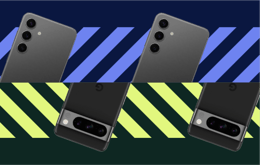
Galaxy S23 FE Vs Google Pixel 10

  • 1-year minimum warranty
  • Free delivery on all items
  • Free 30-day returns
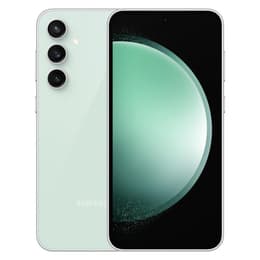
Galaxy S23 FE
Starting at

Refurbished price:£181.00

Versus £605.75 new

See options
Google Pixel 10
Starting at

Refurbished price:£389.00

Versus £789.14 new

See options

Differences at a glance

The Samsung Galaxy S23 FE (2023) and the Google Pixel 10 (2025) represent two distinct generations of mainstream smartphones designed to deliver balanced everyday mobile experiences. While the Galaxy S23 FE focuses on core flagship features within an accessible tier, the newer Google Pixel 10 introduces current-generation processing power and an expanded camera system. Operating on distinct versions of the Android ecosystem with customized user interfaces, these devices offer contrasting software environments alongside different hardware lifecycles.

Available Models

Colour

Storage

Scores

Durability

When comparing the structural longevity and software support timelines of these two devices, the age difference between their release years plays a significant factor in daily ownership expectations.

  • Release timeline and support: The Galaxy S23 FE launched in late 2023, while the Google Pixel 10 arrived in late 2025, giving the newer model an advantage in remaining software update windows.
  • Software longevity: The Google Pixel 10 supports extended major operating system updates stretching across multiple years, whereas the Galaxy S23 FE sits further along its designated update schedule.
  • Repairability and build: Both models feature sealed glass and metal construction with standard IP68 water resistance ratings, though certified components for the more recent Google device may remain accessible for a longer duration.

Year of Release

2023

2025

Compatible with latest Update

Yes

Yes

OS

Android

Android

Foldable

No

No

Performance

Underneath the surface, these smartphones handle everyday multitasking, application loading, and system responsiveness through different generations of internal hardware architectures.

  • Memory and storage: The Galaxy S23 FE typically provides 8GB of RAM paired with 128GB or 256GB of storage, while the Google Pixel 10 steps up to 12GB of RAM to facilitate smoother background app switching and system tasks.
  • Battery behavior: The Galaxy S23 FE relies on a 4,500mAh battery that generally requires a top-up by evening during heavy usage, whereas the Google Pixel 10 incorporates a larger 4,970mAh battery designed to comfortably sustain a full day of mixed activities.
  • Processing feel: Both devices open web pages, stream media, and run social applications smoothly, though the newer processor inside the Google Pixel 10 manages demanding workloads and modern gaming with improved thermal efficiency.

Screen quality

Viewing content, browsing photos, and navigating menus highlight distinct panel technologies and visual characteristics between the two displays.

  • Display technology: The Galaxy S23 FE uses a 6.4-inch Dynamic AMOLED screen, while the Google Pixel 10 features a 6.3-inch OLED display, both producing deep contrast levels and vivid color reproduction.
  • Brightness and outdoors: The Google Pixel 10 reaches higher peak brightness levels for improved legibility under direct sunlight compared to the slightly older panel technology on the Samsung device.
  • Refresh rate smoothness: Both phones support adaptive refresh rates reaching up to 120Hz, ensuring fluid scrolling through feeds, animated menus, and responsive touch feedback.

Resolution

1080 x 2340

1080x2424

Screen type

Dynamic AMOLED 2X

OLED

Audiovisual

Optics and media creation capabilities differ notably in lens configurations and automated processing styles across both device lineups.

  • Camera systems: The Galaxy S23 FE equips a traditional triple setup featuring a 50MP main sensor, an ultra-wide lens, and a dedicated 3x optical zoom telephoto lens, whereas the Google Pixel 10 deploys a refined multi-lens array backed by advanced computational photography.
  • Low-light and video: Both devices capture clear photos in challenging lighting conditions, though the Google Pixel 10 excels at stabilizing handheld video and balancing high-contrast scenes automatically.
  • Media consumption: Stereo speakers on both smartphones deliver clear audio output for hands-free calls, casual video viewing, and podcast playback without requiring external speakers.

Front camera

10 megapixels

42 megapixels

Miscellaneous

Physical dimensions and connectivity standards shape the everyday handling and ecosystem compatibility of each handset.

  • Connectivity and ports: Both models support 5G cellular networks, modern Wi-Fi standards, and Bluetooth pairing, utilizing universal USB-C ports for charging and data transfers.
  • Biometrics and handling: The Galaxy S23 FE measures slightly heavier in the hand with an under-display optical fingerprint reader, while the Google Pixel 10 balances a slightly lighter chassis footprint equipped with responsive facial recognition and fingerprint sensing.
  • Build materials: Each phone utilizes durable glass backs paired with sturdy aluminum frames, providing a solid in-hand feel alongside official dust and water protection.

Weight

209 g

204 g

Screen size (in)

6.4

6.3

Mobile network

5G

5G

SIM card

Dual Physical SIM

Physical SIM + eSIM

Carrier compatibility

Unlocked

Unlocked

Connector

USB-C

USB-C

What the community thinks

Choosing between the Samsung Galaxy S23 FE and the Google Pixel 10 depends heavily on individual software preferences and hardware priorities. Users who appreciate Samsung's customized One UI interface and prefer a traditional telephoto zoom lens arrangement may find the Galaxy S23 FE fits their daily workflow. Conversely, users prioritizing longer software support lifecycles, higher outdoor screen brightness, and expanded multitasking headroom will likely gravitate toward the Google Pixel 10.

For conscious consumers exploring sustainable purchasing routes, choosing a quality-assured refurbished option through platforms like Back Market provides an eco-friendly alternative that extends device lifecycles without compromising on performance standards. Ultimately, evaluating how long you intend to keep the device and which operating system layout matches your habits will guide you to the most suitable choice.