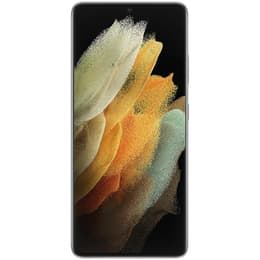
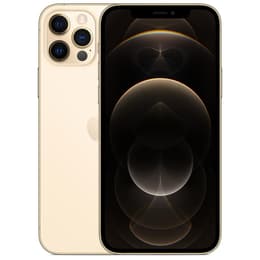

Galaxy S21 Ultra 5G Vs iPhone 12 Pro

Galaxy S21 Ultra 5G
Galaxy S21 Ultra 5G
Starting at

Refurbished price:£190.68

Versus £1,800.00 new

See options
iPhone 12 Pro
iPhone 12 Pro
Starting at

Refurbished price:£189.00

Versus £879.00 new

See options

Ratings

The Samsung Galaxy S21 Ultra 5G, released in early 2021, and the iPhone 12 Pro, launched in late 2020, represent two distinct approaches to the flagship smartphone experience. While the Galaxy S21 Ultra is a large-format device designed for maximum screen real estate and versatile photography, the iPhone 12 Pro offers a more balanced, compact design that focuses on consistent performance and high-quality video. These devices operate on different platforms, with the Galaxy running Android and the iPhone using iOS, each providing a unique ecosystem of apps and services for their users.

Choosing between these two models often comes down to a preference for screen size and camera capabilities versus software simplicity and physical handling. The Galaxy S21 Ultra introduced several advancements in display technology and zoom range, whereas the iPhone 12 Pro refined the design language of its predecessors with flat edges and improved durability features. Both remain highly relevant for users seeking a premium experience without needing the absolute latest release.

Scores

Durability

When considering how long these devices will remain functional and secure, both manufacturers have established strong track records for long-term support and build quality.

  • Software Longevity: The iPhone 12 Pro is expected to receive iOS updates for approximately six to seven years from its launch, which likely keeps it current until 2026 or 2027. This ensures users have access to the latest security features and app compatibility for a significant portion of the decade.
  • Update Frequency: The Galaxy S21 Ultra benefits from an improved update policy that provides four years of major Android upgrades and five years of security patches. While its total support window may be slightly shorter than the iPhone's, it remains a reliable choice for several years of consistent use.
  • Physical Resilience: Both phones utilize high-grade materials, with the iPhone featuring a Ceramic Shield front and the Galaxy using a specialized toughened glass. While both are water and dust resistant, the iPhone's flat stainless steel frame and the Galaxy's aluminum chassis offer different levels of impact protection during accidental drops.

Year of Release

2021

2020

Compatible with latest Update

Yes

Yes

OS

Android

iOS

Foldable

No

No

Performance

Performance on these devices is characterized by smooth operation and the ability to handle demanding applications, though they manage their internal resources in different ways.

  • Multitasking Capabilities: The Galaxy S21 Ultra is equipped with a generous amount of temporary memory, allowing users to switch between dozens of open apps or run complex multitasking windows without the system slowing down. This makes it particularly useful for power users who manage work and personal tasks simultaneously.
  • System Efficiency: The iPhone 12 Pro relies on highly optimized software that ensures the interface remains responsive even with less physical memory than its competitor. Apps tend to launch quickly, and the overall user experience is noted for its fluidity and lack of stutter during daily navigation.
  • Battery and Power: With a significantly larger battery capacity, the Galaxy S21 Ultra is built to sustain a full day of heavy use, including video streaming and navigation. The iPhone 12 Pro features a smaller battery that is efficient for standard daily tasks but may require a mid-day charge for users who frequently engage in high-drain activities like mobile gaming.

Memory

12 GB

6 GB

Screen quality

The display is one of the most noticeable differences between these two smartphones, affecting everything from reading text to watching high-definition movies.

  • Motion Smoothness: The Galaxy S21 Ultra features an advanced refresh rate that adjusts up to 120Hz, making animations and scrolling feel incredibly fluid. In contrast, the iPhone 12 Pro uses a standard 60Hz refresh rate, which is stable and clear but lacks the extra smoothness found on the Samsung device.
  • Display Size and Clarity: Users who prioritize media consumption will find the 6.8-inch screen of the Galaxy S21 Ultra offers a more immersive experience with higher pixel density. The iPhone 12 Pro provides a 6.1-inch screen that is easier to navigate with one hand while still delivering sharp images and accurate color reproduction.
  • Brightness and Outdoor Use: The Galaxy S21 Ultra is capable of reaching higher peak brightness levels, which helps maintain visibility when using the phone outside on a sunny day. Both devices use OLED technology to provide deep blacks and high contrast, ensuring that dark scenes in videos look rich and detailed.

Resolution

1440 x 3200

1170 x 2532

Screen type

Dynamic AMOLED 2X

Super Retina XDR OLED

Audiovisual

Both devices are equipped with sophisticated camera systems that cater to different types of photographers, from casual social media users to hobbyist creators.

  • Zoom and Versatility: The Galaxy S21 Ultra stands out with its dual telephoto lenses, allowing users to capture clear images from a distance that the iPhone 12 Pro cannot match. This makes the Galaxy a better option for wildlife photography or capturing details at sporting events and concerts.
  • Video and Color Accuracy: The iPhone 12 Pro is widely regarded for its video recording capabilities, offering consistent exposure and natural colors across all its lenses. It supports advanced recording formats that allow for more flexibility when editing videos, making it a favorite for content creators who prioritize video quality.
  • Low-Light Photography: Both phones perform well in dim environments, using specialized sensors to brighten images without introducing excessive grain. The iPhone utilizes a depth-sensing scanner to improve focus speed in the dark, while the Galaxy uses a high-resolution main sensor to capture a large amount of light and detail.

Main camera

108 megapixels

12 megapixels

Front camera

40 megapixels

12 megapixels

Miscellaneous

Practical features like connectivity, security methods, and physical dimensions play a major role in how these phones fit into a user's daily routine.

  • Biometric Security: The iPhone 12 Pro uses facial recognition technology for secure access, which works seamlessly in most lighting conditions. The Galaxy S21 Ultra employs an ultrasonic fingerprint sensor located under the display, providing a quick and secure way to unlock the device even if the user is wearing a mask.
  • Connectivity and Ports: Both smartphones support 5G for fast mobile internet speeds, but they differ in their physical connections. The Galaxy uses the universal USB-C port, which is compatible with most modern laptops and accessories, while the iPhone uses the proprietary Lightning port common to the Apple ecosystem.
  • Handling and Weight: The Galaxy S21 Ultra is a large and heavy device, which may be a consideration for users with smaller hands or those who prefer lightweight phones. The iPhone 12 Pro is noticeably thinner and lighter, making it more comfortable for long periods of one-handed use and easier to fit into smaller pockets.

Weight

227 g

187 g

Width

7,56 cm

7.15 cm

Height

16,15 cm

14.67 cm

Depth

0,89 cm

0.74 cm

Screen size (in)

6.8

6.1

Network

5G

5G

SIM card

Dual Physical SIM + eSIM

Physical SIM + eSIM

Carrier compatibility

Unlocked

Unlocked

Connector

USB-C

Lightning

In summary, the Galaxy S21 Ultra 5G and the iPhone 12 Pro offer distinct advantages depending on a user's specific priorities. Public sentiment from user forums often praises the Galaxy for its expansive, smooth display and its unmatched zoom capabilities, though some find its physical size a bit overwhelming. The iPhone 12 Pro receives consistent praise for its reliable software, compact form factor, and excellent video performance, while some users note that its battery life and screen refresh rate feel dated compared to more recent standards. Consensus suggests that both devices remain powerful tools that can easily handle modern applications and photography needs.

Users who prioritize a large-screen experience for gaming or media consumption, along with the flexibility of a powerful zoom lens, will likely find the Galaxy S21 Ultra better suited to their lifestyle. Conversely, users who prefer a more manageable device that integrates perfectly with other Apple products and offers top-tier video recording may lean toward the iPhone 12 Pro. Choosing a quality-assured refurbished option for either of these models is a sustainable choice that helps reduce electronic waste while providing a high-end experience. Both smartphones remain highly capable in 2026, and the final decision depends on which specific features align most closely with your daily habits. As an eco-friendly alternative, opting for a refurbished device ensures these powerful tools continue to serve a purpose for years to come.

See all articles

Our recent comparisons