
Compare models
Google Pixel 10 Vs iPhone SE (2022)
- 1-year minimum warranty
- Free delivery on all items
- Free 30-day returns
Differences at a glance
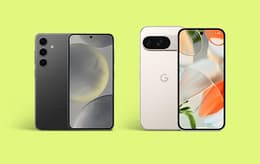
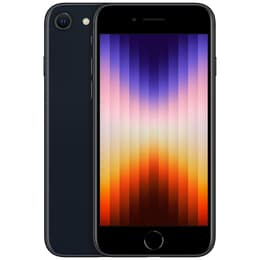
The Google Pixel 10 (2025) and the Apple iPhone SE (2022) represent two distinct approaches to modern smartphone design, contrasting a contemporary all-screen layout with a traditional compact form factor. While the Pixel 10 runs on Android with modern hardware refinements, the iPhone SE relies on Apple's iOS platform inside a classic body style defined by physical navigation controls.
Available Models
Colour
Storage
Scores
Durability
Software lifespan and structural resilience vary significantly due to the years of release separating these two devices, influencing how long each model will remain supported by system updates.
- Release timeline and age: The Google Pixel 10 launched in 2025, providing a much more recent hardware baseline compared to the iPhone SE, which debuted in 2022.
- Software support duration: Google provides long-term operating system updates for the Pixel 10 spanning multiple years, whereas the iPhone SE has a shorter remaining window of primary software upgrades given its older release date.
- Expected practical lifespan: The Pixel 10 benefits from contemporary build durability standards and extended update commitments, while the iPhone SE suits users looking for a shorter-term communications tool.
Year of Release
2025
2022
Compatible with latest Update
Yes
Yes
OS
Android
iOS
Foldable
No
No
Performance
Day-to-day speed, multitasking capability, and battery endurance differ noticeably based on the internal engineering and hardware generation of each smartphone.
- System responsiveness: Both devices handle standard web browsing and messaging smoothly, though the Pixel 10 manages heavy multitasking and intensive applications with greater thermal efficiency due to its newer processing architecture.
- Battery behavior: The Pixel 10 incorporates a significantly larger battery capacity designed to comfortably clear a full day of mixed use, whereas the iPhone SE features a smaller cell that typically requires more frequent charging under heavy workloads.
- RAM and storage: The Pixel 10 includes ample memory configurations to keep numerous background applications active simultaneously, while the iPhone SE relies on a streamlined memory setup tailored for lighter, single-task workflows.
Screen quality
Viewing experiences differ starkly between the expansive modern panel of the Google device and the smaller legacy display found on the Apple model.
- Display technology: The Pixel 10 features a vibrant OLED screen offering deep contrast levels and rich colors, while the iPhone SE utilizes a traditional LCD panel with standard contrast bounds.
- Brightness and outdoor clarity: The Pixel 10 reaches high peak brightness levels for clear visibility under direct sunlight, whereas the iPhone SE panel is better suited for indoor viewing environments.
- Refresh rate and size: The Pixel 10 provides a larger viewing canvas paired with a high refresh rate for smooth scrolling, contrasting with the compact 4.7-inch screen and standard refresh rate of the iPhone SE.
Resolution
1080x2424
750 x 1334
Screen type
OLED
Retina IPS LCD
Audiovisual
Media capture capabilities and audio-visual playback reflect the generational gap in sensor technology and speaker design between the two models.
- Camera versatility: The Pixel 10 equips a versatile multi-lens rear array including dedicated zoom functionality, while the iPhone SE employs a single rear camera sensor focused on straightforward point-and-shoot captures.
- Low-light performance: Advanced computational photography on the Pixel 10 preserves detail in dim environments, whereas the iPhone SE produces grainier results when shooting in challenging lighting.
- Media consumption: Stereo speaker output on the Pixel 10 delivers a fuller sound profile for videos and music, complementing its expansive screen.
Front camera
42 megapixels
7 megapixels
Miscellaneous
Physical handling, security methods, and connectivity standards dictate how each smartphone integrates into everyday routines.
- Security features: The Pixel 10 relies on facial recognition and an in-display fingerprint sensor, while the iPhone SE utilizes traditional physical touch authentication via a home button.
- Build and dimensions: The Pixel 10 offers a modern glass-and-metal chassis with balanced ergonomics, whereas the iPhone SE provides a noticeably lighter and smaller footprint for single-handed use.
- Connectivity ports: The Pixel 10 adopts modern reversible universal cabling, while the iPhone SE utilizes a traditional proprietary connector interface.
Weight
204 g
144 g
Screen size (in)
6.3
4.7
Mobile network
5G
5G
SIM card
Physical SIM + eSIM
Physical SIM + eSIM
Carrier compatibility
Unlocked
Unlocked
Connector
USB-C
Lightning
What the community thinks
User feedback highlights distinct preferences for each device across online communities. Owners of the Google Pixel 10 frequently praise its bright display, versatile camera system, and reliable daily battery endurance. Conversely, users of the iPhone SE often highlight appreciation for its familiar physical home button, compact pocket-friendly dimensions, and straightforward operating system interface. Choosing between them depends entirely on individual workflow priorities.
Users prioritizing a modern viewing space, extended software support, and advanced photo capabilities will find the Google Pixel 10 well-suited to their needs. On the other hand, users prioritizing a smaller footprint, physical navigation controls, and a lightweight build may lean toward the iPhone SE. Exploring a quality-assured refurbished option provides a sustainable choice for acquiring either device while reducing electronic waste. Ultimately, evaluating personal preferences regarding size and software longevity will guide the final decision.