
Compare models
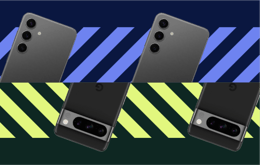
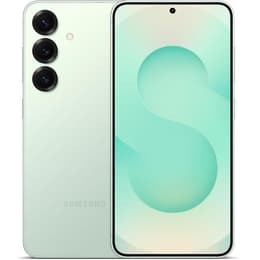
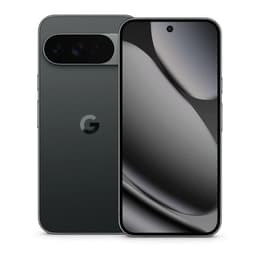
Galaxy S25+ Vs Google Pixel 10 Pro XL
- 1-year minimum warranty
- Free delivery on all items
- Free 30-day returns
Differences at a glance
The Samsung Galaxy S25+ (2025) and the Google Pixel 10 Pro XL (2025) represent the pinnacle of large-screen Android smartphones. While both devices deliver high-end functionality, they distinctively differ in their approach to software ecosystems, processing hardware, and physical design. The Galaxy S25+ runs Samsung's customized One UI over Android, whereas the Pixel 10 Pro XL utilizes Google's clean, streamlined version of Android, setting the stage for distinct user experiences.
Available Models
Colour
Storage (GB)
Scores
Durability
Both smartphones are built for long-term usage, though their support timelines and physical endurance profiles vary based on manufacturer commitments and hardware design.
- Software Support: Both manufacturers provide extensive multi-year software and security update commitments, ensuring both devices remain current and secure for many years of typical daily operation.
- Repairability and Build: Both models utilize robust aluminum frames and durable glass protection, though local repair accessibility and structural repair scores vary slightly between the two brands.
- Expected Lifespan: High-capacity internal batteries combined with efficient processing hardware ensure that both devices sustain dependable daily operation across multiple years of intensive use.
Year of Release
2025
2025
OS
Android
Android
Foldable
No
No
Performance
Under everyday conditions, both models deliver exceptional system fluidity, handling demanding multitasking, rapid app loading, and intensive mobile gaming with ease.
- Storage and Multitasking: Generous baseline RAM configurations allow users to switch between resource-heavy applications seamlessly without stuttering or unexpected app reloads.
- Battery Behavior: Battery capacities easily endure a full day of mixed usage, with power management features adapting to individual routines to preserve charge during travel or long work days.
- System Responsiveness: Advanced internal processors execute high-end computational tasks smoothly, maintaining cool operating temperatures even during prolonged gaming or video rendering sessions.
Screen quality
Visual output on both devices utilizes advanced display panels engineered to provide sharp detail, rich contrast, and high peak brightness levels.
- Display Technology: Both models feature bright OLED screens with adaptive refresh rates scaling up to 120Hz, ensuring buttery-smooth scrolling and responsive touch interactions.
- Outdoor Visibility: High peak luminance capabilities allow content to remain clearly legible even under harsh, direct sunlight during outdoor navigation or reading.
- Viewing Area: Expansive screen sizes paired with minimal bezels offer immersive experiences for viewing media, reviewing documents, or managing split-screen productivity apps.
Resolution
1440x3120
1344x2992
Audiovisual
Photography and video recording suites on these flagships cater to both casual snappers and mobile creators through versatile multi-lens configurations.
- Lens Versatility: Multi-camera arrays comprising wide, ultra-wide, and telephoto options capture sharp, detailed photos across a wide variety of focal lengths and distances.
- Low-Light Performance: Advanced image processing tools minimize visual noise and enhance shadow detail when capturing scenes in dimly lit indoor environments or nighttime settings.
- Media and Audio: High-definition video recording features robust stabilization, while built-in stereo speakers deliver clear audio output for hands-free calls and casual media streaming.
Front camera
50MP
42 megapixels
Miscellaneous
Practical daily usability elements, including connectivity standards, physical dimensions, and biometric security, shape the overall handling experience of each phone.
- Connectivity and Ports: Modern 5G compatibility, Wi-Fi standards, and reliable Bluetooth pairing ensure fast data transfers and stable accessories connections.
- Handling and Form Factor: Sleek profiles and balanced weight distributions influence how comfortably each device rests in the hand or fits inside a pocket during travel.
- Biometric Security: Fast under-display fingerprint scanners and secure facial recognition options provide convenient, immediate device unlocking.
Weight
190 g
232 g
Screen size (in)
6.7
6.8
Mobile network
5G
5G
SIM card
Physical SIM + eSIM
Physical SIM + eSIM
Carrier compatibility
Unlocked
Unlocked
What the community thinks
User feedback from online communities highlights distinct preferences for each device. Owners of the Galaxy S25+ frequently praise its sleek, lightweight ergonomics, vibrant display tuning, and the extensive customization options found within Samsung's software interface. Conversely, users gravitate toward the Google Pixel 10 Pro XL for its clean software aesthetic, rapid update deployment, and highly praised computational photography tools that excel at capturing natural skin tones and difficult lighting scenarios.
Users prioritizing seamless software minimalism, advanced automated photo editing, and direct-from-Google Android updates may prefer the Pixel 10 Pro XL. Meanwhile, users valuing a slimmer physical profile, expansive multi-window productivity tools, and feature-rich software customization will likely lean toward the Galaxy S25+. Choosing between them depends entirely on whether your daily routine leans toward Google's streamlined ecosystem or Samsung's feature-dense environment. For those looking to make a sustainable choice, a quality-assured refurbished option provides an eco-friendly alternative to purchasing brand-new hardware without compromising on longevity or performance capabilities.