Compare models
Google Pixel 10 Pro XL Vs iPhone 14 Pro Max
- 1-year minimum warranty
- Free delivery on all items
- Free 30-day returns
Differences at a glance
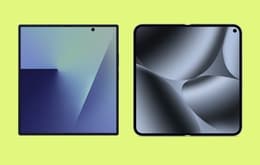
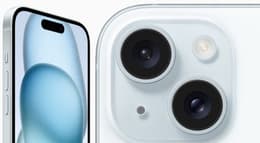
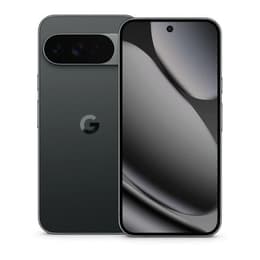
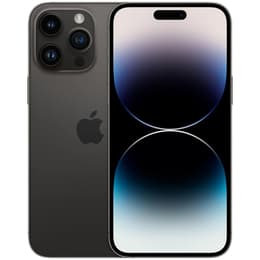
The Google Pixel 10 Pro XL (2025) and the Apple iPhone 14 Pro Max (2022) represent high-end large-screen smartphones from two distinct operating system ecosystems. While the Pixel 10 Pro XL runs on Android and arrives from a newer hardware generation, the iPhone 14 Pro Max operates on iOS and relies on a slightly older platform architecture. Both large-format devices cater to users seeking expansive displays and advanced daily capabilities, differing primarily in their software environments and generation timelines.
Available Models
Colour
Storage
Scores
Durability
When evaluating hardware longevity and software support, these two devices reflect different stages in their product life cycles, influencing how long they will receive updates.
- Release timeline and support: The iPhone 14 Pro Max debuted in late 2022, while the Pixel 10 Pro XL launched three years later in 2025, granting the Google device a more extended future software support window.
- Software updates: Both manufacturers provide long-term operating system updates, though the Pixel model benefits from a multi-year advantage due to its later release date.
- Repairability: Both devices feature robust build qualities with accessible repair networks, though professional servicing remains standard for both waterproof flagship designs.
Year of Release
2025
2022
Compatible with latest Update
Yes
Yes
OS
Android
iOS
Foldable
No
No
Performance
Daily responsiveness and multitasking capabilities vary based on internal hardware optimization and memory allocation between the two operating systems.
- Memory and multitasking: The Pixel 10 Pro XL features generous RAM capacity to handle demanding background tasks, whereas the iPhone 14 Pro Max relies on tight software integration with lower RAM allocation to maintain smooth operation.
- App execution: Both devices load complex applications and handle heavy tasks smoothly, though newer generations benefit from efficiency improvements in processing architecture.
- Battery behavior: The Pixel 10 Pro XL incorporates a large battery capacity designed to last through a full day of mixed usage, matching the reliable all-day endurance typical of the iPhone 14 Pro Max.
Screen quality
Viewing experiences on both large-format screens emphasize clarity, high refresh rates, and outdoor visibility, though physical dimensions and camera cutouts differ.
- Display technology: Both models utilize vibrant OLED panels with deep contrast levels and fluid refresh rates reaching up to 120 hertz for smooth scrolling.
- Outdoor brightness: High peak brightness levels on both screens ensure legibility under direct sunlight, though newer panel generations offer slight refinements in maximum luminance.
- Viewing area: Both devices feature expansive screen sizes exceeding 6.5 inches, accompanied by distinct cutout styles—a centered punch-hole on the Pixel and a pill-shaped interactive cutout on the iPhone.
Resolution
1344x2992
1290 x 2796
Audiovisual
Optics and media consumption hardware cater to versatile photography and everyday audio-visual reproduction.
- Camera systems: Both smartphones utilize multi-lens rear camera arrays including main, ultra-wide, and telephoto options to handle diverse framing needs.
- Computational photography: The Pixel series leans heavily on advanced software processing for low-light clarity and editing assistance, while the iPhone focuses on balanced color science and consistent video stabilization.
- Media output: Built-in stereo speakers on both models deliver clear audio for casual video playback and hands-free calling.
Front camera
42 megapixels
12 megapixels
Miscellaneous
Physical handling, connectivity standards, and ecosystem-specific integration define the everyday ergonomic experience of each device.
- Connectivity: Both models support current-generation 5G cellular networks, high-speed Wi-Fi standards, and near-field communication for mobile payments.
- Build and dimensions: Both heavy devices combine glass and metal materials, resulting in a substantial feel in the hand that suits users who prefer larger phone bodies.
- Security sensors: The Pixel utilizes an optical in-display fingerprint reader alongside facial recognition, whereas the iPhone relies exclusively on secure 3D facial mapping.
Weight
232 g
120 g
Screen size (in)
6.8
6.7
Mobile network
5G
5G
SIM card
Physical SIM + eSIM
Physical SIM + eSIM
Carrier compatibility
Unlocked
Unlocked
Connector
USB-C
Lightning
What the community thinks
User discussions across community forums frequently highlight the Google Pixel 10 Pro XL for its clean operating system customization, deep software intelligence features, and expansive display. Common praise for the iPhone 14 Pro Max centers around its robust build stability, reliable video recording tools, and seamless integration within the broader Apple ecosystem. At the same time, some users note that both handsets are physically heavy and large, which can affect one-handed usability during extended periods.
Users prioritizing a clean Android interface, extended software lifespan, and versatile artificial intelligence tools may prefer the Google Pixel 10 Pro XL, while users invested in iOS who value established video performance and ecosystem continuity often lean toward the iPhone 14 Pro Max. Choosing a quality-assured refurbished option provides an eco-friendly alternative for acquiring either model without compromising on performance or reliability. Ultimately, the decision depends entirely on personal preference regarding operating systems and preferred screen cutouts.