
Compare models
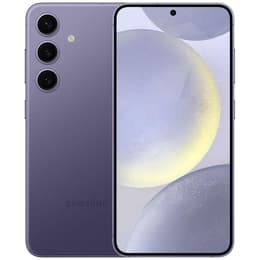
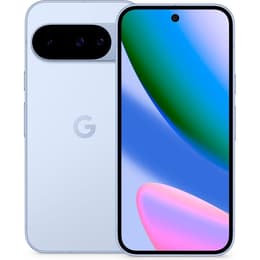
Galaxy S24 Vs Google Pixel 10
- 1-year minimum warranty
- Free delivery on all items
- Free 30-day returns
Differences at a glance
The Samsung Galaxy S24 (2024) and the Google Pixel 10 (2025) are compact flagship smartphones built to deliver reliable everyday performance and advanced features. While both models focus on balanced daily usability and modern connectivity, they differ primarily in their software ecosystems, release timelines, and hardware configurations. The Galaxy S24 operates on Samsung's customized interface built over Android, whereas the Google Pixel 10 runs on clean, stock Android software. Both devices offer distinct approaches to mobile computing, catering to users who value streamlined hardware or deep software integration.
Available Models
Colour
Storage (GB)
Scores
Durability
When evaluating structural longevity and software support, both devices provide robust longevity expectations, though their launch timelines differ by over a year.
- Software Support Duration: Both manufacturers commit to extensive operating system upgrades and security updates spanning multiple years, ensuring long-term software relevance.
- Repairability and Build: Each device features durable glass and aluminum construction with high-level water resistance ratings, though repair access varies by regional service networks.
- Expected Practical Lifespan: Robust internal memory configurations and sustained update schedules allow both models to maintain reliable utility for years of standard daily use.
Year of Release
2024
2025
Performance
Daily execution speeds and multitasking capabilities are handled efficiently across both models, though their internal resource allocations differ.
- App Loading and Multitasking: Generous random access memory capacity on both handsets ensures that demanding applications and background processes run smoothly without frequent reloading.
- Battery Behavior: Both devices deliver dependable day-long battery capacity under mixed usage conditions, supporting fast charging protocols and wireless power replenishment.
- System Responsiveness: Optimized internal processing architectures allow for fluid navigation, quick web browsing, and responsive gaming experiences during everyday tasks.
Screen quality
Display characteristics across both smartphones emphasize high visual clarity, bright outdoor viewing, and smooth motion handling.
- Display Technology: Both models utilize vibrant OLED panels that deliver deep contrast levels, sharp text rendering, and vivid color reproduction for media consumption.
- Refresh Rate and Smoothness: Adaptive refresh rates scaling up to high hertz frequencies ensure fluid scrolling through web pages and smooth animation transitions.
- Outdoor Visibility: High peak brightness capabilities on both screens maintain clear legibility even under direct, bright sunlight.
Audiovisual
Photography and media capture capabilities are central to each device, offering versatile multi-lens arrays and advanced computational processing.
- Camera System Array: Both smartphones incorporate high-resolution main sensors alongside supporting ultra-wide and optical zoom options for diverse framing flexibility.
- Low-Light and Video: Advanced computational photography algorithms on both models preserve detail and minimize noise in dim environments while recording stable high-definition video.
- Media and Audio Output: Integrated stereo speaker setups deliver clear audio for hands-free calls, video playback, and casual music listening.
Miscellaneous
Practical daily usability features, connectivity standards, and physical handling characteristics shape the overall user experience of each handset.
- Connectivity Standards: Both devices support modern fifth-generation mobile networks, standard wireless internet protocols, and short-range pairing technologies.
- Physical Dimensions: Compact form factors with balanced weight distribution ensure comfortable one-handed handling and easy pocket storage.
- Security Sensors: Integrated biometric authentication systems provide secure and rapid device unlocking via facial recognition or under-display fingerprint sensors.
Screen size (in)
6.2
6.3
Mobile network
5G
5G
SIM card
Dual Physical SIM + eSIM
eSIM
Carrier compatibility
Unlocked
Unlocked
What the community thinks
User community discussions indicate that the Samsung Galaxy S24 receives frequent praise for its highly customizable interface, compact physical footprint, and reliable hardware reliability. Conversely, owners of the Google Pixel 10 frequently highlight appreciation for its clean software experience, intuitive photo editing tools, and prompt system updates. Common criticisms for both devices generally center on thermal warmth during extended gaming sessions and gradual battery degradation over years of heavy utilization.
Users prioritizing a highly customizable software experience and a lightweight build may prefer the Galaxy S24, while users seeking clean stock Android software and advanced photo processing tools will lean toward the Google Pixel 10. For those exploring sustainable purchasing routes, choosing a quality-assured refurbished option provides an eco-friendly alternative that extends device life cycles without sacrificing modern performance standards.