

Compare models
Galaxy Z Flip7 Vs iPhone 17 Pro Max
- 1-year minimum warranty
- Free delivery on all items
- Free 30-day returns
Differences at a glance
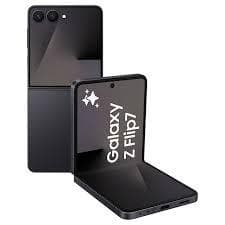
The Samsung Galaxy Z Flip7 (2025) and the Apple iPhone 17 Pro Max (2025) represent two distinct approaches to modern smartphone design, contrasting a folding form factor with a traditional large-screen format. While both devices serve as high-end options within their respective ecosystems, they cater to very different preferences regarding pocketability and display workspace. The Galaxy Z Flip7 operates on Android with custom software features tailored for folding screens, whereas the iPhone 17 Pro Max runs iOS. These fundamental differences in hardware design and operating systems shape how users interact with each device daily.
Available Models
Colour
Storage (GB)
Scores
Durability
When evaluating structural longevity and software support, both devices are built to handle years of daily use, though their physical designs and update timelines differ.
- Software longevity and update support: Apple provides long-term operating system updates spanning many years, ensuring the iPhone 17 Pro Max maintains current software features for an extended duration. Samsung matches this with a multi-year update commitment for the Galaxy Z Flip7, keeping security and system software current.
- Hardware design and physical durability: The iPhone 17 Pro Max relies on a traditional solid-slab construction with reinforced glass and metal edges designed to resist drops and daily wear. The Galaxy Z Flip7 features a folding hinge mechanism and flexible internal screen technology, which requires careful handling over time despite modern material improvements.
- Repairability and ongoing maintenance: Traditional slab smartphones like the iPhone 17 Pro Max generally offer straightforward component replacement paths through authorized service channels. Folding devices involve more complex screen assemblies, making professional maintenance a key consideration for long-term ownership. Choosing a quality-assured refurbished option provides a sustainable choice that extends device lifecycles while maintaining high performance standards.
Year of Release
2025
2025
Performance
Daily operation speeds and multitasking capabilities remain exceptionally strong across both devices, though their underlying system architectures handle intensive tasks differently.
- Multitasking and app switching: Both smartphones handle demanding mobile games, complex applications, and rapid background app switching smoothly without noticeable stutter or slowdowns. Sufficient memory allocations ensure that open applications remain ready for use across extended sessions.
- Battery behavior and daily endurance: The iPhone 17 Pro Max incorporates a large internal battery designed to sustain extended periods of media playback, navigation, and heavy use before requiring a recharge. The Galaxy Z Flip7 features a more compact battery capacity due to its folding frame, meaning heavy users may find themselves utilizing mid-day charging opportunities more frequently.
- Storage capacity configurations: Both models offer generous internal storage tiers to accommodate large media libraries, extensive application collections, and high-resolution video files without running low on space.
Screen quality
Display characteristics represent a major point of divergence, influencing how users consume media, read text, and interact with visual content outdoors.
- Display technology and panel design: The iPhone 17 Pro Max utilizes a large, rigid OLED panel that delivers deep contrast levels, sharp text rendering, and consistent color accuracy across the entire viewing area. The Galaxy Z Flip7 employs a flexible folding OLED interior screen accompanied by an exterior cover display for quick notifications and glanceable tasks.
- Outdoor visibility and maximum brightness: Both screens feature high peak brightness capabilities, ensuring that menus, text, and images remain easily legible even under direct sunlight. Automatic brightness sensors adjust dynamically to changing environmental lighting conditions.
- Refresh rate and visual fluidity: High refresh rate support on both devices ensures that scrolling through web pages, navigating system menus, and viewing animations appear fluid and responsive to touch input.
Audiovisual
Imaging capabilities on these flagship devices support diverse creative pursuits, offering advanced tools for everyday photography and video production.
- Primary and auxiliary camera systems: The iPhone 17 Pro Max features a versatile multi-lens array including a main sensor, ultra-wide option, and a dedicated telephoto lens for distant subjects. The Galaxy Z Flip7 provides a dual-camera system optimized for everyday snapshots, wide-angle framing, and creative angles made possible by its folding design.
- Low-light photography and video recording: Advanced sensor hardware and image processing on both models capture clear details and balanced lighting in dim environments. Video recording options include high-resolution output formats, steady stabilization modes, and cinematic effects suited for content creation.
- Audio reproduction and media output: Stereo speaker configurations on both devices deliver clear dialogue and balanced sound profiles for hands-free calls, podcasts, and casual video viewing without requiring external speakers.
Miscellaneous
Physical dimensions, connectivity standards, and daily ergonomics define the practical handling experience of each device.
- Connectivity and network standards: Both smartphones support modern high-speed 5G cellular networks, current Wi-Fi protocols, and Bluetooth standards for stable accessories pairing and rapid data transfers.
- Physical dimensions and weight distribution: The iPhone 17 Pro Max offers a wide, traditional slab footprint that prioritizes a large viewing canvas at the expense of pocket space. The Galaxy Z Flip7 folds in half to reduce its footprint significantly in a pocket or small bag, though it measures thicker when closed.
- Authentication and security features: The iPhone 17 Pro Max utilizes facial recognition technology for secure device unlocking and authorization, while the Galaxy Z Flip7 incorporates a side-mounted fingerprint sensor integrated into the power button alongside facial recognition alternatives.
Screen size (in)
6.9
6.9
Mobile network
5G
5G
SIM card
Physical SIM + eSIM
Physical SIM + eSIM
Carrier compatibility
Unlocked
Unlocked
Connector
USB-C
USB-C
What the community thinks
User discussions across community forums highlight distinct preferences for each device based on daily habits and form factor priorities. Users frequently praise the iPhone 17 Pro Max for its extended battery longevity, expansive screen workspace, and comprehensive camera versatility. At the same time, community feedback for the Galaxy Z Flip7 centers on its compact pocketability, innovative folding design, and the convenience of the outer cover screen for managing notifications on the go. Common criticisms focus on the larger physical footprint of the Apple device and the more frequent charging needs of the folding Samsung model.
Users prioritizing maximum battery endurance, a large viewing area, and traditional slab durability will find the iPhone 17 Pro Max well-suited to their needs. Conversely, users prioritizing a compact footprint, easy pocket storage, and versatile folding capabilities may lean toward the Galaxy Z Flip7. Exploring an eco-friendly alternative through Back Market allows consumers to acquire either device with quality assurance, supporting sustainable technology choices without compromising performance.