
Compare models
Galaxy Z Flip7 Vs iPhone 16 Pro Max
- 1-year minimum warranty
- Free delivery on all items
- Free 30-day returns
Differences at a glance
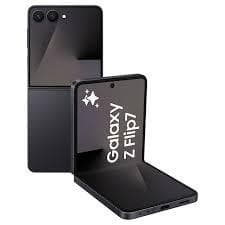
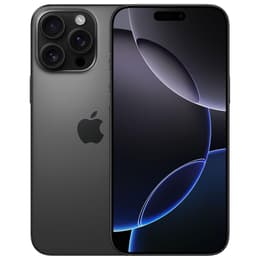
The Samsung Galaxy Z Flip7 (2025) and the Apple iPhone 16 Pro Max (2024) represent two very distinct approaches to modern mobile technology. While the Galaxy Z Flip7 focuses on a compact, folding form factor with dual screens, the iPhone 16 Pro Max prioritizes a traditional, large-screen layout with an emphasis on maximum screen estate and robust internal hardware. Operating on Android and iOS respectively, these devices cater to users looking for either pocket-friendly versatility or expansive media consumption capabilities.
Available Models
Colour
Storage
Scores
Durability
When evaluating the longevity of these devices, both manufacturers provide long-term software support, though their hardware durability profiles differ due to their physical designs.
- Software updates and support: Both models receive extended multi-year operating system updates and security patches from their respective manufacturers, ensuring software longevity well into the future.
- Hardware resilience and repair: The iPhone 16 Pro Max features a rigid titanium frame and traditional slab construction, whereas the Galaxy Z Flip7 incorporates a folding hinge mechanism that requires careful handling over years of daily use.
- Refurbished availability: Choosing a quality-assured refurbished option for either model provides an eco-friendly alternative that extends device life cycles and reduces electronic waste.
Year of Release
2025
2024
Compatible with latest Update
Yes
Yes
Foldable
Yes
No
Performance
Underneath their exteriors, both smartphones deliver smooth execution for everyday applications, multitasking, and demanding tasks like mobile gaming.
- Multitasking and memory handling: Both devices manage background applications effortlessly, allowing users to switch between intensive apps without noticeable stutter or lag.
- Battery behavior: The iPhone 16 Pro Max generally accommodates extended use due to its larger physical footprint housing a high-capacity battery, while the Galaxy Z Flip7 manages a full day of typical use with more frequent top-ups required for heavy workloads.
- Storage configurations: Both models offer multiple internal storage tiers to accommodate large media libraries, high-resolution video files, and extensive application collections.
Screen quality
Display technology is a primary differentiator, directly shaping how users interact with media, read text, and navigate apps outdoors.
- Display panels and technology: Both phones utilize vibrant organic light-emitting diode panels that deliver deep contrast levels, sharp text clarity, and vivid color reproduction.
- Brightness and outdoor visibility: High peak brightness levels on both devices ensure content remains legible under direct sunlight, minimizing glare during outdoor use.
- Screen format and refresh rates: The iPhone 16 Pro Max offers a traditional expansive glass display with a fluid adaptive refresh rate, while the Galaxy Z Flip7 features a foldable main screen paired with an outer cover screen for quick interactions without unfolding the device.
Resolution
1080x2520
1320 x 2868
Audiovisual
Optics and media playback capabilities vary significantly based on the physical design constraints and sensor configurations of each phone.
- Camera system versatility: The iPhone 16 Pro Max employs a triple-lens setup including a dedicated optical zoom lens, whereas the Galaxy Z Flip7 relies on a dual-lens primary and ultra-wide configuration optimized for flexible angles and self-portrait framing.
- Video recording performance: Both devices capture high-resolution video with advanced stabilization features, though the iPhone lineup remains widely noted for consistent cinematic framing options.
- Audio and speaker output: Stereo speakers on both models deliver clear sound reproduction for hands-free calls, podcasts, and casual video streaming.
Main camera
50 megapixels
48 megapixels
Front camera
10 megapixels
12 megapixels
Miscellaneous
Physical handling, connectivity standards, and daily convenience features define the practical user experience of each handset.
- Connectivity and ports: Both devices support modern high-speed cellular networks and wireless standards, utilizing a universal reversible charging port format for power and data transfer.
- Authentication and security: The iPhone 16 Pro Max uses advanced facial recognition technology, while the Galaxy Z Flip7 integrates a side-mounted fingerprint sensor alongside facial unlock options.
- Form factor and ergonomics: The iPhone 16 Pro Max offers a wide, heavy slab footprint suited for two-handed use, whereas the Galaxy Z Flip7 folds in half to fit easily into smaller pockets and tight spaces.
Weight
188 g
227 g
Screen size (in)
6.9
6.9
Mobile network
5G
5G
SIM card
Physical SIM + eSIM
Physical SIM + eSIM
Carrier compatibility
Unlocked
Unlocked
Connector
USB-C
USB-C (USB 3)
What the community thinks
Real-world user discussions highlight distinct preferences for each device. Users frequently praise the iPhone 16 Pro Max for its reliable battery longevity, expansive screen space, and robust camera versatility. Conversely, owners of the Galaxy Z Flip7 often emphasize the convenience of its pocket-friendly folding design and the utility of the outer cover screen for managing notifications on the go. Common criticisms for the folding model center on visible screen creases and shorter battery endurance under heavy workloads, while the iPhone is occasionally noted for its bulky physical dimensions in smaller pockets.
Users prioritizing a large viewing area, maximum battery longevity, and versatile zoom photography may prefer the iPhone 16 Pro Max. Meanwhile, users prioritizing a compact pocket footprint, innovative folding utility, and unique form factors will lean toward the Galaxy Z Flip7. Evaluating these distinct physical and functional differences helps align each device with specific daily routines. Selecting an eco-friendly refurbished option allows consumers to access these technologies sustainably while making an informed, practical choice that matches their lifestyle needs.