
Galaxy Z Flip6 Vs iPhone 13 Pro

Galaxy Z Flip6
Galaxy Z Flip6
Starting at

Refurbished price:£338.00

Versus £1,011.35 new

See options
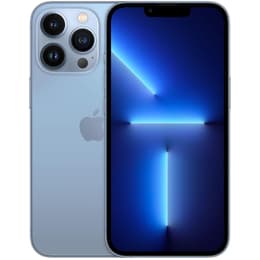
iPhone 13 Pro
iPhone 13 Pro
Starting at

Refurbished price:£232.00

Versus £949.00 new

See options

Ratings

The Samsung Galaxy Z Flip6 (2024) and the iPhone 13 Pro (2021) represent two distinct approaches to the modern smartphone experience. While the Galaxy Z Flip6 focuses on a compact, foldable design that fits easily into small pockets, the iPhone 13 Pro offers a traditional, robust build with a focus on professional-grade photography and smooth software integration. The Galaxy Z Flip6 runs on the Android operating system with Samsung's custom interface, whereas the iPhone 13 Pro utilises Apple's iOS ecosystem. Choosing between them often comes down to whether you prefer a versatile, folding form factor or a classic, high-performance device with a proven track record.

Scores

Durability

The release dates of these two devices significantly impact their long-term software support and physical resilience in daily use.

  • Software Longevity: The Galaxy Z Flip6, being a 2024 release, is expected to receive software updates and security patches for several years longer than the iPhone 13 Pro, which launched in 2021. This makes the Samsung device better suited for users who plan to keep their phone for the maximum possible duration.
  • Physical Build and Resilience: The iPhone 13 Pro features a stainless steel frame and Ceramic Shield glass, offering high resistance to drops and scratches. In contrast, the Galaxy Z Flip6 uses a complex hinge mechanism and a flexible inner screen that requires more careful handling to maintain its integrity over time.
  • Repairability Considerations: The iPhone 13 Pro has a well-established repair network, though its internal design is intricate. The Galaxy Z Flip6's folding components make repairs more specialised, which is a factor for users who prioritises ease of maintenance.

Year of Release

2024

2021

Compatible with latest Update

Yes

Yes

OS

Android

iOS

Foldable

Yes

No

Performance

Both smartphones handle demanding tasks with ease, though they manage power and multitasking differently based on their internal hardware and software optimisation.

  • System Responsiveness: The Galaxy Z Flip6 provides a fluid experience when switching between apps and running intensive mobile games, benefiting from its more recent internal components. The iPhone 13 Pro remains highly responsive for everyday tasks, though it may show its age slightly sooner when running the most demanding future applications.
  • Multitasking and Memory: With a higher amount of memory, the Galaxy Z Flip6 is well-suited for users who keep many apps open simultaneously. The iPhone 13 Pro relies on efficient software management to maintain a smooth experience, which works well for standard professional workflows.
  • Storage and Battery: The iPhone 13 Pro offers a wider range of storage capacities, including a very large 1TB option for heavy media users. Regarding battery, the iPhone 13 Pro is known for efficient power consumption during standby, whereas the Galaxy Z Flip6's battery life is influenced by how often the larger internal screen is used compared to the smaller external display.

Memory (GB)

12 GB

6 GB

Screen quality

The display experience is the most striking difference between these two models, catering to different visual preferences and usage habits.

  • Display Technology: The Galaxy Z Flip6 features a flexible internal screen that offers a large viewing area in a compact form, while the iPhone 13 Pro uses a high-quality OLED panel known for its colour accuracy and deep blacks. The Samsung also includes a smaller cover screen for quick notifications without unfolding the device.
  • Smoothness and Clarity: Both devices offer high refresh rates, ensuring that scrolling through social media or playing games feels smooth and responsive to the touch. The iPhone 13 Pro provides a consistent, flat surface, while the Galaxy Z Flip6 has a slight crease where the screen folds, which is a factual trade-off for its portability.
  • Outdoor Visibility: The iPhone 13 Pro maintains excellent clarity even in direct sunlight, a trait the Galaxy Z Flip6 also shares. Both screens are designed to be bright enough for comfortable use in various lighting conditions, though the iPhone's traditional glass may have fewer reflections in certain environments.

Resolution

1080 x 2640

1170 x 2532

Screen type

Foldable Dynamic LTPO AMOLED 2X

Super Retina XDR OLED

Audiovisual

Photography and media consumption are handled with different priorities on each device, particularly regarding zoom capabilities and video features.

  • Camera Versatility: The iPhone 13 Pro includes a dedicated telephoto lens for high-quality zoomed-in shots, which the Galaxy Z Flip6 lacks. The Samsung device focuses instead on a high-resolution main sensor and an ultra-wide lens, which are excellent for landscapes and everyday snapshots.
  • Video and Audio: The iPhone 13 Pro is widely recognised for its stable video recording and natural sound capture, making it well-suited for users who record a lot of video content. The Galaxy Z Flip6 offers unique hands-free recording options, as it can be propped up at an angle thanks to its folding design.
  • Speaker Performance: Both phones provide clear stereo sound for media consumption. The iPhone 13 Pro tends to offer a slightly fuller audio profile for watching movies or listening to music without headphones, while the Galaxy Z Flip6 provides a clear and balanced output for its size.

Main camera

50 megapixels

12 megapixels

Front camera

10 megapixels

12 megapixels

Miscellaneous

Practical features like connectivity and physical dimensions play a large role in how these devices fit into your daily routine and handling preferences.

  • Portability and Weight: The Galaxy Z Flip6 is designed for maximum portability, folding down to half its size to fit into small pockets or bags. The iPhone 13 Pro is a solid, slightly heavier device that feels substantial in the hand, which some users may prefer for its sense of stability.
  • Connectivity and Ports: The Galaxy Z Flip6 uses a standard USB-C port for charging and data transfer, which is compatible with most modern accessories. The iPhone 13 Pro uses the Lightning connector. Both devices support 5G for fast mobile internet speeds and have modern Wi-Fi and Bluetooth standards.
  • Biometrics and Security: For security, the Galaxy Z Flip6 utilises a fingerprint sensor built into the power button, allowing for quick unlocking even when the device is folded. The iPhone 13 Pro relies on facial recognition technology, which provides a secure and seamless way to unlock the phone and authorise payments.

Weight

187 g

203 g

Screen size (in)

6.7

6.1

Mobile network

5G

5G

SIM card

Physical SIM + eSIM

Physical SIM + eSIM

Carrier compatibility

Unlocked

Unlocked

User feedback from various forums highlights the distinct strengths of both devices. Owners of the Galaxy Z Flip6 often praise its innovative design and how easily it fits into pockets, though some express caution regarding the long-term durability of the folding screen. iPhone 13 Pro users frequently cite the device's reliable camera system and the longevity of the iOS ecosystem as major benefits, with occasional notes on its weight compared to newer, lighter models.

Users who prioritise a compact, modern design and want the latest software features will find the Galaxy Z Flip6 to be a compelling choice. On the other hand, those who value a traditional, sturdy build with a versatile camera system including optical zoom may lean toward the iPhone 13 Pro. Choosing a quality-assured refurbished option for either model is a sustainable choice that helps reduce electronic waste while providing a high-performance smartphone experience. Ultimately, the decision rests on whether you value the novelty and portability of a foldable or the proven reliability and photographic excellence of a classic flagship. As an eco-friendly alternative, both devices remain excellent performers that cater to different lifestyle needs without compromising on core functionality.

See all articles

Our recent comparisons