
Compare models

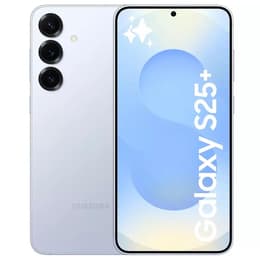
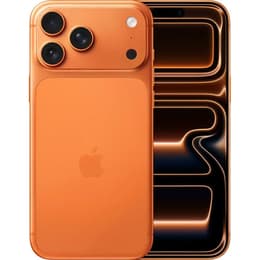
Galaxy S25+ Vs iPhone 17 Pro Max

  • 1-year minimum warranty
  • Free delivery on all items
  • Free 30-day returns
Galaxy S25+
Starting at

Refurbished price:£513.00

Versus £999.00 new

See options
iPhone 17 Pro Max
Starting at

Refurbished price:£924.00

Versus £1,199.00 new

See options

Differences at a glance

The Samsung Galaxy S25+ (2025) and the Apple iPhone 17 Pro Max (2025) represent upper-tier choices in the smartphone market, each bringing distinct operating systems and hardware philosophies to the table. While the Galaxy S25+ operates on Android with Samsung's custom interface, the iPhone 17 Pro Max runs on Apple's iOS platform. Both devices offer premium build quality and advanced features, but they cater to different user preferences regarding screen scale, software ecosystems, and daily utility.

Available Models

Colour

Storage

Scores

Durability

Both smartphones provide robust longevity frameworks, though they differ slightly in launch timing and expected software support timelines.

  • Software Support: Both manufacturers provide multi-year commitments for security patches and major operating system upgrades, helping ensure the devices remain secure and current for years.
  • Repairability and Build: Both models utilize durable glass and reinforced metal frames designed to withstand everyday wear, with structured repair ecosystems available through official and quality-assured refurbished service channels.
  • Battery Degradation Management: Both devices incorporate intelligent software features to manage charging cycles and preserve long-term battery health during daily use.

Year of Release

2025

2025

OS

Android

iOS

Foldable

No

No

Performance

Daily responsiveness and multitasking capabilities remain exceptionally high on both devices, allowing demanding applications and games to run smoothly.

  • Multitasking and Memory: Both smartphones feature ample random access memory that enables seamless switching between heavy productivity applications and media tools without reloading delays.
  • Storage Capacity: Generous base storage tiers accommodate large photo libraries, downloaded media, and offline documents.
  • Battery Endurance: Both models are engineered to easily navigate a full day of mixed usage, though physical battery capacities and charging speeds vary based on hardware efficiency.

Screen quality

Viewing experiences differ primarily in display dimensions and panel tuning, though both offer high-resolution clarity and smooth refresh rates.

  • Display Technology: Both devices utilize advanced OLED panel technology, delivering deep black levels, high contrast, and vivid color reproduction for media consumption.
  • Outdoor Visibility: High peak brightness levels on both screens ensure content remains legible under direct sunlight.
  • Refresh Rate: Adaptive high refresh rates provide fluid scrolling through web pages and responsive animations during gaming or navigation.

Resolution

1440x3120

2868x1320

Audiovisual

Photography and video capture systems on both models cater to everyday creators and casual users alike, utilizing advanced multi-lens setups.

  • Lens Versatility: Both configurations include main, ultra-wide, and telephoto or high-resolution options that handle various scenarios from wide landscapes to close-up subjects.
  • Low-Light Performance: Advanced sensor processing helps capture sharp images and balanced lighting in dim environments without requiring manual adjustments.
  • Video Recording: Both phones provide stabilization features and high-definition recording modes suitable for capturing smooth home videos or professional content.

Miscellaneous

Physical dimensions and connectivity standards reflect modern engineering choices, impacting how each device feels during one-handed or two-handed handling.

  • Connectivity: Both models support modern wireless standards including fast Wi-Fi networks and 5G connectivity for rapid data transfers.
  • Physical Ports: Universal USB-C ports handle wired charging and data synchronization on both devices.
  • Handling and Form Factor: The Galaxy S25+ features a slightly more streamlined profile, whereas the iPhone 17 Pro Max offers a wider, more expansive physical footprint to accommodate its larger display.

Weight

190 g

233 g

Screen size (in)

6.7

6.9

Mobile network

5G

5G

SIM card

Physical SIM + eSIM

Physical SIM + eSIM

Carrier compatibility

Unlocked

Unlocked

Connector

USB-C

USB-C

What the community thinks

User feedback highlights distinct preferences for each device based on ecosystem familiarity and hardware size. Users often praise the Galaxy S25+ for its comfortable ergonomics, streamlined interface, and deep customization options. Conversely, users frequently commend the iPhone 17 Pro Max for its expansive display workspace, robust video editing capabilities, and seamless integration within the Apple device network.

Users prioritizing a lighter physical footprint and Android customization may prefer the Galaxy S25+, while users seeking a larger screen and the iOS environment may lean toward the iPhone 17 Pro Max. For consumers interested in a quality-assured refurbished option, choosing a sustainable device from Back Market offers a reliable way to access these advanced technologies while supporting eco-friendly purchasing habits.
Our recent comparisons