

Samsung
Compare models
Differences at a glance
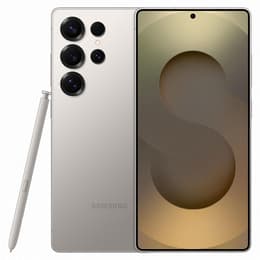
The Samsung Galaxy S25 Ultra, a flagship smartphone released in February 2025, and the Google Pixel 9A, a mid-range device launched in April 2025, represent distinct approaches to the modern smartphone experience. While both run on the Android operating system and offer extensive software support, they cater to different user priorities through their hardware capabilities and design philosophies. The Galaxy S25 Ultra emphasizes cutting-edge performance, a versatile camera system, and a large, immersive display, whereas the Pixel 9A focuses on a balanced user experience with strong software integration and a reliable camera for its segment.
Colour
Storage
The longevity of a smartphone is influenced by its release timeline, software support, and physical durability. Both devices offer substantial support, but their initial release dates place them at different points in their lifecycle.
Year of Release
Compatible with latest Update
OS
Foldable
Performance is a key differentiator, with the flagship Galaxy S25 Ultra designed for demanding tasks and the Pixel 9A offering efficient operation for everyday use.
The visual experience on a smartphone is largely defined by its display, and both devices offer distinct characteristics.
Resolution
Camera capabilities are a significant factor for many users, and both devices offer compelling photographic tools, albeit with different strengths.
Front camera
Beyond core specifications, several practical elements contribute to the overall user experience.
Weight
Screen size (in)
Mobile network
SIM card
Carrier compatibility
Connector
The Samsung Galaxy S25 Ultra and the Google Pixel 9A cater to different segments of the smartphone market, each with its own set of strengths and user appeal. Users frequently praise the Galaxy S25 Ultra for its expansive and vibrant display, powerful performance that handles demanding applications with ease, and its highly versatile camera system with extensive zoom capabilities. Its premium build quality and long-term software support are also commonly highlighted as significant advantages. Some users, however, have noted that the on-screen fingerprint sensor could be more responsive or that the design, while refined, might lack truly 'inspiring' color options compared to previous models.
Conversely, the Google Pixel 9A receives consistent acclaim for its excellent main camera performance, often delivering impressive photos for its category, particularly in daylight and with its Macro Focus feature. Its robust battery life, efficient performance for everyday tasks, and Google's commitment to seven years of software updates are also frequently lauded. Criticisms sometimes point to its ultrawide camera not being as strong as the main sensor, its more basic styling, and the presence of noticeable bezels around the display.
Users prioritizing a top-tier multimedia experience, advanced photography features, and raw processing power for intensive tasks will find the Samsung Galaxy S25 Ultra well-suited to their needs. Its large, high-resolution display and comprehensive camera system make it ideal for content creators, mobile gamers, and those who demand the utmost from their device. On the other hand, users who value a balanced smartphone experience with a strong emphasis on camera quality for everyday shots, reliable battery life, and a clean, long-supported software experience may prefer the Google Pixel 9A. It offers a more compact form factor and delivers a premium user experience without the full flagship specifications.
For those considering either device, exploring quality-assured refurbished options can provide an eco-friendly alternative, allowing access to these advanced technologies in a sustainable way.