
Galaxy A16 Vs OnePlus 10 Pro

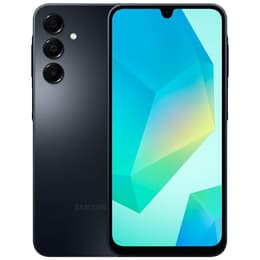
Galaxy A16
Galaxy A16
Starting at

Refurbished price:£100.62

Versus £206.96 new

See options
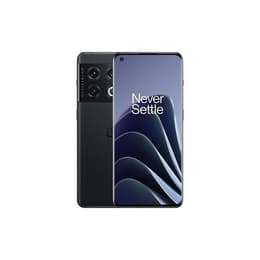
OnePlus 10 Pro
OnePlus 10 Pro
Starting at

Refurbished price:£391.00

Versus £769.39 new

See options

Ratings

The Samsung Galaxy A16 (2024) and the OnePlus 10 Pro (2022) represent two distinct philosophies in the smartphone market. While the Galaxy A16 is a modern mid-range device designed for longevity and essential daily tasks, the OnePlus 10 Pro was launched as a high-end flagship, offering premium hardware that remains highly competitive several years after its initial release. Both devices run on the Android operating system, though they offer different user experiences through Samsung’s One UI and OnePlus’s OxygenOS, each providing unique customisation options and visual styles for the user.

Scores

Durability

The Galaxy A16 and OnePlus 10 Pro differ significantly in their release timelines, which directly impacts their expected software support and practical lifespan in 2026.

  • Software Longevity: As a much newer release, the Galaxy A16 benefits from a significantly longer future update window, with Samsung promising many years of security patches and operating system refreshes that will keep the device current well into the decade.
  • Build and Repair: The OnePlus 10 Pro features a robust glass and metal construction that feels substantial, while the Galaxy A16 uses practical, lightweight materials designed for everyday resilience and often scores well for ease of component access during repairs.
  • Practical Lifespan: While the OnePlus 10 Pro is the older device and is approaching the end of its official software support cycle, its high-quality internal components help it remain functional and responsive for users who do not require the very latest software versions.

Year of Release

2024

2022

Compatible with latest Update

Yes

Yes

OS

Android

Android

Foldable

No

No

Performance

Choosing between these two smartphones involves weighing the efficiency of a modern mid-range processor against the raw power of a former flagship engine.

  • System Responsiveness: The OnePlus 10 Pro was engineered to handle intensive tasks, meaning it remains exceptionally fluid when switching between demanding applications or engaging in high-end mobile gaming without lag.
  • Daily Efficiency: The Galaxy A16 is optimized for standard daily use, such as social media browsing, web surfing, and video streaming, offering a smooth and reliable experience for users who do not perform heavy multitasking.
  • Battery and Charging: Both devices feature large batteries that comfortably last a full day of typical use, but the OnePlus 10 Pro supports significantly faster charging speeds, allowing it to recover power in a fraction of the time. Choosing a quality-assured refurbished option for the OnePlus can provide this high-level performance while supporting more sustainable consumption habits.

Memory (GB)

4 GB

8 GB

Screen quality

The display experience highlights the technological gap between mid-range and flagship screens, with each offering different benefits for visual media.

  • Display Technology: The OnePlus 10 Pro utilizes advanced screen technology that allows the refresh rate to adjust dynamically, which preserves battery life while providing exceptionally smooth motion during scrolling and animations.
  • Clarity and Detail: With a higher native resolution, the OnePlus 10 Pro offers sharper text and more intricate detail in images, which is particularly noticeable when viewing high-definition video content or editing photos.
  • Outdoor Visibility: The Galaxy A16 features a bright and vibrant AMOLED screen that performs well in most lighting conditions, though the OnePlus 10 Pro can reach higher peak brightness levels, making it slightly easier to view under direct, harsh sunlight.

Resolution

1080 x 2340

1440 x 3216

Screen type

Super AMOLED

LTPO2 Fluid AMOLED

Audiovisual

Photography and media consumption are areas where the original market positioning of these two phones is most apparent in their hardware capabilities.

  • Camera Versatility: The OnePlus 10 Pro includes a dedicated telephoto lens for high-quality zoomed shots, a feature absent on the Galaxy A16, which relies on a standard wide and ultra-wide lens configuration for its photography.
  • Low-Light Performance: Thanks to larger physical sensors, the OnePlus 10 Pro captures more light in challenging environments, resulting in clearer and more detailed photos in dim settings compared to the Galaxy A16.
  • Audio Experience: The OnePlus 10 Pro provides a more immersive sound experience through its dual-speaker system, whereas the Galaxy A16 offers clear and functional audio that is well-suited for voice calls and casual video watching.

Main camera

50 megapixels

48 megapixels

Front camera

13 megapixels

32 megapixels

Miscellaneous

Practical features and physical handling often dictate the daily user experience more than raw specifications, and these devices offer different ergonomic choices.

  • Biometrics and Security: The OnePlus 10 Pro utilizes a fast in-display fingerprint sensor for secure unlocking, while the Galaxy A16 often integrates the sensor into the side power button for quick, tactile access that many users find intuitive.
  • Physical Dimensions: The Galaxy A16 is designed with a focus on ergonomics and a lightweight feel, making it easy to handle for long periods, whereas the OnePlus 10 Pro has a more weighted, substantial presence due to its premium materials.
  • Connectivity: Both smartphones support 5G networks for fast mobile data, but the OnePlus 10 Pro supports more advanced Wi-Fi standards, which can result in faster and more stable internet connections in homes with modern routers.

Weight

200 g

201 g

Screen size (in)

6.7

6.7

Mobile network

4G

5G

SIM card

Dual Physical SIM

Physical SIM

Carrier compatibility

Unlocked

Unlocked

Connector

USB-C

USB-C

User feedback for the Galaxy A16 often highlights its impressive battery consistency and the peace of mind that comes with a newer device and long-term software support. Many users appreciate that while it isn't a performance powerhouse, it handles the basics with absolute reliability. Conversely, the OnePlus 10 Pro is frequently praised in community forums for its incredibly fast charging and the premium feel of its display and camera system. Some long-term users of the OnePlus mention that while the hardware remains excellent, the battery health may naturally decline over several years of heavy use, which is a common trait for older flagship models.

Users who prioritize having the latest software updates and a device that will stay current for the maximum number of years may find the Galaxy A16 better suited to their needs. Those who desire a more premium media experience, faster charging, and superior camera capabilities for photography will likely lean toward the OnePlus 10 Pro. Opting for a sustainable choice like a quality-assured refurbished OnePlus 10 Pro allows users to access these flagship features at a different stage of the product's lifecycle. Ultimately, the decision rests on whether you value the long-term software security of a newer mid-range model or the high-end performance and build quality of a slightly older flagship.


See all articles

Our recent comparisons