
Google Pixel 8 Vs OnePlus 10 Pro

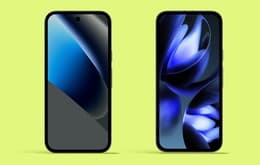
Google Pixel 8
Google Pixel 8
Starting at

Refurbished price:£205.00

Versus £856.87 new

See options
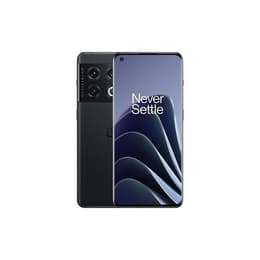
OnePlus 10 Pro
OnePlus 10 Pro
Starting at

Refurbished price:£288.99

Versus £999.00 new

See options

Ratings

The Google Pixel 8, released in October 2023, and the OnePlus 10 Pro, launched in early 2022, are both Android smartphones offering distinct user experiences. While the Pixel 8 emphasizes advanced computational photography and long-term software support, the OnePlus 10 Pro focuses on raw performance, a versatile camera system, and rapid charging capabilities. Both devices run on the Android operating system, but they offer different approaches to software and hardware integration, catering to varying user preferences.

Scores

Durability

The expected lifespan and ongoing support for these devices present a notable difference, primarily due to their release timelines and manufacturer commitments.

  • Release Timeline and OS Support: The Google Pixel 8, being a more recent device from October 2023, benefits from Google's commitment to providing seven years of OS and security updates, extending its software longevity until at least October 2030. In contrast, the OnePlus 10 Pro, released in early 2022, typically receives three major Android OS updates and four years of security updates, meaning it is nearing the end of its major OS update cycle.
  • Repairability: The Pixel 8 generally receives a decent repairability score, around 7 out of 10, indicating that self-repairs are possible for those with some experience. The OnePlus 10 Pro has a repairability score ranging from 6 to 8 out of 10, with some components like the battery and screen being accessible, though adhesive use can complicate repairs.
  • Practical Lifespan: Users prioritizing extended software support and the latest Android features will find the Pixel 8's longer update commitment more appealing for a practical lifespan. The OnePlus 10 Pro, while still functional, will receive fewer future OS upgrades.

Year of Release

2023

2022

Compatible with latest Update

Yes

Yes

OS

Android

Android

Foldable

No

No

Performance

When evaluating performance, both smartphones deliver smooth operation for daily tasks, but their underlying architectures and optimizations cater to slightly different strengths.

  • Processor Capabilities: The Google Pixel 8 is powered by Google's Tensor G3 processor, which is optimized for on-device artificial intelligence and machine learning tasks, contributing to advanced computational photography and efficient handling of AI-driven features. The OnePlus 10 Pro features a Snapdragon 8 Gen 1 processor, known for its strong raw processing power, which translates to fluid multitasking and demanding gaming experiences.
  • Multitasking and Storage: The Pixel 8 typically comes with 8GB of RAM, while the OnePlus 10 Pro offers configurations with 8GB or 12GB of RAM, potentially providing a slight edge in managing a large number of open applications simultaneously for the higher-end OnePlus model. Both devices offer various internal storage options, commonly 128GB or 256GB, utilizing UFS 3.1 for fast data access.
  • Battery Behavior: The Pixel 8 houses a 4575mAh battery, designed to last a full day of typical use with software optimizations. The OnePlus 10 Pro includes a larger 5000mAh battery, often praised by users for its extended battery life, frequently lasting more than a full day. The OnePlus 10 Pro also supports significantly faster wired and wireless charging speeds.

Memory (GB)

8 GB

8 GB

Screen quality

The visual experience on both devices is vibrant, though they differ in size, resolution, and peak brightness capabilities.

  • Display Technology and Resolution: The Google Pixel 8 features a 6.2-inch OLED Actua display with a 2400x1080 (FHD+) resolution, offering deep blacks and good color reproduction. The OnePlus 10 Pro boasts a larger 6.7-inch Fluid AMOLED display with LTPO 2.0 technology, providing a sharper 3216x1440 (QHD+) resolution.
  • Brightness and Refresh Rate: The Pixel 8's display can reach a peak brightness of up to 2000 nits, ensuring good visibility in bright outdoor conditions, and has a variable refresh rate of 60-120Hz. The OnePlus 10 Pro offers a peak brightness of up to 1300 nits and features an LTPO panel that dynamically adjusts its refresh rate from 1Hz to 120Hz, which can contribute to power efficiency.
  • Viewing Experience: Users prioritizing a more compact device with excellent outdoor visibility might lean towards the Pixel 8. Those who prefer a larger, higher-resolution screen with adaptive refresh rate technology for a smoother visual experience may find the OnePlus 10 Pro more suitable.

Resolution

1080 x 2400

1440 x 3216

Screen type

OLED

LTPO2 Fluid AMOLED

Audiovisual

Both smartphones offer capable camera systems, but they approach photography with different philosophies and hardware configurations.

  • Camera System Configuration: The Google Pixel 8 features a dual-camera setup with a 50MP main sensor and a 12MP ultrawide lens, which now includes autofocus and macro capabilities. The OnePlus 10 Pro offers a triple-camera system, including a 48MP main sensor, a 50MP ultrawide lens with an expansive 150-degree field of view, and an 8MP telephoto lens with 3.3x optical zoom.
  • Photography Performance: The Pixel 8 excels in computational photography, leveraging its processor for features like Magic Editor, Best Take, and enhanced low-light performance, producing consistently high-quality images with natural colors. The OnePlus 10 Pro benefits from Hasselblad color calibration, aiming for realistic color reproduction, and offers a versatile range of focal lengths, including a very wide ultrawide option and optical zoom.
  • Video Recording: Both devices support 4K video recording at various frame rates, with the Pixel 8 introducing features like Night Sight Video and Audio Magic Eraser. The OnePlus 10 Pro can record 8K video and offers a Pro mode for video, providing more control for creators.

Main camera

50 megapixels

48 megapixels

Front camera

10.5 megapixels

32 megapixels

Miscellaneous

Beyond core specifications, several practical elements contribute to the overall user experience of these smartphones.

  • Connectivity and Ports: Both the Pixel 8 and OnePlus 10 Pro support 5G connectivity, modern Wi-Fi standards (including Wi-Fi 6E or 7 for Pixel 8), and Bluetooth 5.3. Both devices utilize a USB-C port for charging and data transfer and lack a traditional 3.5mm headphone jack.
  • Biometrics and Sensors: The Pixel 8 features an in-display optical fingerprint sensor and face unlock. The OnePlus 10 Pro also includes an in-display optical fingerprint sensor and face unlock, with users often praising the speed and accuracy of its biometric authentication.
  • Build Materials and Durability: The Pixel 8 has a glass front and back (Gorilla Glass Victus) with an aluminum frame and an IP68 rating for dust and water resistance. The OnePlus 10 Pro also uses Gorilla Glass Victus for its display and has a glass back with an aluminum frame, but the global model typically lacks an official IP rating, though it is generally considered splash resistant. Some durability tests for the OnePlus 10 Pro have shown it can be susceptible to bending under significant pressure.

Weight

187 g

201 g

Screen size (in)

6,2

6.7

Mobile network

5G

5G

SIM card

Physical SIM + eSIM

Physical SIM

Carrier compatibility

Unlocked

Unlocked

Connector

USB-C

USB-C

The Google Pixel 8 and OnePlus 10 Pro cater to different priorities within the Android smartphone market. Users frequently praise the Pixel 8 for its exceptional camera capabilities, particularly its computational photography features and long-term software support, which ensures the device remains current for many years. Common criticisms sometimes point to its battery life being good but not outstanding compared to some rivals, and its processor, while excellent for AI, might not always match the raw performance of some competitors in synthetic benchmarks.

The OnePlus 10 Pro is often lauded for its powerful performance, vibrant QHD+ display with a dynamic refresh rate, and very fast charging speeds. Its battery life is also a frequent highlight among users. However, some users have noted that its camera, while versatile with a telephoto lens and ultra-wide options, might not consistently deliver the same level of image processing as the Pixel in all conditions. The lack of an official IP rating for most models and some durability concerns in extreme bend tests have also been mentioned.

Users prioritizing a cutting-edge camera experience, extensive software longevity, and a compact form factor will find the Google Pixel 8 well-suited to their needs. Conversely, users who value raw processing power for gaming and demanding applications, a larger and higher-resolution display, and exceptionally fast charging will likely lean towards the OnePlus 10 Pro. Both devices represent strong choices, and considering a quality-assured refurbished option for either model can be an eco-friendly alternative for consumers.


See all articles

Our recent comparisons