
Google Pixel 8 Vs iPhone 12 Pro

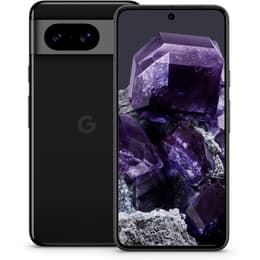
Google Pixel 8
Google Pixel 8
Starting at

Refurbished price:£187.00

Versus £699.99 new

See options
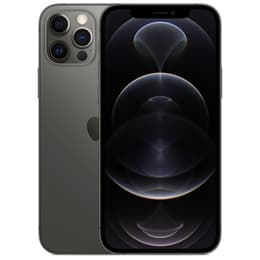
iPhone 12 Pro
iPhone 12 Pro
Starting at

Refurbished price:£204.00

Versus £879.00 new

See options

Ratings

The Google Pixel 8 (2023) and the iPhone 12 Pro (2020) represent two distinct approaches to the modern smartphone experience. While the Pixel 8 is a more recent release focusing on integrated software intelligence and a high-refresh-rate display, the iPhone 12 Pro remains a powerful contender known for its robust build quality and versatile triple-camera array. Both devices serve as flagship-tier options within their respective ecosystems, offering users a choice between the customisable nature of Android and the streamlined integration of iOS.

Despite the three-year gap between their launches, these smartphones continue to provide reliable performance for everyday tasks, photography, and media consumption. The Pixel 8 introduces modern display standards and extended software support, while the iPhone 12 Pro maintains its relevance through a sophisticated design and a comprehensive set of camera tools that were ahead of their time at launch.

Scores

Durability

When evaluating how long these devices will remain functional and secure, the primary differences lie in their release dates and the manufacturer's commitment to software updates.

  • Software Longevity: The Pixel 8 is supported by a commitment to seven years of operating system and security updates, which means it is expected to receive the latest features and protections until 2030. In contrast, the iPhone 12 Pro is further along in its lifecycle, typically receiving major updates for six to seven years from its 2020 release, suggesting its official support may conclude sooner.
  • Repairability and Maintenance: Both manufacturers have made strides in making parts more accessible for repairs, though the Pixel 8 is designed with more modern internal layouts that simplify battery and screen replacements. Choosing a quality-assured refurbished option for either model can further extend the practical lifespan of these devices while supporting environmental sustainability.
  • Physical Durability: The iPhone 12 Pro features a stainless steel frame and Ceramic Shield glass, which provides significant resistance to drops and scratches, while the Pixel 8 uses a durable aluminium frame and modern toughened glass to withstand daily wear and tear.

Year of Release

2023

2020

Compatible with latest Update

Yes

Yes

OS

Android

iOS

Foldable

No

No

Performance

Performance in daily use is smooth on both devices, though they handle demanding applications and multitasking with different levels of efficiency based on their internal hardware generations.

  • System Responsiveness: The Pixel 8 handles modern, resource-heavy applications and complex photo editing tasks with high speed and fluid transitions. The iPhone 12 Pro, despite being older, remains remarkably quick for browsing, social media, and productivity apps, showing very little slowdown in standard navigation.
  • Multitasking and Memory: With ample memory for background tasks, the Pixel 8 allows users to switch between many open apps without them needing to reload. The iPhone 12 Pro also manages memory efficiently, ensuring that even with several apps open, the user experience remains consistent and stutter-free.
  • Battery Behaviour: In typical daily usage, the Pixel 8 generally offers enough power to last through a full day of heavy activity, including navigation and video streaming. The iPhone 12 Pro provides reliable battery life for a standard workday, though users who engage in constant gaming or video recording may find themselves needing a midday charge more often.

Memory (GB)

8 GB

6 GB

Screen quality

The display technology on these smartphones defines the visual experience, with the Pixel 8 offering more modern motion handling and the iPhone 12 Pro providing a classic, high-contrast viewing area.

  • Motion Smoothness: The Pixel 8 features a high refresh rate that makes scrolling through lists and playing supported games feel exceptionally fluid. The iPhone 12 Pro uses a standard refresh rate which, while smooth and responsive to touch, does not offer the same level of visual fluidity during fast on-screen movement.
  • Brightness and Outdoor Use: For users who frequently use their phones outside, the Pixel 8 can reach very high brightness levels, making the screen easy to read even in direct sunlight. The iPhone 12 Pro also offers a bright and clear display, though it may be slightly more challenging to view in the harshest midday light compared to the newer model.
  • Display Technology: Both phones utilise OLED screens, which ensure deep blacks, vibrant colours, and excellent contrast for watching movies or viewing photos. The Pixel 8 has a slightly more compact feel, while the iPhone 12 Pro provides a sharp and colour-accurate experience that has long been a staple of the Pro series.

Resolution

1080 x 2400

1170 x 2532

Screen type

OLED

Super Retina XDR OLED

Audiovisual

Photography and video capabilities are central to both devices, with the Pixel 8 relying on advanced software processing and the iPhone 12 Pro offering a versatile range of physical lenses.

  • Camera Versatility: The iPhone 12 Pro includes a dedicated telephoto lens, allowing for clearer zoomed-in photos without losing detail. The Pixel 8 lacks a physical zoom lens but uses high-resolution sensor cropping and software enhancements to produce sharp images even when zooming in on a subject.
  • Low-Light Performance: The Pixel 8 is highly regarded for its ability to capture bright, detailed photos in near-total darkness through sophisticated image processing. The iPhone 12 Pro uses a depth-sensing sensor to assist with focus and detail in low light, resulting in natural-looking evening shots and portraits.
  • Video and Audio Quality: Video recording on the iPhone 12 Pro is noted for its stability and consistent colour reproduction, making it a favourite for social media creators. The Pixel 8 also produces high-quality video with excellent dynamic range and clear audio capture, ensuring that recorded memories look and sound realistic.

Main camera

50 megapixels

12 megapixels

Front camera

10.5 megapixels

12 megapixels

Miscellaneous

Practical features such as connectivity, physical ports, and security sensors play a significant role in how these devices fit into a user's daily routine.

  • Ports and Connectivity: The Pixel 8 uses the widely compatible USB-C port for charging and data transfer, which is the current standard for most electronics. The iPhone 12 Pro uses the Lightning port, which is specific to older Apple accessories. Both devices support 5G connectivity for fast mobile internet speeds in supported areas.
  • Security and Biometrics: Users of the Pixel 8 can choose between an under-display fingerprint scanner or facial recognition to unlock their device. The iPhone 12 Pro relies exclusively on a secure facial recognition system located in the notch at the top of the screen, which works effectively in various lighting conditions.
  • Build and Handling: The iPhone 12 Pro has a flat-edge design and a heavier stainless steel frame that gives it a substantial, industrial feel. The Pixel 8 features more rounded edges and a lighter aluminium frame, which some users find more comfortable for one-handed use over long periods.

Weight

187 g

187 g

Screen size (in)

6.2

6.1

Mobile network

5G

5G

SIM card

Physical SIM + eSIM

Physical SIM + eSIM

Carrier compatibility

Unlocked

Unlocked

Choosing between the Google Pixel 8 and the iPhone 12 Pro involves weighing the benefits of a newer, software-forward device against a classic, well-built professional model. User consensus on community forums often highlights the Pixel 8 for its incredibly smooth display and the helpfulness of its automated software features, such as call screening and advanced photo editing. On the other hand, the iPhone 12 Pro is frequently praised for its enduring design and the reliability of its video performance, which many users feel still competes well with newer releases. Some users have noted that the iPhone 12 Pro battery may require more attention as the device ages, while the Pixel 8 is sometimes mentioned for its tendency to become warm during very intensive processing tasks.

Users who prioritise long-term software support, a highly responsive screen, and the latest integrated features will likely find the Pixel 8 to be the most suitable choice for their needs. Conversely, those who prefer a dedicated zoom lens, a premium stainless steel aesthetic, and the familiarity of the iOS ecosystem may lean toward the iPhone 12 Pro. For those seeking a sustainable choice, both smartphones are available as quality-assured refurbished options, offering a way to access high-end technology while reducing environmental impact. Ultimately, both devices remain excellent tools for communication and creativity, providing a high-quality experience regardless of which ecosystem you prefer.

See all articles

Our recent comparisons