
Compare models

Galaxy Z Fold5 Vs iPhone Air

  • 1-year minimum warranty
  • Free delivery on all items
  • Free 30-day returns
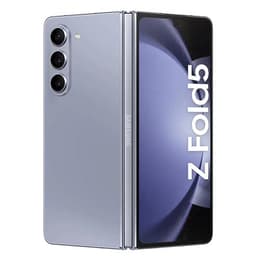
Galaxy Z Fold5
Starting at

Refurbished price:£384.00

Versus £1,627.21 new

See options
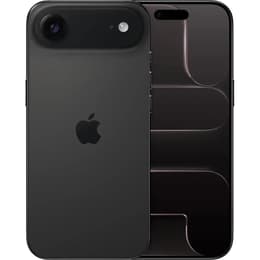
iPhone Air
Starting at

Refurbished price:£586.99

Versus £1,099.00 new

See options

Differences at a glance

The Samsung Galaxy Z Fold5 (2023) and the Apple iPhone Air (2025) represent two entirely different directions in modern mobile design, pitting a versatile folding screen device against an ultra-thin candybar smartphone. While they target very different physical formats, both serve users looking for high-end functionality paired with distinct ergonomic profiles. Operating on Android and iOS respectively, these devices offer contrasting software ecosystems alongside unique design philosophies that alter daily interactions.

Available Models

Colour

Storage (GB)

Scores

Durability

When evaluating longevity, these devices offer different update paths and physical resilience designs based on their release years and form factors.

  • Software Support Timeline: The iPhone Air benefits from a newer release date, providing a longer expected window of operating system and security updates compared to the earlier-generation Galaxy Z Fold5.
  • Physical Resilience: The Galaxy Z Fold5 uses a complex folding hinge mechanism requiring careful handling over time, whereas the iPhone Air employs a rigid, ultra-thin titanium chassis designed to minimize structural vulnerabilities.
  • Repairability Considerations: Both models feature intricate internal engineering that generally requires professional service for major hardware repairs, though standard component replacements follow typical modern smartphone service standards.

Year of Release

2023

2025

Compatible with latest Update

Yes

Yes

OS

Android

iOS

Foldable

Yes

No

Performance

Both smartphones deliver fluid operational speeds for demanding tasks, utilizing generous system memory paired with custom hardware configurations.

  • Multitasking and Memory: Both devices include ample RAM capacity, enabling seamless switching between multiple active applications and smooth background processing.
  • Everyday Responsiveness: App launching, web browsing, and heavy graphics rendering execute without noticeable stutter, supported by advanced thermal designs that manage heat during sustained workloads.
  • Battery Behavior: The Galaxy Z Fold5's dual-screen setup requires managing power across two displays, while the iPhone Air's slim profile houses a compact battery cell that typically suits standard daily use before needing a recharge.

Screen quality

Display technology is a major differentiator here, contrasting a dual-display folding interface with a large, single-panel viewing surface.

  • Display Format: The Galaxy Z Fold5 offers a compact outer screen alongside an expansive tablet-sized inner folding display, whereas the iPhone Air features a traditional single, spacious OLED panel.
  • Visual Clarity and Refresh Rates: Both devices support high refresh rates up to 120 Hz, ensuring smooth scrolling, responsive touch tracking, and sharp text rendering across all active panels.
  • Outdoor Usability: High peak brightness levels on both models ensure that content remains legible and vibrant even under direct sunlight.

Resolution

1812 x 2176

2736x1260

Screen type

Foldable Dynamic AMOLED 2X

Super Retina XDR

Audiovisual

Imaging capabilities cater to different creative workflows, ranging from multi-lens versatility to streamlined single-lens capture.

  • Camera Array: The Galaxy Z Fold5 features a versatile triple-lens rear system including wide, ultra-wide, and telephoto options, while the iPhone Air relies on a single high-resolution main camera setup.
  • Media and Video Recording: Both phones capture crisp, stable video content with detailed audio recording capabilities suitable for casual content creation and video calls.
  • Audio Output: Built-in speaker systems deliver clear stereo sound for media consumption, podcasts, and hands-free communication.

Main camera

50 megapixels

48 megapixels

Front camera

4 megapixels

18 megapixels

Miscellaneous

Practical everyday features vary significantly in terms of physical handling, port connections, and physical dimensions.

  • Dimensions and Weight: The Galaxy Z Fold5 has a heavier, thicker footprint when folded to accommodate its hinge mechanism, whereas the iPhone Air stands out for its remarkably slim and lightweight profile.
  • Connectivity Standards: Both models support modern 5G cellular networks, high-speed Wi-Fi standards, and Bluetooth connectivity for reliable peripheral pairing.
  • Security and Authentication: The devices utilize distinct biometric security measures, integrating facial recognition and fingerprint scanning according to their respective hardware layouts.

Weight

253 g

165 g

Screen size (in)

Not included

6.5

Mobile network

5G

5G

SIM card

Dual Physical SIM + eSIM

eSIM

Carrier compatibility

Unlocked

Unlocked

What the community thinks

Users prioritizing multitasking versatility, split-screen productivity, and a transforming tablet experience will find the Samsung Galaxy Z Fold5 well-suited to their workflow. Conversely, users who value an exceptionally thin, lightweight everyday carry with a streamlined single-screen layout may lean toward the iPhone Air. Selecting a quality-assured refurbished option through Back Market provides a sustainable, eco-friendly way to acquire either device while supporting a more circular approach to electronics consumption.