Compare models
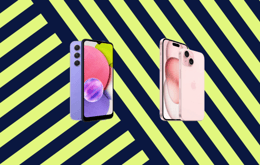
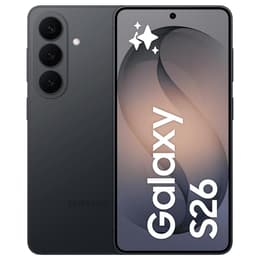
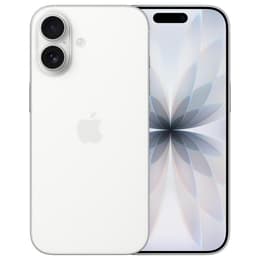
Galaxy S26 Vs iPhone 17
- 1-year minimum warranty
- Free delivery on all items
- Free 30-day returns
Differences at a glance
The Samsung Galaxy S26 (2026) and Apple iPhone 17 (2025) represent current flagship engineering from two major mobile ecosystems. Operating on Android and iOS respectively, both devices offer refined user experiences, though they differ notably in software environments and design focus.
Available Models
Colour
Storage (GB)
Scores
Durability
Both smartphones provide robust long-term usability, though their update timelines and repair frameworks reflect different manufacturer approaches.
- Software Support: Both brands support their flagship generations with multi-year operating system upgrades and security patches, helping maintain software relevance over extended periods.
- Build Longevity: Each model incorporates reinforced glass and sturdy frame materials designed to withstand daily wear, alongside high water and dust resistance ratings.
- Repair Ecosystem: Standardized internal layouts support professional component replacements, making quality-assured refurbished options a sustainable choice for extending device lifespans.
Year of Release
2026
2025
Performance
Everyday execution and multitasking capabilities across both devices handle demanding modern software without notable friction.
- Multitasking and Speed: Generous memory configurations and efficient current-generation processors ensure smooth app switching, rapid loading times, and responsive gaming.
- Storage Capacity: Both lineups start at higher baseline storage tiers and omit smaller legacy capacities, accommodating large photo libraries and extensive offline files.
- Battery Behavior: Optimized power management ensures both devices comfortably complete standard daily workflows, though heavy usage patterns may require evening charging.
Screen quality
Visual output across both displays delivers sharp detail and comfortable viewing under various lighting conditions.
- Display Technology: Both models utilize advanced organic light-emitting diode panels with high refresh rates, resulting in smooth scrolling and deep contrast levels.
- Outdoor Visibility: Peak brightness outputs allow content to remain legible even under direct sunlight or bright outdoor environments.
- Form Factor: Screen sizes hover near compact-to-mid dimensions, balancing expansive viewing space with manageable one-handed handling.
Audiovisual
Optics and multimedia configurations on both flagships capture crisp stills and fluid motion video for everyday documentation.
- Sensor Capabilities: Multi-lens configurations include high-resolution main sensors and wide-angle options that maintain clarity across different focal lengths.
- Low-Light Performance: Automated processing reduces noise and preserves detail in dim environments without requiring manual intervention.
- Media Consumption: Stereo speaker arrays deliver balanced audio output for calls, streaming video, and casual audio playback.
Miscellaneous
Physical dimensions, connectivity standards, and daily utility features shape how each device fits into routine handling.
- Connectivity: Modern cellular and wireless standards ensure fast data transfer rates and stable accessory pairing.
- Physical Dimensions: Slim profiles and moderate weights keep pocketability high, though subtle differences in width and corner curvature alter ergonomics.
- Authentication: Secure biometric options offer quick device unlocking and safe authorization for applications and payments.
Screen size (in)
6.3
6.3
Mobile network
5G
5G
SIM card
Physical SIM + eSIM
eSIM
Carrier compatibility
Unlocked
Unlocked
Connector
USB-C
USB-C
What the community thinks
Users evaluating these flagships frequently note the Galaxy S26's versatile display enhancements and flexible customization options, while praising the iPhone 17 for its seamless ecosystem integration and fluid animation consistency. Common discussions highlight appreciation for reliable battery management across both models, though some users mention that heavy camera processing can occasionally generate noticeable warmth during extended recording sessions. Consensus among everyday users indicates that both devices deliver dependable, high-tier performance suitable for multi-year ownership.
Users prioritizing deep customization, flexible file management, and diverse hardware form factors may prefer the Galaxy S26, while users embedded in the Apple ecosystem who value streamlined device synchronization will lean toward the iPhone 17. Buyers looking for an eco-friendly alternative can explore quality-assured refurbished options to acquire these flagship experiences more sustainably. Ultimately, the right choice depends entirely on individual platform preference and software habits rather than a definitive performance gap.