
Google Pixel 7 Vs iPhone 12 Pro

Google Pixel 7
Google Pixel 7
Starting at

Refurbished price:£140.99

Versus £649.99 new

See options
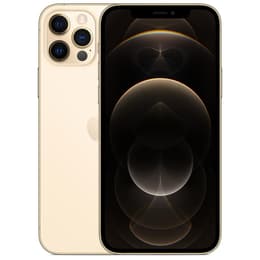
iPhone 12 Pro
iPhone 12 Pro
Starting at

Refurbished price:£204.00

Versus £879.00 new

See options

Ratings

The Google Pixel 7, launched in 2022, and the iPhone 12 Pro, released in 2020, represent two distinct approaches to the modern smartphone experience. While the Pixel 7 showcases Google's vision of a smart, helpful Android device, the iPhone 12 Pro remains a powerful contender within Apple's iOS ecosystem. The primary differences lie in their release timing and camera configurations, with the Pixel 7 offering newer software features and the iPhone 12 Pro providing a more versatile lens setup for photography enthusiasts.

Scores

Durability

The two-year gap between these devices significantly impacts their expected software support timelines and physical longevity in daily use.

  • Software Longevity: The Pixel 7 is expected to receive security updates until late 2027, providing a modern software experience for several more years. This ensures that the device remains protected against new vulnerabilities and continues to function with the latest applications.
  • Update Consistency: The iPhone 12 Pro typically receives major iOS updates for six to seven years from its launch, meaning it remains current through 2026 or 2027. Apple's history of long-term support means users can expect a stable experience even as the hardware ages.
  • Physical Resilience: Both devices feature high-grade water and dust resistance, though the iPhone 12 Pro uses a specialised glass designed for drop protection, while the Pixel 7 relies on a sturdy aluminium frame. These materials ensure that both phones can withstand the occasional accidental splash or minor bump.

Year of Release

2022

2020

Compatible with latest Update

Yes

Yes

OS

Android

iOS

Foldable

No

No

Performance

Everyday responsiveness remains high on both devices, though they handle tasks with different priorities and hardware efficiencies.

  • System Fluidity: The Pixel 7 excels at intelligent tasks like real-time voice transcription and automated call screening, making it feel highly responsive during daily organisation. This focus on helpful software means the device often anticipates user needs, such as identifying songs playing nearby or translating text instantly.
  • Multitasking and Gaming: The iPhone 12 Pro maintains a reputation for consistent performance in demanding applications and mobile gaming, even as it ages. The integration between hardware and software allows for smooth transitions between multiple open apps without noticeable lag or stuttering.
  • Battery Management: Users will find the Pixel 7 offers a larger battery capacity for long days, whereas the iPhone 12 Pro relies on efficient software to stretch its smaller battery through a standard workday. Heavy users may find they need to top up the iPhone more frequently than the Pixel.

Memory (GB)

8 GB

6 GB

Screen quality

Viewing content is a central part of the smartphone experience, and these displays offer different visual priorities for the user.

  • Motion Smoothness: The Pixel 7 features a higher refresh rate, which makes scrolling through social media feeds and navigating menus appear more fluid to the eye. This subtle difference in how the screen updates can reduce eye strain during long periods of reading or browsing.
  • Display Technology: Both phones utilise OLED panels that deliver deep blacks and vibrant colours, ensuring that films and photos look rich and detailed. This technology allows for high contrast ratios, making it easier to see details in dark scenes of a movie or in high-resolution photographs.
  • Outdoor Visibility: The iPhone 12 Pro provides high peak brightness levels, making the screen easier to read when used under direct sunlight or in bright outdoor environments. This is particularly useful for users who frequently use their phones for navigation or photography while outside.

Resolution

1080 x 2400

1170 x 2532

Screen type

AMOLED

Super Retina XDR OLED

Audiovisual

Photography is a major differentiator between these models, with one device focusing on software processing and the other on hardware versatility.

  • Zoom Capabilities: The iPhone 12 Pro includes a dedicated telephoto lens, allowing users to take clearer photos of distant subjects without losing detail. This hardware advantage is ideal for capturing portraits with natural depth or getting closer to the action at a sporting event.
  • Image Processing: The Pixel 7 is known for its computational photography, which automatically adjusts lighting and skin tones to produce natural-looking portraits in various conditions. The software works behind the scenes to balance shadows and highlights, often resulting in a more balanced image in tricky lighting.
  • Video and Low Light: While the iPhone 12 Pro is often preferred for its smooth video recording and fast focus in the dark, the Pixel 7 offers unique software tools to remove unwanted objects from the background of photos. Both devices provide excellent results for everyday social media sharing and memory keeping.

Main camera

50 megapixels

12 megapixels

Front camera

10.8 megapixels

12 megapixels

Miscellaneous

Practical features like charging ports and security sensors often dictate how a device fits into a user's existing ecosystem of accessories.

  • Connectivity and Ports: The Pixel 7 uses the universal USB-C standard for charging and data, which is compatible with most modern laptops and tablets. In contrast, the iPhone 12 Pro uses the Lightning port and supports magnetic accessories for wireless charging and easy attachment of wallets or stands.
  • Biometric Security: Users can unlock the Pixel 7 using a fingerprint sensor hidden under the display, whereas the iPhone 12 Pro uses facial recognition technology for secure access. Both methods offer a high level of security, though the preference often depends on whether a user finds looking at their phone or touching it more convenient.
  • Size and Handling: The iPhone 12 Pro is slightly more compact and features flat stainless steel edges, while the Pixel 7 is a bit larger with a distinctive horizontal camera bar on the back. The Pixel's design allows it to sit flat on a table without wobbling, while the iPhone's smaller footprint makes it easier to use with one hand.

Weight

197 g

187 g

Screen size (in)

6.3

6.1

Mobile network

5G

5G

SIM card

Physical SIM + eSIM

Physical SIM + eSIM

Carrier compatibility

Unlocked

Unlocked

Feedback from long-term users on community forums suggests that the Google Pixel 7 is highly regarded for its smart features and clean software interface. Many users appreciate the helpfulness of the automated features, though some have noted that the device can run warm during intensive tasks like long video calls. Conversely, the iPhone 12 Pro is frequently praised for its durable build quality and the consistency of its video camera, though some owners mention that the battery health naturally declines over years of use, requiring more careful power management.

Users who prioritise having the latest AI-driven software tools and a smoother scrolling experience may find the Pixel 7 better suited to their needs. Those who prefer a more compact design, a dedicated zoom lens, and the familiarity of the iOS ecosystem will likely lean toward the iPhone 12 Pro. Choosing a quality-assured refurbished option for either model is a sustainable choice that helps reduce electronic waste. Ultimately, both devices remain capable smartphones in 2026, and selecting a refurbished alternative ensures you receive a thoroughly tested device while supporting an eco-friendly alternative to buying new.

See all articles

Our recent comparisons