
Galaxy A13 Vs iPhone 14

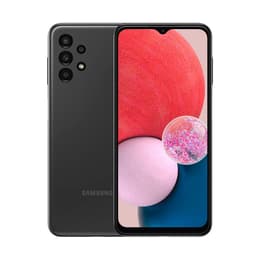
Galaxy A13
Galaxy A13
Starting at

Refurbished price:£73.00

Versus £249.00 new

See options
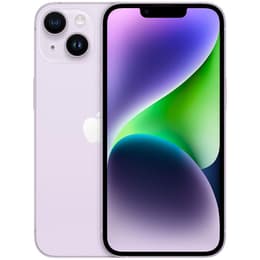
iPhone 14
iPhone 14
Starting at

Refurbished price:£229.00

Versus £599.00 new

See options

Ratings

The Samsung Galaxy A13 and the Apple iPhone 14, both released in 2022, represent two distinct approaches to the modern smartphone experience. While the Galaxy A13 focuses on providing essential features and a large display within the Android ecosystem, the iPhone 14 offers a more performance-heavy experience powered by iOS. These devices cater to different user priorities, ranging from basic daily utility to advanced multimedia capabilities and long-term software reliability.

The primary difference between these two smartphones lies in their hardware philosophy and intended usage patterns. The Galaxy A13 is designed as a functional tool for everyday communication and media consumption, whereas the iPhone 14 is built to handle more demanding creative and professional tasks. Both run the latest versions of their respective operating systems, ensuring access to a wide range of modern applications and services.

Scores

Durability

The longevity of these two smartphones is defined by their software support cycles and physical construction materials, which impact how long they remain functional and secure.

  • Software Support: The iPhone 14 is expected to receive operating system updates for many years, often reaching six or seven years of total support, whereas the Galaxy A13 typically follows a shorter update schedule common for its category, usually providing around four years of security patches.
  • Physical Build: While the Galaxy A13 uses a practical plastic shell that resists shattering from minor drops, the iPhone 14 features a glass and aluminium frame with a specialised ceramic shield designed to improve screen resilience against scratches and impacts.
  • Maintenance: Both manufacturers have made strides in repairability, though the iPhone 14's internal architecture is specifically designed to allow for easier screen and back glass replacements compared to previous generations, potentially extending its practical lifespan.

Year of Release

2022

2022

Compatible with latest Update

No

Yes

OS

Android

iOS

Foldable

No

No

Performance

Daily responsiveness and multitasking capabilities differ significantly between these two models based on their internal hardware configurations and how they manage power.

  • Task Handling: The iPhone 14 manages demanding applications, high-definition video editing, and intensive gaming with high levels of fluidity and speed. In contrast, the Galaxy A13 is better suited for standard tasks like web browsing, social media, and messaging, where it performs reliably.
  • Battery and Charging: The Galaxy A13 features a high-capacity battery that often lasts through two days of light use, while the iPhone 14 focuses on efficiency to ensure a full day of operation even with more intensive power demands from the screen and processor.
  • Storage Flexibility: Users of the Galaxy A13 can expand their storage capacity using a memory card slot, a feature not present on the iPhone 14, which relies on fixed internal storage options that must be selected at the time of purchase.

Memory (GB)

4 GB

6 GB

Screen quality

The viewing experience on these devices is shaped by different display technologies that impact colour accuracy, contrast, and outdoor visibility.

  • Display Technology: The iPhone 14 utilises an OLED panel, which provides deep black levels and high contrast for a more immersive media experience. The Galaxy A13 uses an LCD screen, which offers natural colours but lacks the same level of vibrant contrast found on OLED displays.
  • Brightness and Clarity: For users who frequently use their phones outdoors, the iPhone 14 offers higher peak brightness, making the screen easier to read in direct sunlight compared to the Galaxy A13, which may require more shade for clear viewing.
  • Screen Dimensions: The Galaxy A13 provides a larger 6.6-inch viewing area, which is beneficial for reading long articles or watching videos, while the iPhone 14's 6.1-inch screen is more compact and easier to navigate with one hand for most users.

Resolution

1080 x 2408

1170 x 2532

Screen type

PLS LCD

Super Retina XDR OLED

Audiovisual

Photography and media playback capabilities are tailored toward different user needs, from casual snapshots to more advanced content creation.

  • Camera Versatility: The Galaxy A13 includes a multi-lens system with a high-resolution main sensor and dedicated lenses for close-up and wide-angle shots. The iPhone 14 uses a dual-lens system that prioritises advanced image processing and consistency across all lighting conditions.
  • Video Standards: The iPhone 14 is capable of recording highly stabilised video with features for cinematic effects and high dynamic range, whereas the Galaxy A13 provides standard high-definition recording suitable for everyday social sharing.
  • Audio Output: Media consumption is enhanced on the iPhone 14 through its integrated stereo speakers which provide a wider soundstage, while the Galaxy A13 retains a traditional 3.5mm headphone jack for users who prefer using wired audio connections.

Main camera

50 megapixels

12 megapixels

Front camera

8 megapixels

12 megapixels

Miscellaneous

Practical design choices and connectivity standards influence how these phones integrate into a user's daily routine and their existing ecosystem of accessories.

  • Security Features: The iPhone 14 uses facial recognition technology for secure unlocking and authentication, while the Galaxy A13 relies on a physical fingerprint sensor conveniently built into the power button on the side of the frame.
  • Connectivity: Both devices support modern network standards including 5G, but the iPhone 14 includes more advanced Wi-Fi and Bluetooth versions for faster data transfer and more stable connections with wireless peripherals like headphones.
  • Portability and Handling: The Galaxy A13 is slightly larger and heavier due to its screen size and battery, whereas the iPhone 14 is designed with a more compact footprint and lighter materials that fit easily into smaller pockets or bags.

Weight

195 g

172 g

Screen size (in)

6.6

6.1

Mobile network

4G

5G

SIM card

Dual Physical SIM

Physical SIM + eSIM

Carrier compatibility

Unlocked

Unlocked

User feedback from various community forums highlights the practical strengths of both devices in real-world scenarios. Owners of the Galaxy A13 frequently praise the long-lasting battery life and the inclusion of the headphone jack, which remains a valued feature for many. However, some users note that the device can feel less responsive when many applications are open simultaneously. Conversely, iPhone 14 users often highlight the exceptional camera quality and the overall speed of the interface, while some express a desire for faster charging speeds compared to other modern standards.

Choosing between these two smartphones depends largely on individual requirements and usage habits. Users who prioritise a large screen for reading, expandable storage for photos, and a battery that can last multiple days may find the Galaxy A13 to be a practical choice for their daily needs. Those who require a device for high-quality content creation, seamless multitasking, and a longer window of software updates will likely find the iPhone 14 better aligned with their goals. For those looking to make a sustainable choice, opting for a quality-assured refurbished option is an eco-friendly alternative that helps reduce electronic waste while providing a reliable device. Ultimately, both smartphones offer distinct advantages that serve different types of mobile users effectively without compromising on core functionality.

See all articles

Our recent comparisons