
Galaxy A56 Vs iPhone 13

Galaxy A56
Galaxy A56
Starting at

Refurbished price:£274.00

Versus £422.50 new

See options
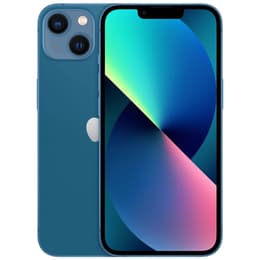
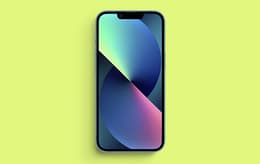
iPhone 13
iPhone 13
Starting at

Refurbished price:£205.00

Versus £599.00 new

See options

Ratings

The Samsung Galaxy A56 (2025) and the Apple iPhone 13 (2021) represent two distinct approaches to the smartphone market as we look at them in 2026. While the iPhone 13 was a flagship device at its launch, the Galaxy A56 is a modern mid-range contender released several years later. The primary differences lie in their physical size, display technology, and the operating systems they run—Android and iOS respectively. Choosing between them involves weighing the benefits of a newer mid-range device against an older, high-performance classic.

Scores

Durability

The timeline of release significantly impacts how long these devices will remain current with the latest software and security features in the coming years.

  • Software Longevity: The Galaxy A56, arriving in 2025, is expected to receive official updates until approximately 2030, whereas the iPhone 13, launched in 2021, is approaching the later stages of its guaranteed update cycle, likely concluding around 2027.
  • Repairability and Build: Both phones feature glass and metal constructions that require protective cases, but the Galaxy A56 often benefits from more widely available modular components for screen and battery replacements in independent shops.
  • Practical Lifespan: Users looking for a device to last the next four years may find the Galaxy A56 more future-proof due to its more recent entry into the market and longer remaining support window.

Year of Release

2025

2021

Compatible with latest Update

Yes

Yes

OS

Android

iOS

Foldable

No

No

Performance

Despite the age gap, both smartphones handle modern applications with ease, though they prioritise different aspects of the user experience and system efficiency.

  • System Responsiveness: The iPhone 13 maintains a high level of fluidness when navigating menus and switching between apps, while the Galaxy A56 utilises its newer internal hardware to manage modern multitasking and demanding background processes efficiently.
  • Battery Endurance: The Galaxy A56 typically houses a larger physical battery designed to last through a full day of heavy use, whereas the iPhone 13 relies on software efficiency to provide reliable battery life for standard daily routines.
  • Storage and Multitasking: With generous memory options, the Galaxy A56 allows for many apps to remain open simultaneously without reloading, while the iPhone 13 uses integrated management to keep the experience consistent even with fewer resources.

Memory (GB)

8 GB

4 GB

Screen quality

The viewing experience differs greatly between these two models, particularly regarding the physical size and the smoothness of motion on the display.

  • Display Technology: The Galaxy A56 features a large AMOLED screen with a high refresh rate, making scrolling through social media and animations appear very smooth, while the iPhone 13 uses a standard refresh rate OLED that prioritises colour accuracy and high contrast.
  • Outdoor Visibility: Newer screen technology in the Galaxy A56 allows it to reach higher brightness levels, making it easier to read text under direct sunlight compared to the older panel on the iPhone 13.
  • Screen Real Estate: Users who enjoy watching videos or playing games will appreciate the expansive display of the Galaxy A56, whereas those who prefer one-handed use will find the iPhone 13's more compact dimensions more comfortable.

Resolution

1080 x 2340

1170 x 2532

Screen type

Super AMOLED

Super Retina XDR OLED

Audiovisual

Photography and media consumption are handled with distinct styles, reflecting the era and category of each smartphone's optical hardware.

  • Camera Versatility: The Galaxy A56 offers a triple-lens system including a dedicated macro lens for close-up shots, while the iPhone 13 focuses on a dual-lens setup that excels in producing natural skin tones and consistent exposure across different lighting conditions.
  • Video Capabilities: The iPhone 13 is widely recognised for its stable and clear video recording, which remains competitive even against newer mid-range devices, making it a reliable choice for capturing family moments or social content.
  • Audio Experience: Both devices provide clear stereo sound for media, though the Galaxy A56's larger body allows for a slightly different acoustic profile compared to the more focused output of the compact iPhone 13.

Main camera

4K@30fps

12 megapixels

Front camera

13 megapixels

12 megapixels

Miscellaneous

Practical daily interactions, from how you unlock your phone to how you charge it, vary between these two ecosystems and hardware designs.

  • Connectivity and Ports: The Galaxy A56 uses the universal USB-C standard for charging and data transfer, while the iPhone 13 utilises the proprietary Lightning port, which may require specific cables if you are moving from other modern electronics.
  • Biometric Security: Users can unlock the Galaxy A56 using a fingerprint sensor located under the display, whereas the iPhone 13 relies on facial recognition technology, which works effectively even in low-light environments.
  • Physical Handling: The iPhone 13 is notably lighter and thinner, appealing to those who value portability, while the Galaxy A56 has a more substantial presence in the hand due to its larger screen and battery.

Weight

197 g

173 g

Screen size (in)

6.5

6.1

Mobile network

5G

5G

SIM card

Dual Physical SIM + eSIM

Physical SIM + eSIM

Carrier compatibility

Unlocked

Unlocked

Connector

USB-C

Lightning

In summary, the choice between the Samsung Galaxy A56 and the Apple iPhone 13 depends largely on whether you value the latest mid-range features or a classic flagship experience. According to user discussions on various tech forums, the Galaxy A56 is frequently praised for its impressive battery life and the smoothness of its 120Hz display, which many find superior for modern browsing. However, some users note that its plastic-framed build feels different compared to the more rigid feel of older flagships. On the other hand, the iPhone 13 continues to receive praise for its reliable performance and the quality of its video recording, though some long-term users mention that the 60Hz screen can feel less fluid when compared directly to newer 2025 models.

Users prioritising a large screen for media consumption, a longer future software support window, and the convenience of USB-C will likely find the Galaxy A56 to be the more suitable choice. Conversely, users who prefer a compact, lightweight design, the iOS ecosystem, and consistent camera performance for video may lean toward the iPhone 13. For those looking to make a sustainable choice, opting for a quality-assured refurbished option is an eco-friendly alternative that extends the life of these capable devices. Both smartphones remain highly functional in 2026, and choosing a sustainable choice ensures you receive a thoroughly tested device while reducing electronic waste. Ultimately, your decision should align with which operating system you prefer and whether you value screen size over portability.
See all articles

Our recent comparisons