
Compare models
iPhone 13 Vs iPhone 15 Pro
- 1-year minimum warranty
- Free delivery on all items
- Free 30-day returns
Differences at a glance
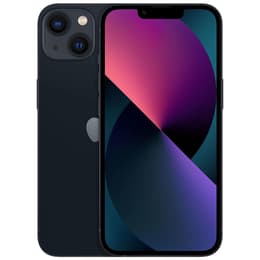
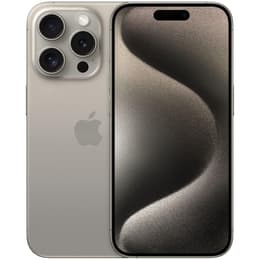
The iPhone 13, released in 2021, and the iPhone 15 Pro, launched in 2023, represent two distinct generations of Apple's smartphone evolution. While the iPhone 13 remains a highly capable device for standard daily use, the iPhone 15 Pro introduces significant advancements in materials, display technology, and connectivity. Both devices run on the iOS operating system, ensuring a familiar user experience and access to a vast library of applications. The primary differences between these models lie in their physical build, the fluidity of their screens, and the transition from the proprietary Lightning port to the more universal USB-C standard.
Available Models
Colour
Storage (GB)
Scores
Durability
The two-year gap between these models has a direct impact on their expected software support cycles and physical resilience over time.
- Software Longevity: As the newer model, the iPhone 15 Pro is expected to receive iOS updates for several years beyond the iPhone 13, making it a more suitable choice for users who intend to keep their device for five years or more.
- Build Materials: The iPhone 13 is constructed with a durable aluminum frame and glass back, while the iPhone 15 Pro utilizes a titanium alloy, which offers a higher strength-to-weight ratio and increased resistance to scratches and dents.
- Repairability: Both devices are designed with internal structures that allow for common repairs like battery and screen replacements, though the iPhone 15 Pro features a more modular internal design that can simplify certain technical services.
Year of Release
2021
2023
Compatible with latest Update
Yes
Yes
OS
iOS
iOS
Foldable
No
No
Performance
Performance differences between these two smartphones are most evident when running demanding applications or managing multiple tasks simultaneously.
- System Responsiveness: The iPhone 15 Pro features more advanced internal processing hardware that allows for faster app launches and smoother handling of intensive tasks such as high-resolution video editing or complex mobile gaming.
- Multitasking Capability: With a higher memory capacity, the iPhone 15 Pro can keep more applications active in the background without needing to reload them, whereas the iPhone 13 may refresh background apps more frequently during heavy usage.
- Data Transfer Speeds: The inclusion of a USB-C port on the iPhone 15 Pro allows for significantly faster data transfer when moving large files to external storage, while the iPhone 13 relies on the slower Lightning connection for its data needs.
Screen quality
The viewing experience is one of the most noticeable areas of divergence, particularly regarding motion smoothness and outdoor visibility.
- Motion Fluidity: The iPhone 15 Pro includes an adaptive refresh rate that can reach 120Hz, providing much smoother scrolling and animations compared to the fixed 60Hz refresh rate found on the iPhone 13.
- Always-On Display: Users of the iPhone 15 Pro can view the time and essential notifications at a glance without waking the device, a feature that is not available on the standard iPhone 13 screen.
- Brightness Levels: The iPhone 15 Pro can achieve much higher peak brightness, making the display significantly easier to read under direct sunlight or in very bright outdoor environments compared to the iPhone 13.
Resolution
1170 x 2532
1179 x 2556
Screen type
Super Retina XDR OLED
LTPO Super Retina XDR OLED
Audiovisual
Photography and video capabilities see a substantial upgrade in the Pro model, offering more versatility for creative users.
- Optical Zoom Range: The iPhone 15 Pro features a dedicated telephoto lens that allows for 3x optical zoom, enabling clear close-ups of distant subjects, while the iPhone 13 lacks a dedicated zoom lens and relies on digital cropping.
- Sensor Resolution: The main camera on the iPhone 15 Pro captures significantly more detail, allowing for higher-resolution photos that can be cropped or printed in larger formats without losing clarity.
- Low-Light Performance: Advanced light-gathering sensors and specialized night mode processing on the iPhone 15 Pro result in brighter, clearer photos with less noise in dark environments compared to the iPhone 13.
Main camera
12 megapixels
48 megapixels
Front camera
12 megapixels
12 megapixels
Miscellaneous
Beyond the core specifications, several practical design changes influence how these devices are handled and operated in daily life.
- Physical Controls: The iPhone 15 Pro replaces the traditional mute switch with a customisable Action Button, which can be programmed to launch the camera, torch, or other shortcuts with a single press.
- Weight and Ergonomics: Despite its more complex camera system, the use of titanium makes the iPhone 15 Pro feel lighter and more balanced in the hand than previous Pro models, while the iPhone 13 maintains a classic, lightweight aluminum feel.
- Connectivity Standards: Both devices support 5G cellular networks, but the iPhone 15 Pro includes more modern wireless standards for improved stability and speed when connected to compatible high-speed home routers.
Weight
173 g
187 g
Screen size (in)
6.1
6.1
Mobile network
5G
5G
SIM card
Physical SIM + eSIM
Physical SIM + eSIM
Carrier compatibility
Unlocked
Unlocked
Connector
Lightning
USB-C
What the community thinks
User consensus from online forums and community discussions suggests that the iPhone 13 remains a highly respected device for its reliability and straightforward performance. Many users praise its consistent battery life and the fact that it handles all standard communication and social media apps with ease. However, some long-term owners note that the 60Hz screen can feel less fluid when compared to more modern displays. Conversely, the iPhone 15 Pro receives significant acclaim for its lightweight titanium design and the versatility of its triple-camera system. While some users have mentioned the device can become warm during very intensive tasks, most appreciate the leap in display quality and the convenience of the universal USB-C port.
Users who prioritize a simple, effective smartphone for messaging, browsing, and casual photography will find the iPhone 13 more than capable of meeting their needs. It remains a practical choice for those who do not require professional-grade camera tools or the highest possible screen refresh rates. On the other hand, users who frequently edit video, play demanding games, or rely on their phone for high-quality photography will likely prefer the iPhone 15 Pro. Choosing a quality-assured refurbished option for either model is a sustainable choice that reduces electronic waste while providing a high-performance device. Ultimately, the iPhone 15 Pro is suited for those seeking the latest technological advancements, while the iPhone 13 serves as an excellent eco-friendly alternative for everyday reliability.