
Google Pixel 6A Vs Motorola Moto G13

Google Pixel 6A
Google Pixel 6A
Starting at

Refurbished price:£107.00

Versus £459.00 new

See options
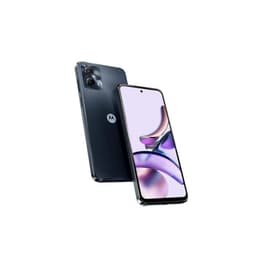
Motorola Moto G13
Motorola Moto G13
Starting at

Refurbished price:£99.00

Versus £166.76 new

See options

Ratings

The Google Pixel 6A and the Motorola Moto G13 are both Android smartphones, though they target different segments of the market. The Pixel 6A, released in July 2022, is part of Google's mid-range Pixel 'A' series, known for its camera capabilities and software experience. The Motorola Moto G13, launched in January 2023, is positioned as a more budget-friendly option. The primary distinctions lie in their core processing power, display technology, and camera performance, offering different experiences for users with varying priorities.

Scores

Durability

When considering the longevity of these devices, several factors come into play, including their release dates, software support, and general repairability.

  • Release Timeline and OS Support: The Google Pixel 6A was released in July 2022 and is expected to receive OS updates until at least July 2025 and security updates until at least July 2027. This means it will receive Android 17. The Motorola Moto G13, released in January 2023, typically receives one major OS update and 2-3 years of security updates for its series, likely extending its security support until early 2026 or 2027.
  • Software Longevity: The Pixel 6A offers a longer guaranteed period of software and security updates, which can be a significant advantage for users who plan to keep their device for an extended period. This extended support ensures continued access to new features and critical security patches.
  • Repairability: The Pixel 6A has a reported iFixit repairability score, indicating a reasonable ease of repair for components like the screen and battery. Information regarding the specific repairability score for the Moto G13 is not as widely available, though Motorola devices generally have a reputation for being moderately repairable.

Year of Release

2022

2023

Compatible with latest Update

Yes

No

OS

Android

Android

Foldable

No

No

Performance

The performance of a smartphone impacts how smoothly applications run, how quickly tasks are completed, and the overall responsiveness of the user interface.

  • Everyday Task Handling: The Google Pixel 6A handles demanding applications and multitasking smoothly, providing a responsive experience for daily use, including web browsing, social media, and moderate gaming. Users report no lag during regular use and even with more intensive games. The Motorola Moto G13 is suitable for basic tasks, such as messaging, calls, and light web browsing, but may show limitations with more demanding applications or extensive multitasking.
  • Battery Behavior: The Pixel 6A features a 4410 mAh battery, with user reports indicating it can last a full day for many, though some heavy users might find battery life inconsistent. The Moto G13 comes with a larger 5000 mAh battery, and users frequently praise its long battery life, often lasting through a full day of heavy use.
  • Storage and Responsiveness: Both devices typically offer 128GB of internal storage, with the Moto G13 also having a 64GB option and expandable storage via microSD. The Pixel 6A's system responsiveness is generally noted as fluid, while the Moto G13 provides adequate responsiveness for its intended use, though it may not match the Pixel's fluidity in all scenarios.

Memory (GB)

6 GB

4 GB

Screen quality

The display is a key component of the smartphone experience, influencing everything from media consumption to daily interactions.

  • Display Technology and Clarity: The Google Pixel 6A features a 6.1-inch OLED display with a 1080 x 2400 pixel resolution, offering deep blacks and vibrant colors. The Motorola Moto G13 has a larger 6.5-inch IPS LCD screen with a 720 x 1600 pixel resolution. The Pixel 6A provides a sharper and more detailed visual experience due to its higher resolution and OLED technology.
  • Refresh Rate and Smoothness: The Pixel 6A's display operates at a standard 60Hz refresh rate. In contrast, the Moto G13 offers a smoother scrolling and viewing experience with its 90Hz refresh rate, which can be noticeable during general navigation and content consumption.
  • Brightness and Viewing Experience: The OLED panel on the Pixel 6A generally offers better contrast and outdoor visibility compared to the LCD panel of the Moto G13. While the Moto G13's 90Hz refresh rate enhances fluidity, the Pixel 6A's superior display technology and higher resolution contribute to a more premium viewing experience overall.

Resolution

1080 x 2400

720 x 1600

Screen type

OLED

IPS LCD

Audiovisual

The camera system is a significant differentiator for many smartphone users, impacting the quality of photos and videos captured.

  • Photography Performance: The Google Pixel 6A is widely praised for its camera capabilities, especially in its segment. It features a dual-camera system with a 12.2 MP main sensor and a 12 MP ultrawide sensor, excelling in daytime shots and offering good low-light performance due to its advanced image processing. The Motorola Moto G13 includes a triple rear camera setup, with a 50 MP main sensor, a 2 MP macro, and a 2 MP depth sensor. Its main camera can capture attractive shots in good lighting conditions.
  • Video Recording Quality: The Pixel 6A supports 4K video recording at 30 or 60 frames per second, along with effective electronic and optical image stabilization. The Moto G13 records video at 1080p resolution at 30 frames per second.
  • Audio and Media Consumption: Both devices offer a decent media consumption experience. The Pixel 6A includes stereo speakers. The Moto G13 also features stereo speakers with Dolby Atmos support, enhancing its audio output.

Main camera

12.2 megapixels

50 megapixels

Front camera

8 megapixels

8 megapixels

Miscellaneous

Beyond the core specifications, several practical features and design elements contribute to the overall user experience.

  • Connectivity and Ports: The Google Pixel 6A supports 5G connectivity, Wi-Fi 6E, and Bluetooth 5.2, offering faster wireless speeds and more advanced network capabilities. It features a USB-C 3.1 port. The Motorola Moto G13 supports 4G connectivity, Wi-Fi 5, and Bluetooth 5.1. It includes a USB-C 2.0 port and retains a 3.5mm headphone jack.
  • Biometric Security: The Pixel 6A incorporates an under-display optical fingerprint sensor for secure unlocking. The Moto G13 features a side-mounted fingerprint sensor integrated into the power button.
  • Build Materials and Dimensions: The Pixel 6A has a compact design with a 6.1-inch screen, weighing 178g, and features a Gorilla Glass 3 front, plastic back, and an aluminium frame. The Moto G13 is slightly larger with a 6.5-inch screen, weighing 183g, and uses a plastic back and frame with Panda Glass protection on the front. The Pixel 6A also has an IP68 water and dust resistance rating, while the Moto G13 has an IP52 rating, offering limited protection against dust and splashes.

Weight

250 g

183 g

Screen size (in)

6.1

6.5

Mobile network

5G

4G

SIM card

Physical SIM + eSIM

Dual Physical SIM

Carrier compatibility

Unlocked

Unlocked

The Google Pixel 6A and the Motorola Moto G13 cater to different user needs, each with distinct strengths. Users frequently praise the Pixel 6A for its exceptional camera performance, often considered among the best in its class, and its smooth software experience with timely updates. Some common criticisms include its 60Hz display, which some users find less fluid, and occasional reports of inconsistent battery life or a slower fingerprint sensor.

The Motorola Moto G13 is often commended for its impressive battery life, lasting a full day for many users, and its 90Hz display, which provides a noticeably smoother visual experience for its segment. However, users sometimes note its lower screen resolution and that its performance, while adequate for basic tasks, may not keep up with more demanding applications.

Users prioritizing a superior camera system, a compact form factor, and a longer software support window will find the Google Pixel 6A well-suited to their needs. Conversely, users who value extended battery life, a larger screen with a higher refresh rate for smoother scrolling, and a more budget-conscious option for everyday communication and light media consumption may lean toward the Motorola Moto G13. Both devices offer reliable Android experiences, and choosing a quality-assured refurbished option for either model can be an eco-friendly alternative to purchasing new.


See all articles

Our recent comparisons