Google Pixel 6A Vs iPhone 12 mini

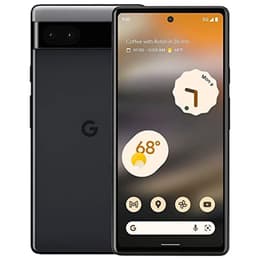
Google Pixel 6A
Google Pixel 6A
Starting at

Refurbished price:£107.00

Versus £459.00 new

See options
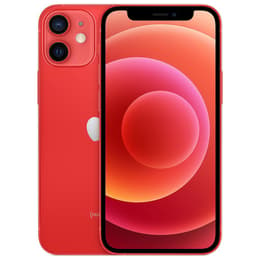
iPhone 12 mini
iPhone 12 mini
Starting at

Refurbished price:£126.00

Versus £579.00 new

See options

Ratings

The Google Pixel 6a, launched in 2022, and the iPhone 12 mini, released in 2020, represent two distinct approaches to compact smartphone design. While the Pixel 6a offers a streamlined Android experience with a focus on software-driven photography, the iPhone 12 mini provides a remarkably small form factor powered by the iOS ecosystem. These devices cater to users who prefer manageable dimensions over the trend of increasingly large screens, though they differ significantly in their physical footprint and battery endurance.

Both smartphones have remained relevant in the current market due to their reliable performance and continued software support. The Pixel 6a serves as a balanced entry point into the Google ecosystem, while the iPhone 12 mini remains a unique choice for those seeking the smallest possible device without sacrificing modern features. This comparison explores the practical differences that will help you decide which of these compact handsets aligns best with your daily needs and lifestyle.

Scores

Durability

The Google Pixel 6a and iPhone 12 mini offer different trajectories for long-term use based on their release dates and manufacturer support cycles.

  • Software Longevity: The Pixel 6a was released two years after the iPhone 12 mini, which typically grants it a longer window of security updates from its launch date. However, the iPhone 12 mini benefits from the manufacturer's history of providing major operating system updates for many years, often keeping devices functional and secure for six to seven years.
  • Build and Repair: The iPhone 12 mini features a glass back and a ceramic-shielded front, while the Pixel 6a utilises a thermoformed plastic back. Both devices are designed with water and dust resistance, though the iPhone carries a slightly higher rating for submersion. Choosing a quality-assured refurbished option can extend the life of these materials, contributing to a more circular electronics economy.
  • Maintenance: Both smartphones have established repair networks, making it relatively straightforward to replace common components like screens or batteries as they age, ensuring the device remains functional for several years of active use.

Year of Release

2022

2020

Compatible with latest Update

Yes

Yes

OS

Android

iOS

Foldable

No

No

Performance

While both devices handle daily tasks with ease, they prioritise different aspects of the user experience, particularly regarding battery life and multitasking.

  • System Responsiveness: The iPhone 12 mini is known for its high-speed internal hardware that ensures apps open instantly and complex tasks, such as video editing, remain fluid. The Pixel 6a focuses on a clean software experience that learns user habits to optimise performance over time, ensuring that common applications like maps and social media run without hesitation.
  • Battery Endurance: Due to its extremely compact size, the iPhone 12 mini has a smaller battery capacity, which may require a mid-day charge for heavy users. In contrast, the Pixel 6a houses a larger battery that more comfortably supports a full day of typical usage, including web browsing and navigation, making it better suited for long days away from a power source.
  • Storage and Memory: The Pixel 6a comes with a standard 128GB of storage and 6GB of memory, providing ample space for files and smooth switching between apps. The iPhone 12 mini offers various storage tiers, allowing users to select the capacity that best fits their local file needs, though it features slightly less memory for background tasks.

Memory (GB)

6 GB

4 GB

Screen quality

The viewing experience on these two devices is defined by their display technology and physical dimensions, impacting how users consume media.

  • Display Technology: Both smartphones utilise OLED technology, which provides deep black levels and high contrast, making them excellent for watching videos or viewing photos. The iPhone 12 mini features a Super Retina XDR display that offers high peak brightness for visibility in direct sunlight, while the Pixel 6a provides a vibrant and colour-accurate panel that remains clear in most lighting conditions.
  • Size and Portability: The iPhone 12 mini has a 5.4-inch screen, making it one of the smallest modern smartphones available and ideal for one-handed use. The Pixel 6a features a slightly larger 6.1-inch display, which offers more screen real estate for reading text and viewing documents without becoming cumbersome to hold or carry.
  • Visual Smoothness: Both screens operate at a standard 60Hz refresh rate, providing a consistent and familiar level of smoothness for scrolling through feeds and navigating the interface, which is sufficient for most everyday applications and casual gaming.

Resolution

1080 x 2400

1080 x 2340

Screen type

OLED

Super Retina XDR OLED

Audiovisual

Photography and media playback are central to both devices, though they excel in different areas of image processing and sound output.

  • Photography Style: The Pixel 6a is highly regarded for its still photography, particularly its ability to capture accurate skin tones and high-contrast landscapes through advanced software processing. The iPhone 12 mini produces natural-looking images with excellent detail and is often preferred for its consistent performance across different lighting environments and its fast shutter response.
  • Video Capabilities: For users who record a lot of video, the iPhone 12 mini offers smooth stabilisation and high-quality recording formats that are widely compatible with social media platforms. The Pixel 6a provides steady video with several stabilisation modes designed to mimic professional camera movements, making it a versatile tool for casual creators.
  • Audio Experience: Both devices feature stereo speakers that deliver clear audio for calls and media. The iPhone 12 mini provides a balanced sound profile despite its small size, while the Pixel 6a offers clear dialogue and sufficient volume for casual listening in quiet rooms or for hands-free voice calls.

Main camera

12.2 megapixels

12 megapixels

Front camera

8 megapixels

12 megapixels

Miscellaneous

Practical considerations such as connectivity, biometrics, and physical handling play a significant role in the daily utility of these smartphones.

  • Biometric Security: The Pixel 6a uses an integrated fingerprint sensor located under the display for secure unlocking. The iPhone 12 mini utilises facial recognition technology, which allows for hands-free unlocking and secure authentication even in low-light settings, though it requires a clear view of the user's face.
  • Connectivity and Ports: Both phones support 5G networks for fast mobile data and include modern Wi-Fi and Bluetooth standards. The Pixel 6a uses a universal USB-C port for charging and data transfer, whereas the iPhone 12 mini uses a Lightning port and supports magnetic wireless charging for easy accessory attachment and convenient power delivery.
  • Dimensions and Weight: The iPhone 12 mini is significantly lighter and narrower, making it disappear into a pocket and easy to use for those with smaller hands. The Pixel 6a is slightly heavier and larger, providing a more traditional smartphone feel that balances screen size with portability for a wider range of users.

Weight

250 g

135 g

Screen size (in)

6.1

5.4

Mobile network

5G

5G

SIM card

Physical SIM + eSIM

Physical SIM + eSIM

Carrier compatibility

Unlocked

Unlocked

Connector

USB-C

Lightning

According to community discussions and user reviews, the iPhone 12 mini is frequently praised for its remarkably small size, with many users appreciating how easily it fits into small pockets and the ease of one-handed operation. However, a common point of criticism is the battery life, which some find insufficient for long days of heavy use. The Google Pixel 6a receives high marks for its camera reliability and the clean, intuitive feel of its software, though some users note that the under-display fingerprint sensor can be less consistent than traditional physical buttons.

Users who prioritise a truly compact device and prefer the iOS ecosystem will find the iPhone 12 mini to be a unique option that is difficult to find in newer generations. Conversely, those who value a larger battery, a slightly bigger screen for reading, and the specific photographic look of the Pixel line will likely lean toward the Google device. Both smartphones represent a sustainable choice when purchased as a quality-assured refurbished option, allowing users to access modern features while reducing electronic waste. Ultimately, the decision rests on whether one values the extreme portability of the mini or the balanced, software-centric approach of the Pixel 6a.
See all articles

Our recent comparisons