
Compare models
Galaxy A17 Vs iPhone 14 Plus
- 1-year minimum warranty
- Free delivery on all items
- Free 30-day returns
Differences at a glance
The Samsung Galaxy A17 (2025) and the Apple iPhone 14 Plus (2022) are large-screen smartphones that cater to users seeking expansive displays and dependable daily operation. While the Galaxy A17 runs on Android with customized software options, the iPhone 14 Plus operates within Apple's iOS ecosystem. These devices serve distinct user preferences through differing hardware ecosystems, update commitments, and interface philosophies.
Available Models
Colour
Storage
Scores
Durability
When examining longevity and support, both models offer solid structural longevity while approaching software updates through different timelines and frameworks.
- Release timeline and software support: The Galaxy A17 benefits from an extended software support policy spanning several years of major operating system upgrades, whereas the iPhone 14 Plus relies on Apple's established track record of multi-year system updates.
- Repairability and physical resilience: Both devices feature robust outer construction materials designed to withstand daily wear, alongside accessible repair ecosystems that help extend their active service lifespan.
Year of Release
2025
2022
OS
Android
iOS
Foldable
No
No
Performance
Daily operation and multitasking capabilities differ based on internal hardware optimization and memory management across both device platforms.
- Multitasking and system fluidity: Both models handle everyday applications, web browsing, and media streaming smoothly, though heavier gaming setups run with varying degrees of thermal efficiency depending on the underlying hardware architecture.
- Storage and battery endurance: Users can select from multiple internal storage configurations, while large battery capacities on both phones comfortably sustain typical daily usage routines before requiring a recharge.
Screen quality
Viewing experiences on both smartphones emphasize large-format panels tailored for media consumption and comfortable reading.
- Display technology: Both devices utilize vibrant panel technology that delivers deep contrast levels, sharp text clarity, and wide viewing angles for outdoor and indoor visibility.
- Refresh rate and interaction smoothness: The Galaxy A17 incorporates a higher refresh rate panel for smoother scrolling gestures, while the iPhone 14 Plus utilizes a standard refresh rate paired with responsive touch recognition.
Resolution
1080x2340
1284 x 2778
Audiovisual
Photography and video capabilities are handled through distinct multi-lens configurations designed to capture everyday moments with clarity.
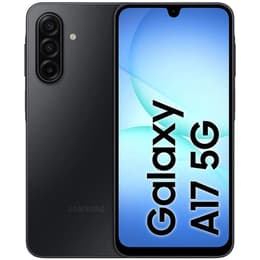
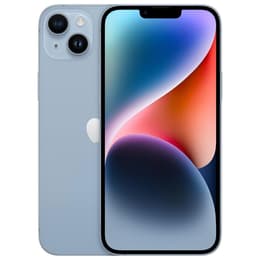
- Rear camera systems: The Galaxy A17 features a versatile triple-lens setup including dedicated ultra-wide and close-up lenses, while the iPhone 14 Plus employs a dual-lens system optimized for balanced color reproduction and low-light sensitivity.
- Video and audio output: Both models support clear high-definition video recording with electronic stabilization, accompanied by stereo speakers that deliver balanced sound output for calls and media playback.
Front camera
13MP
12 megapixels
Miscellaneous
Physical dimensions and connectivity standards shape how each device fits into everyday handling and travel routines.
- Connectivity and ports: The Galaxy A17 features a standard universal port alongside expandable storage flexibility, whereas the iPhone 14 Plus utilizes Apple's proprietary connection standard and integrated wireless connectivity options.
- Build and handling: Both smartphones offer comfortable ergonomics despite their large screen sizes, utilizing flat frame designs and durable glass-and-plastic or glass-and-aluminum construction materials.
Weight
192 g
203 g
Screen size (in)
6.7
6.7
Mobile network
5G
5G
SIM card
Dual Physical SIM
Physical SIM + eSIM
Carrier compatibility
Unlocked
Unlocked
Connector
USB-C
Lightning
What the community thinks
Choosing between the Samsung Galaxy A17 and the Apple iPhone 14 Plus depends heavily on individual operating system preferences and hardware priorities. Users who prefer a customizable Android interface, expandable storage capability, and a high-refresh-rate screen will find the Galaxy A17 well-suited to their daily routines. Conversely, users who favor the streamlined Apple ecosystem, simplified device integration, and a large-format display optimized for media viewing often lean toward the iPhone 14 Plus.
For consumers exploring sustainable purchasing habits, a quality-assured refurbished option provides an eco-friendly alternative that reduces electronic waste while delivering reliable performance. Ultimately, evaluating personal software preferences and everyday utility will guide the final decision between these two capable devices.