Compare models
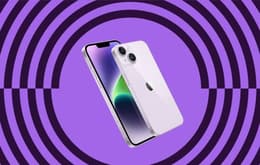
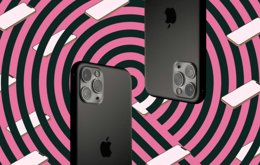
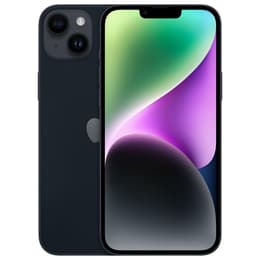
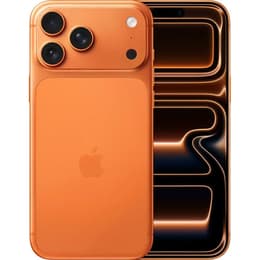
iPhone 14 Plus Vs iPhone 17 Pro Max
- 1-year minimum warranty
- Free delivery on all items
- Free 30-day returns
Differences at a glance
The iPhone 14 Plus (2022) and the iPhone 17 Pro Max (2025) represent different eras and tiers within Apple's smartphone lineup. While both devices offer large-format screen experiences and run on iOS, they differ significantly in processing power, camera capabilities, and generation. This comparison explores how these two models contrast across key areas to help users determine which device fits their day-to-day requirements.
Available Models
Colour
Storage (GB)
Scores
Durability
When examining longevity and durability, these two devices reflect a three-year gap in release timelines that influences their projected software support windows and hardware resilience.
- Software lifecycle: The iPhone 17 Pro Max benefits from a later release date, securing several additional years of operating system updates compared to the older iPhone 14 Plus.
- Build and repairability: Both models incorporate durable glass and metal structures with water-resistance ratings, though modern iterations feature updated glass formulations designed to handle drops more effectively.
- Lifespan expectations: Users seeking maximum future-proofing for software support will find the newer model extends support further into the decade.
Year of Release
2022
2025
Compatible with latest Update
Yes
Yes
OS
iOS
iOS
Foldable
No
No
Performance
System responsiveness and day-to-day operation differ visibly based on the internal hardware generations powering each smartphone.
- Multitasking and app handling: The iPhone 17 Pro Max features expanded memory capacity and a current-generation processor, allowing demanding applications and heavy multitasking to run with noticeable fluidity.
- Everyday tasks: The iPhone 14 Plus handles standard messaging, web browsing, and media streaming smoothly, though intensive gaming or heavy rendering pushes it closer to its limits.
- Battery behavior: The iPhone 17 Pro Max utilizes advanced power efficiency to sustain extensive use over long periods, whereas the iPhone 14 Plus offers reliable all-day battery life for moderate routines.
Screen quality
Both smartphones provide expansive viewing spaces, yet their display hardware incorporates distinct refreshes and panel technologies.
- Panel technology and smoothness: The iPhone 17 Pro Max incorporates an advanced adaptive refresh rate panel that scales up for fluid motion during scrolling and gaming, while the iPhone 14 Plus relies on a standard fixed refresh rate display.
- Brightness and outdoor visibility: Peak brightness levels are substantially higher on the iPhone 17 Pro Max, ensuring clearer readability under direct sunlight.
- Resolution and immersion: Both devices offer high-resolution OLED screens with deep contrast and vibrant colors, making them well-suited for watching videos and viewing photos.
Resolution
1284 x 2778
2868x1320
Screen type
Super Retina XDR OLED
Super Retina XDR
Audiovisual
Photography and media recording capabilities vary greatly, governed by the different sensor generations integrated into each device.
- Rear camera systems: The iPhone 17 Pro Max utilizes a triple-lens setup with high-resolution sensors across all focal lengths, including an extended optical zoom range, while the iPhone 14 Plus features a dual-lens setup focused on standard and ultra-wide angles.
- Low-light performance: Larger sensors and updated image processing on the newer model capture finer detail in dim environments.
- Audio and video tools: Both devices record crisp stereo sound and high-definition video, but the iPhone 17 Pro Max adds professional-grade capture formats and higher frame-rate options for video enthusiasts.
Main camera
12 megapixels
48 megapixels
Front camera
12 megapixels
18 megapixels
Miscellaneous
Practical everyday features, connectivity standards, and physical handling characteristics define the operational feel of each smartphone.
- Physical dimensions and weight: The iPhone 17 Pro Max carries a slightly heavier footprint due to its extensive camera hardware and robust battery, whereas the iPhone 14 Plus maintains a lighter aluminum build.
- Connectivity and ports: The iPhone 17 Pro Max adopts modern universal USB-C connectivity alongside advanced wireless standards, while the iPhone 14 Plus relies on the older proprietary port design.
- Security and biometrics: Both models use facial recognition technology for secure authentication and device unlocking.
Weight
203 g
233 g
Screen size (in)
6.7
6.9
Mobile network
5G
5G
SIM card
Physical SIM + eSIM
Physical SIM + eSIM
Carrier compatibility
Unlocked
Unlocked
Connector
Lightning
USB-C
What the community thinks
Choosing between these two smartphones depends heavily on individual workflow priorities and feature preferences. Users prioritizing advanced photography tools, maximum processing power for intensive tasks, and a high-refresh display will find the iPhone 17 Pro Max aligns well with their demands. Conversely, users seeking a reliable, large-screen device for everyday communication, media consumption, and general tasks will find the iPhone 14 Plus satisfies those needs efficiently without excess complexity.
For consumers exploring sustainable purchasing habits, choosing a quality-assured refurbished option provides a practical way to acquire either model while supporting eco-friendly technology lifecycles.