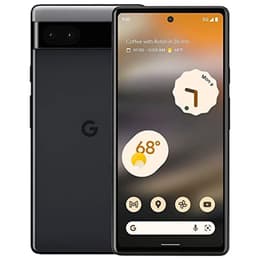

Galaxy S22 Ultra 5G Vs Google Pixel 6A

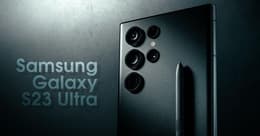
Galaxy S22 Ultra 5G
Galaxy S22 Ultra 5G
Starting at

Refurbished price:£247.00

Versus £1,364.00 new

See options
Google Pixel 6A
Google Pixel 6A
Starting at

Refurbished price:£107.00

Versus £459.00 new

See options

Ratings

The Samsung Galaxy S22 Ultra 5G and the Google Pixel 6A, both released in 2022, represent two very different approaches to the Android smartphone experience. While the Galaxy S22 Ultra 5G is a large-format device designed for high-intensity productivity and advanced photography, the Google Pixel 6A offers a more compact and streamlined interface. Both devices run the Android operating system, but they provide distinct user experiences through their unique software overlays and hardware capabilities. For those looking for a sustainable choice, both models are available as quality-assured refurbished options, offering a balance between modern technology and environmental responsibility.

Scores

Durability

These 2022 releases offer different expectations for long-term use and physical resilience based on their manufacturer support cycles and build materials.

  • Software support: The Galaxy S22 Ultra 5G was launched with a commitment to four years of major operating system updates and five years of security patches, extending its functional life into late 2026. The Pixel 6A follows a similar security timeline but typically offers one fewer year of major system updates, meaning it may stop receiving new features slightly sooner than its counterpart.
  • Physical build: The Galaxy model uses highly durable glass on both the front and back, providing significant scratch resistance, whereas the Pixel 6A utilises a durable plastic rear which is less prone to shattering but may show scuffs more easily over time.
  • Repairability: Both devices feature modern, tightly sealed designs for water resistance, which can make professional repairs necessary for battery or screen issues; however, the flat screen of the Pixel 6A is generally considered more straightforward to replace than the curved display of the Galaxy.

Year of Release

2022

2022

Compatible with latest Update

Yes

Yes

OS

Android

Android

Foldable

No

No

Performance

While both smartphones handle daily tasks with ease, they are built for different levels of intensity and multitasking requirements.

  • System responsiveness: The Galaxy S22 Ultra 5G is designed for heavy workloads, allowing users to run multiple demanding applications simultaneously without lag, aided by its higher memory capacity. The Pixel 6A prioritises a smooth, clean software experience that feels fast during standard navigation, though it may slow down slightly more than the Galaxy when editing high-resolution video.
  • Battery and charging: With a significantly larger battery, the Galaxy S22 Ultra 5G is better suited for users who spend long days away from a power outlet, especially when using power-intensive features. The Pixel 6A features a smaller battery that comfortably lasts through a standard day of moderate use but requires more frequent charging for heavy users.
  • Storage flexibility: The Galaxy offers a wider range of internal storage capacities to accommodate large media libraries, while the Pixel 6A comes in a single standard configuration that relies more heavily on cloud storage services for extra space.

Memory (GB)

8 GB

6 GB

Screen quality

The viewing experience is one of the most significant points of divergence between these two 2022 smartphones, affecting everything from gaming to reading.

  • Display technology: The Galaxy S22 Ultra 5G features a large, sophisticated display that adjusts its refresh rate up to 120Hz, resulting in exceptionally smooth scrolling and animations. In contrast, the Pixel 6A uses a standard 60Hz refresh rate, which is functional and clear but lacks the fluid motion found on the more advanced Samsung screen.
  • Outdoor visibility: Users who frequently use their phones in direct sunlight will find the Galaxy's screen much easier to read due to its high peak brightness levels. The Pixel 6A remains legible in most conditions but may struggle under very bright, midday sun.
  • Size and immersion: The 6.8-inch curved screen of the Galaxy provides an immersive experience for watching videos or taking notes, whereas the 6.1-inch flat screen of the Pixel 6A is designed for easy one-handed use and pocketability.

Resolution

1440 x 3088

1080 x 2400

Screen type

Dynamic AMOLED 2X

OLED

Audiovisual

Both devices are highly regarded for their photographic capabilities, though they achieve high-quality results through different hardware and software methods.

  • Camera versatility: The Galaxy S22 Ultra 5G features a complex multi-lens system, including a dedicated zoom lens that allows for clear photos of distant subjects. The Pixel 6A uses a simpler dual-lens setup that relies on intelligent software processing to produce high-quality images, though it cannot match the physical zoom range of the Galaxy.
  • Low-light performance: Both phones excel at taking photos in dark environments, but the Galaxy's larger sensor captures more raw detail, while the Pixel's software focuses on accurate colour reproduction and natural skin tones.
  • Audio and video: For video creators, the Galaxy offers more advanced manual controls and higher resolution recording options. Both devices feature stereo speakers that provide clear audio for calls and media, though the Galaxy's larger frame allows for a slightly fuller sound profile during playback.

Main camera

108 megapixels

12.2 megapixels

Front camera

40 megapixels

8 megapixels

Miscellaneous

Beyond the core specifications, several practical features define the daily handling and connectivity of these two Android devices.

  • Input and navigation: A standout feature of the Galaxy S22 Ultra 5G is the integrated stylus, which allows for precise note-taking and photo editing directly on the screen. The Pixel 6A lacks stylus support, focusing instead on a traditional touch-based interface.
  • Biometrics and security: The Galaxy uses an ultrasonic fingerprint sensor located under the glass, which is known for being fast and reliable even with wet fingers. The Pixel 6A employs an optical sensor that is generally accurate but may feel slightly slower in comparison.
  • Portability: There is a significant difference in weight and dimensions; the Galaxy is a substantial device that often requires two hands for many tasks, while the Pixel 6A is much lighter and more compact, making it a preferred choice for those who value portability.

Weight

228 g

250 g

Screen size (in)

6.8

6.1

Mobile network

5G

5G

SIM card

Physical SIM + eSIM

Physical SIM + eSIM

Carrier compatibility

Unlocked

Unlocked

Connector

USB-C

USB-C

User consensus on the Galaxy S22 Ultra 5G often highlights its versatile nature, with many praising the integrated stylus and the incredible reach of the zoom camera for travel and events. However, some users find its large size cumbersome for daily carry and note that the curved screen can be prone to accidental touches. On the other hand, the Google Pixel 6A is frequently lauded for its manageable size and the helpfulness of Google's exclusive software features, like real-time translation and automated call screening. Common criticisms of the Pixel 6A include the slower screen refresh rate and a fingerprint sensor that some find less consistent than those on flagship models.

Users who prioritise productivity, creative tasks, and advanced photography will likely find the Galaxy S22 Ultra 5G aligns better with their needs. Conversely, those who prefer a compact, straightforward smartphone that handles everyday communication and photography with minimal fuss may lean toward the Pixel 6A. Choosing an eco-friendly alternative like a quality-assured refurbished model for either of these devices is a sustainable choice that helps reduce electronic waste while providing a reliable mobile experience. Ultimately, the decision rests on whether you value a large-screen powerhouse or a compact, efficient daily companion.
See all articles

Our recent comparisons